


You’ve spent countless hours in the rehearsal room, the set list is ready, and the tour bus is fueled up and ready to go: it’s time to hit the stage! But what do you need besides the actual instruments to perform live as a keyboard player? We’ve put together a few tips to get your keyboards stage-ready – from keyboard stands to cables.
Keyboard Stands: A Solid Foundation is Key!
To hit the stage as a keyboard player, the first thing you need is a sturdy keyboard stand. After all, there’s nothing worse than your expensive instruments ending up on the floor when things get a little rough on stage. But which keyboard stand is the right one? The wide variety of stands on offer can be quite confusing at first. But don’t panic: with the right questions in mind, you can narrow down the selection to find the stand that best suits you.
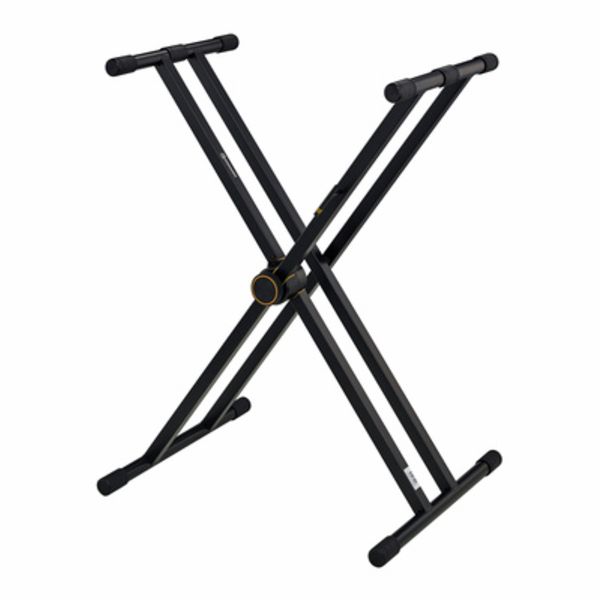
Roadworx
Keyboard Stand 2
The most obvious question is, of course: How many and which keyboards do you need to accommodate? Are you lugging around a heavy stage piano with hammer-action keys, or do you have several keyboards that need to be stacked on top of each other? Depending on how much weight the stand has to bear and how you’d like to arrange the instruments, the selection becomes much smaller.
The second question is very personal: do you want to sit or stand while playing? Some players prefer to sit on stage, just like at home at the piano. Others prefer to stand because they like to move around while playing. It’s also a question of style and appearance: as an accompanist for a choir, you’re more likely to sit, whereas a keyboard player in a pop group would likely stand.
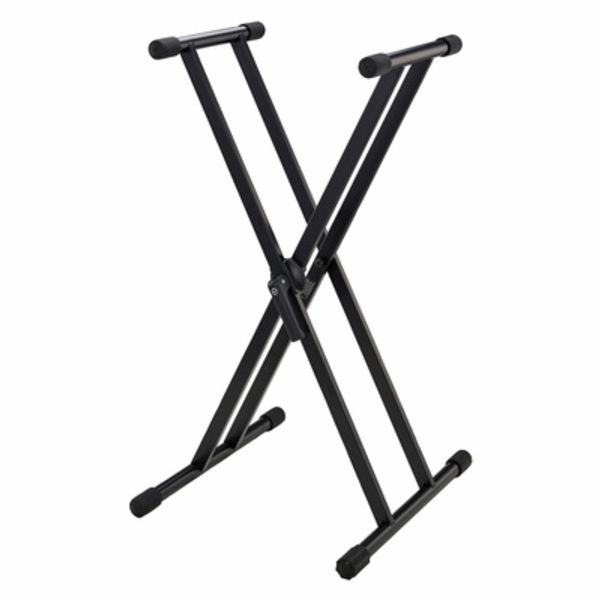
K&M
18990 Rick
Once you’ve answered these two questions for yourself, you still need to decide on one of the various designs of keyboard stands. Depending on your answers, some models may already be ruled out.
X-stands are probably the most common type of keyboard stand. While simple models are only suitable for lighter keyboards, sturdy, double-braced versions can also support heavy stage pianos. So be sure to pay attention to the maximum load capacity, although manufacturers tend to be a little generous with their specifications.

The biggest advantage of X-stands is that they’re very quick to set up and take down. After the gig, you can simply fold up the stand to clear the stage for the next act. Supports for a second and third tier are available for many models. But there are also disadvantages. Due to their design, the width of X-stands always depends on their height; very tall automatically means very narrow and vice versa. And when you sit down, you always risk bumping your knees against the X.
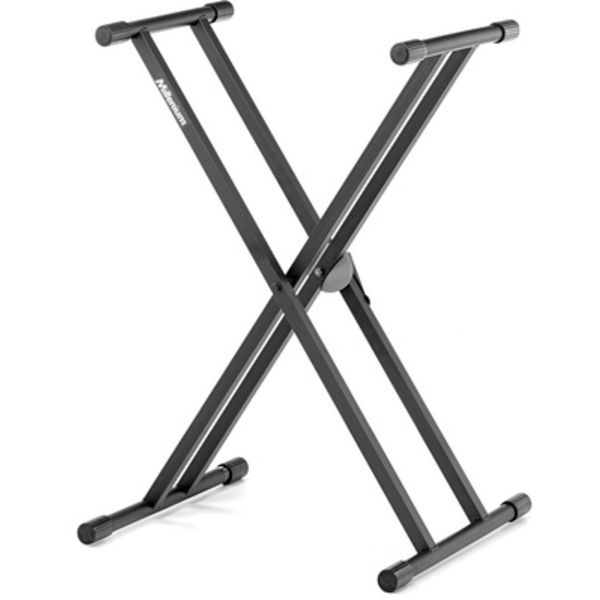
Millenium
KS-2010
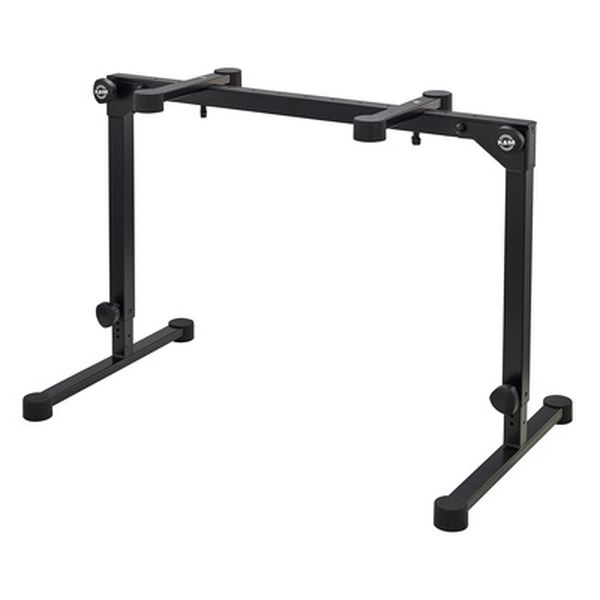
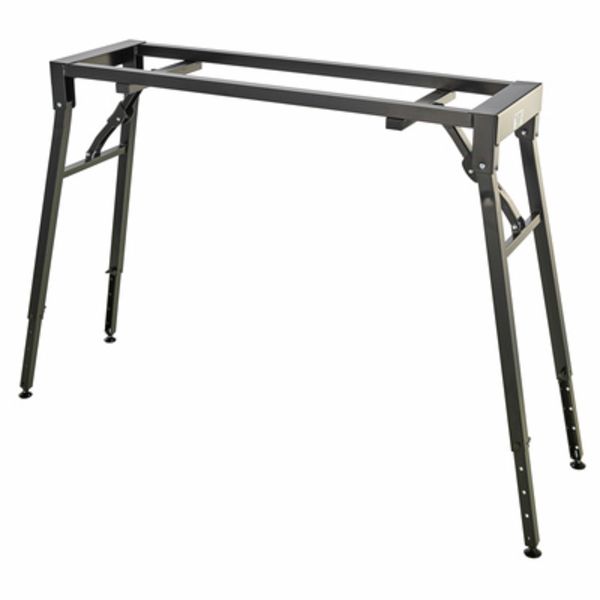
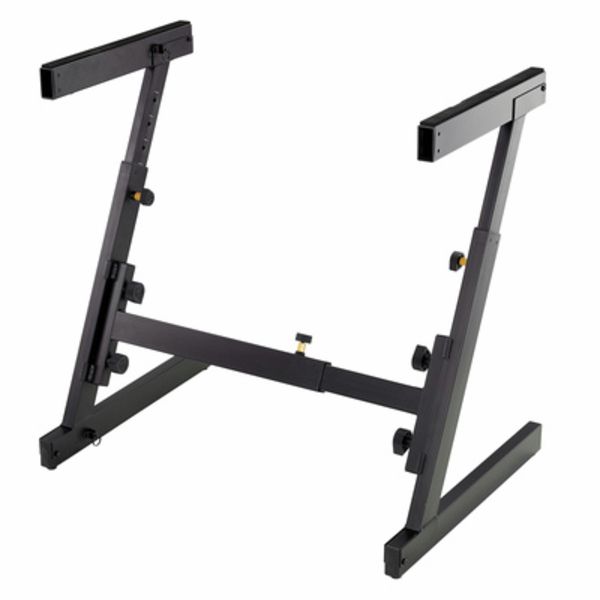
Keyboard tables are ideal for heavy instruments and seated keyboard players. Apart from their high load capacity, their biggest advantage is the unrestricted knee room. This design also provides maximum flexibility when it comes to the placement of pedals. Supports for additional tiers are also available for many keyboard tables.
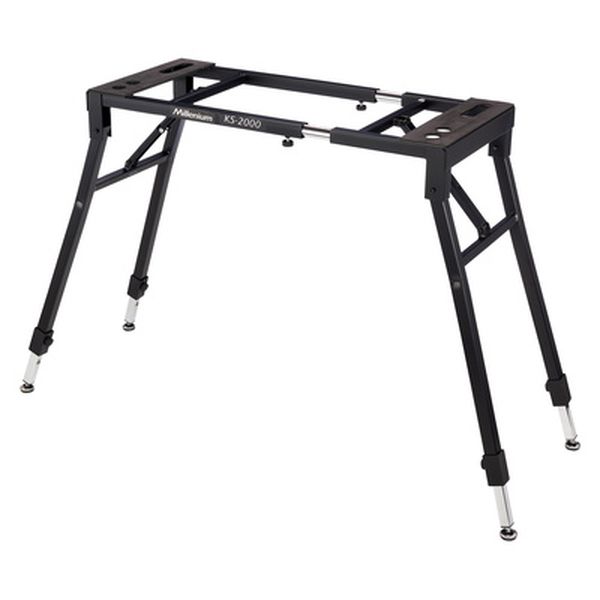
Millenium
KS-2000
The disadvantage: depending on the model, assembly and disassembly can take a little longer. Some keyboard tables can be easily folded up, while others must be dismantled completely for transport. Height adjustment can also take a bit longer, as the legs often have to be adjusted separately.
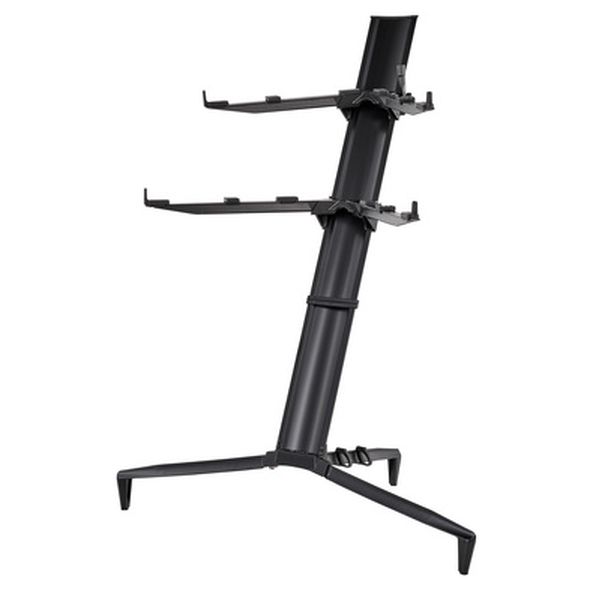
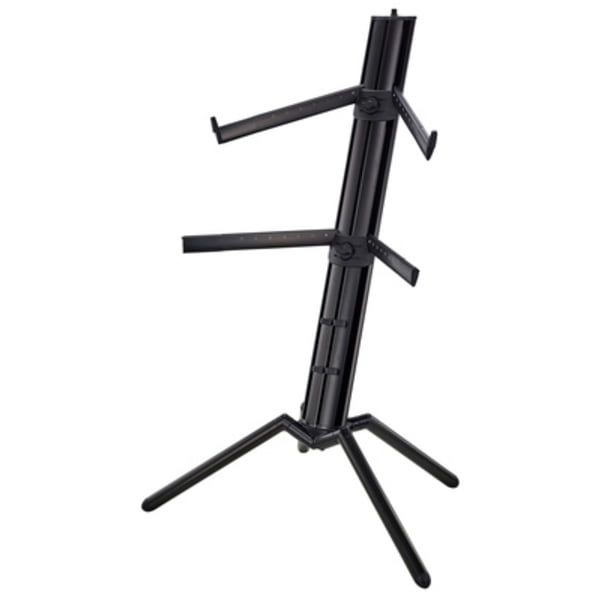
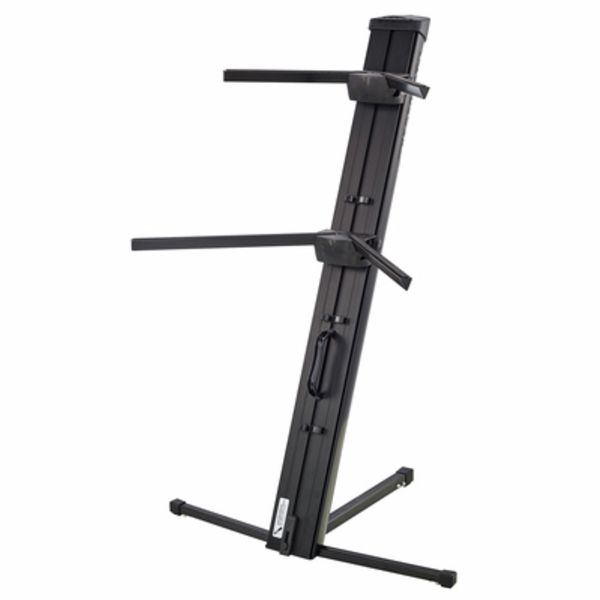
Column stands are real eye-catchers on stage and are most suitable for keyboard players who play standing up. Depending on the model, they can securely hold two or three keyboards without making you disappear behind a “wall of keys” on stage. Some models have foldable legs, while others let you store the legs inside the column for transport.
Stay
Keyboard Stand Tower Black
One disadvantage of some column stands is that they can get in the way of pedals. However, designs like the K&M Spider series and the stands from Stay solve this problem elegantly.
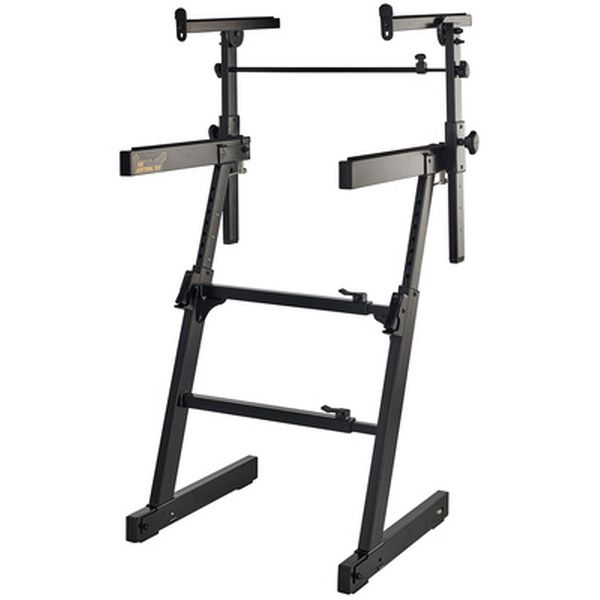
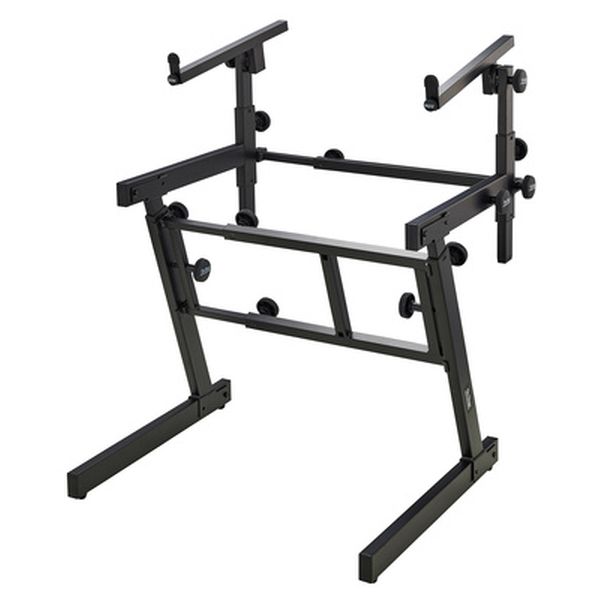
Z-stands offer similar advantages to keyboard tables, but look more dynamic and are also suitable for standing keyboard players.
Using keyboards live: It all comes down to the right cable
To connect your keyboards to the PA on stage, you should of course have the right cables on hand. The rule of thumb is: everything up to the DI box is your responsibility. From there on, the event organiser or PA rental company takes over.
For keyboardists, this usually means carrying enough good-quality jack cables in various lengths. And once you’ve had to frantically change a cable during a line check at a festival while the audience was waiting, you’ll remember to always have a few spare cables handy.
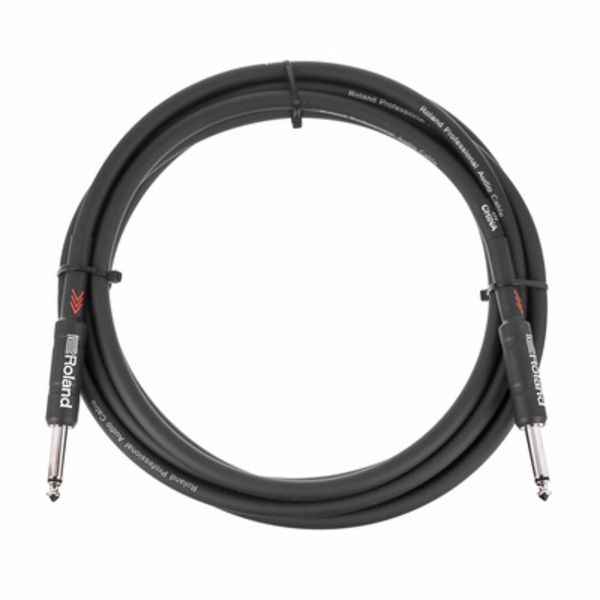
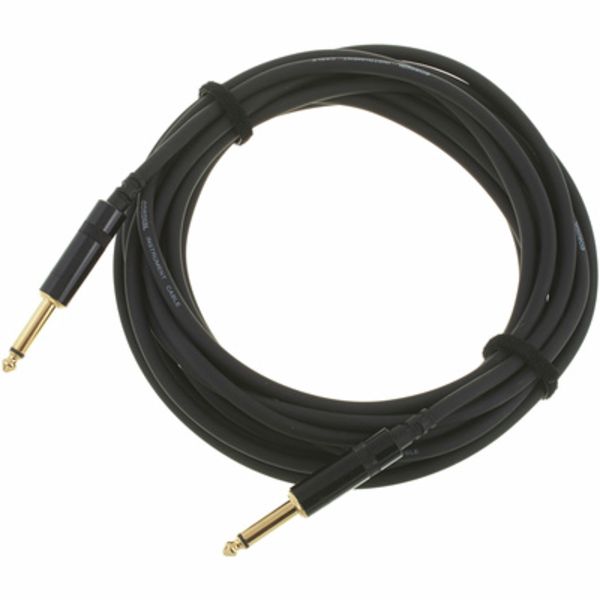
Since keyboards work with line level, the requirements aren’t quite as high as for guitar cables, which have to transmit very low levels without interference. Nevertheless, the same applies: a high-quality cable will reward you with a long service life and good sound quality.
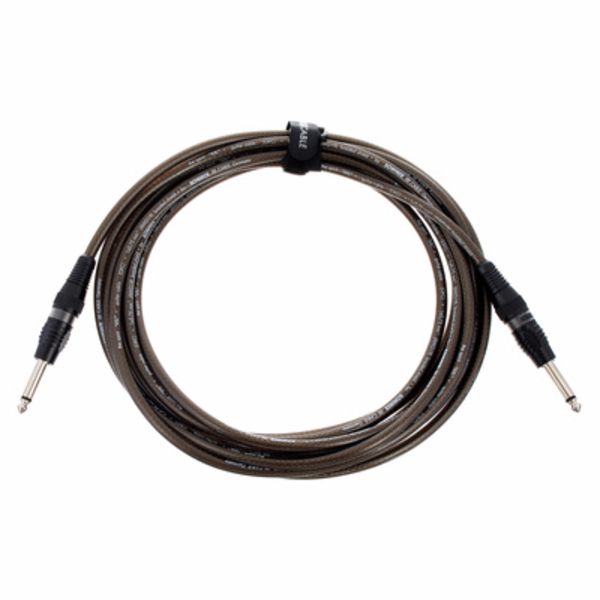
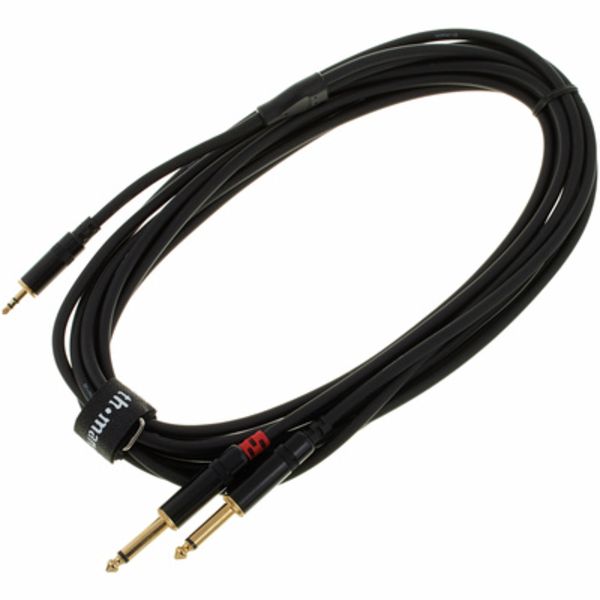
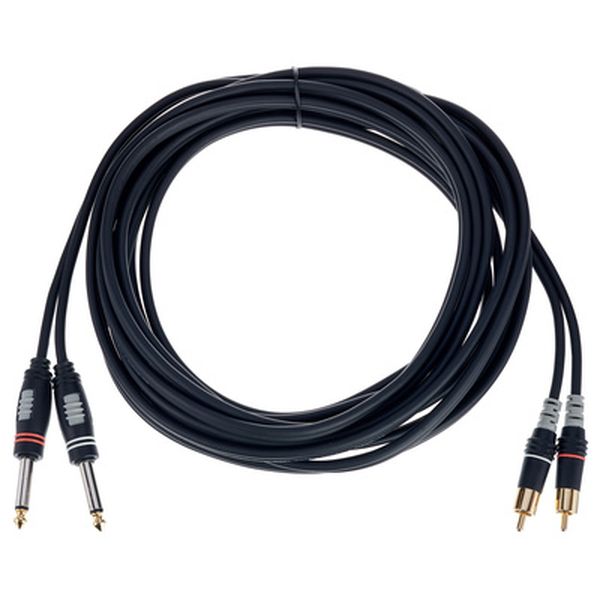
Since most keyboards have 1/4″ jack outputs, you can even borrow a guitar cable if necessary. However, it gets a bit more complicated if you have small synths, drum machines, grooveboxes, or mixers with mini jack or RCA outputs.
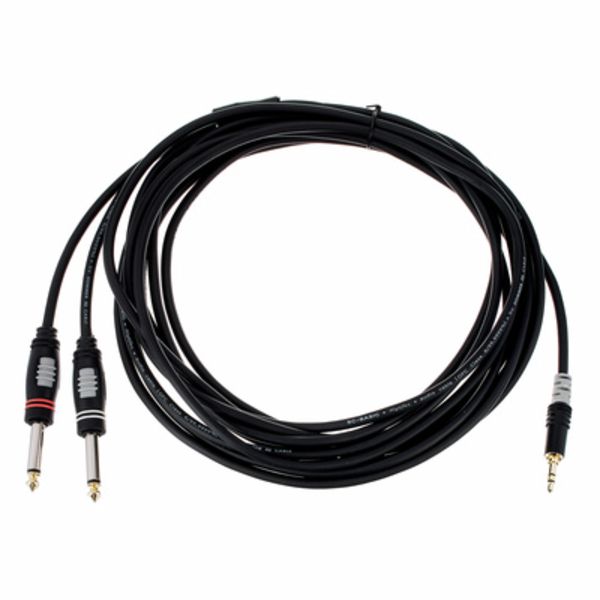
Sommer Cable
Basic HBA-3S62 6,0m
In this case, you should definitely have the appropriate adapter cables with you (including spares!). As a keyboard player, you’re usually expected to deliver all your signals on 1/4″ jacks.
Using keyboards live: DI boxes
If you’ve played live before, you may have seen the sound engineer connect your keyboard to a DI box. But what does this box actually do and why is it needed?
Simply speaking, a DI box converts the unbalanced signal from your keyboard into a balanced signal. The technical details would go beyond the scope of this article, but in short, a balanced connection helps prevent interference on the way to the mixing desk (which can be quite long at larger gigs). Some professional keyboards and stage pianos come with built-in balanced outputs. Nevertheless, it’s common practice to connect keyboards on stage via DI boxes.
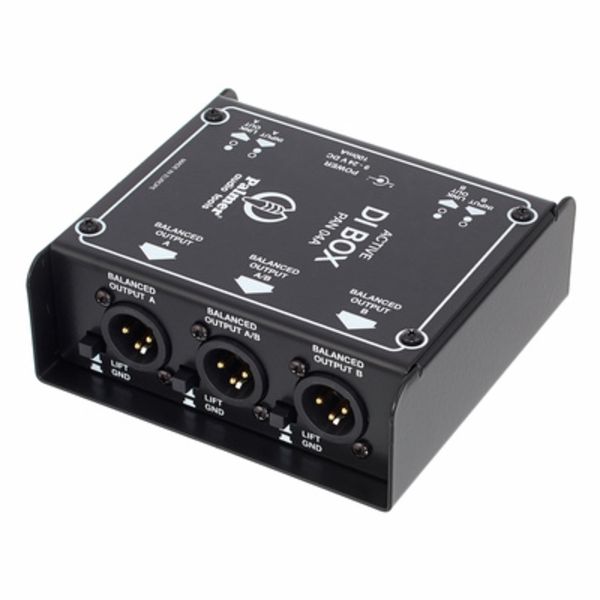
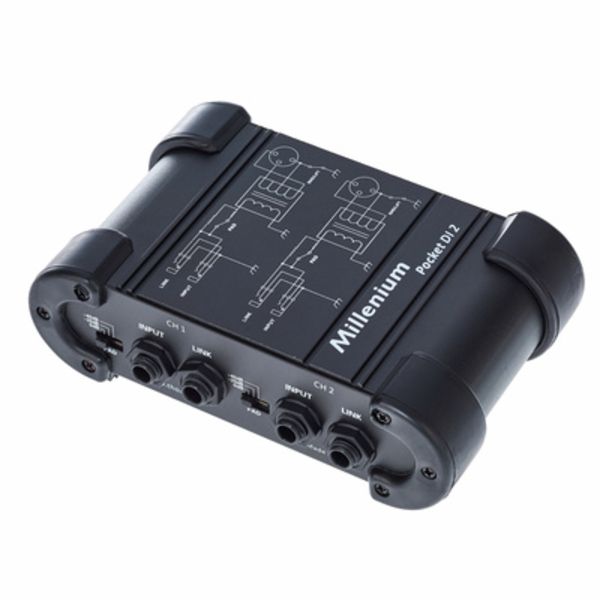
In most cases, the FOH engineer will have plenty of DI boxes on hand, and if your stage rider is up to date, they’ll be waiting for you when you come on stage for the sound check. Nevertheless, it can’t hurt to bring your own just to be on the safe side. Make sure that there are enough channels for all your outputs, e.g., 2 channels for a stereo keyboard.
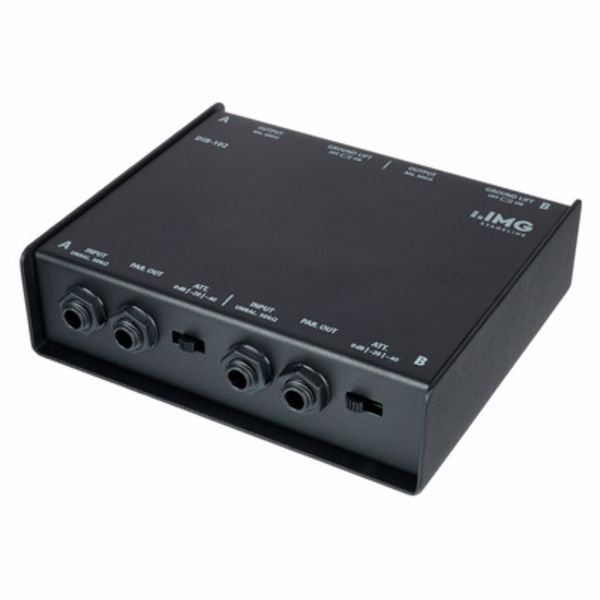
IMG Stageline
DIB-102
Using keyboards live: Equipment advice from Thomann
You see: As a keyboard player on stage, it’s not just about the music — technical preparation is just as important. You and your band will have to practice on your own, but when it comes to the gear, we’re happy to help.
If you still have questions, feel free to contact our specialists via the “Need help?” button you’ll find on every product page in our shop.
If you prefer to reach us by phone, you’ll find all contact details via this link. And of course, we’re always happy to welcome you to our Thomann shop in Treppendorf, where you can ask your questions in person.
And if you want to browse yourself: Here you can find all our keyboards in the Thomann Shop.

Using keyboards live: your tips
Have you ever performed live on stage as a keyboard player? What accessories do you carry in your keyboard case? Let us know in a comment!









Comments 0
No comments yet.