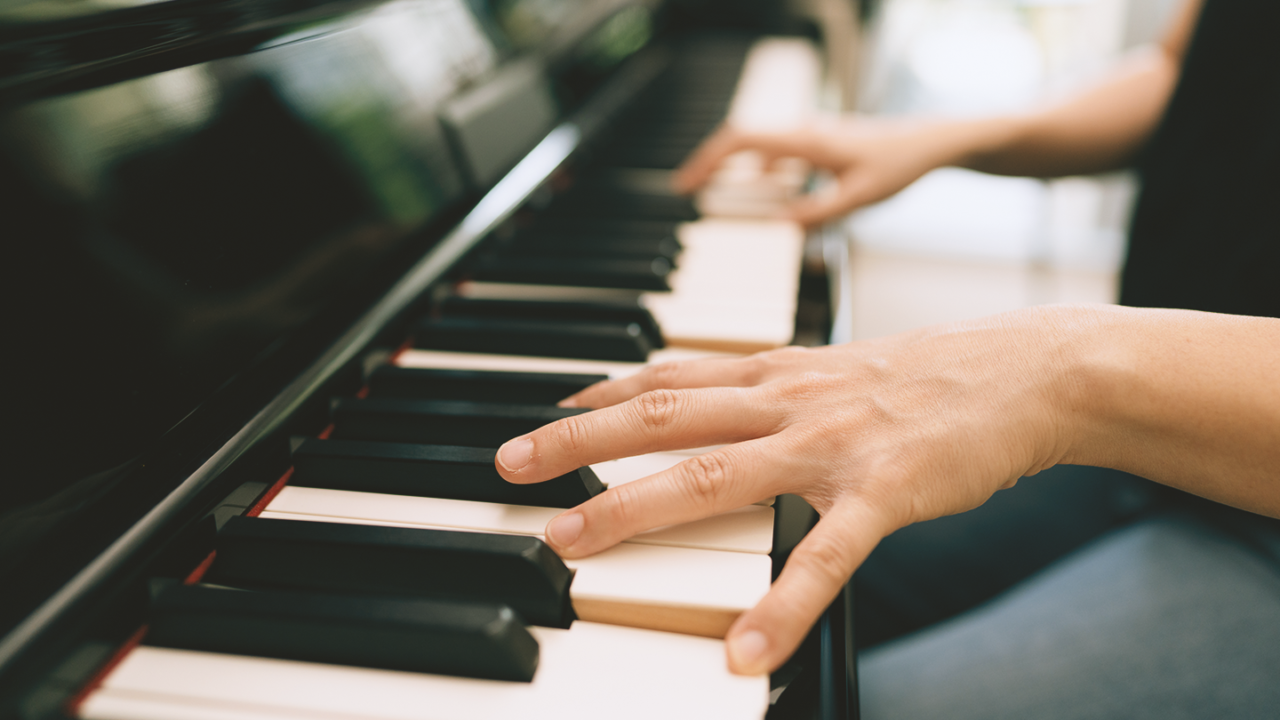

Adults who are toying with the idea of learning a musical instrument – particularly the piano – often find themselves plagued by doubts. There’s that dreaded ‘inner voice’ that keeps inventing reasons why it’s a lost cause: started too late, never learned to read music, always struggled in music lessons, no time, no talent… Does that sound familiar?
For many, playing the piano is still something you either begin as a child or never learn. Add to that thoughts of dry theory, expensive lessons, or the long road to initial success, and what is actually such a lovely aspiration is often quickly nipped in the bud.
But it doesn’t have to be that way! 🎹
In fact, the piano makes the first steps easier than many other instruments – even as an adult. This is not only because of how the instrument is played, but also because of the variety of learning options available. Like many other things that used to be tedious or expensive, piano lessons are now easy to integrate into your daily routine – even if you already feel like you’re rushing from one appointment to the next.
Learning the piano has never been easier
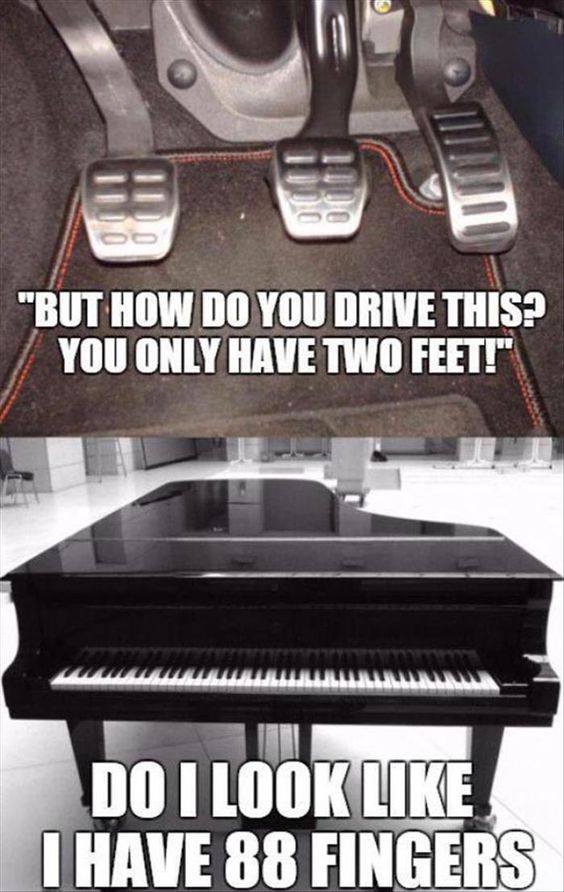
In the past, if you wanted to learn the piano, you either needed an acoustic instrument – and, of course, the space and budget for it – or had to make do with a flimsy plastic keyboard. There was little in between. Unless you already had a piano, the obstacles you had to overcome to start playing were therefore quite high.
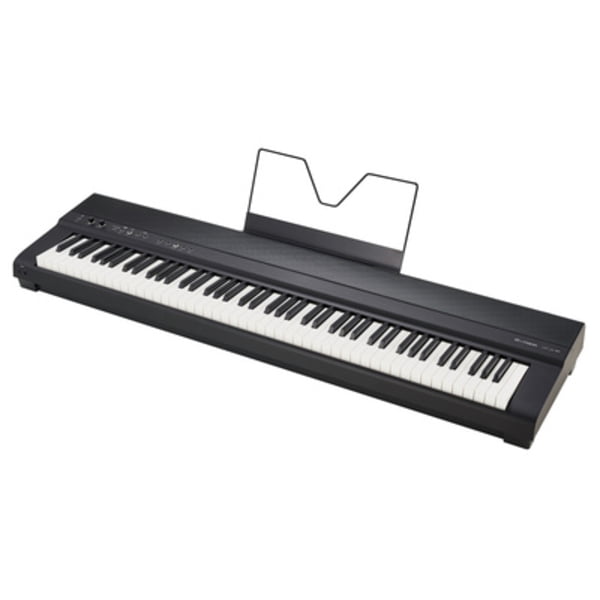
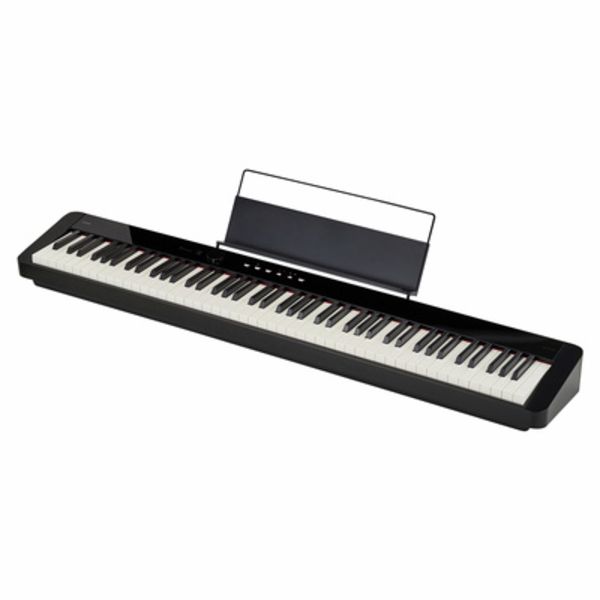
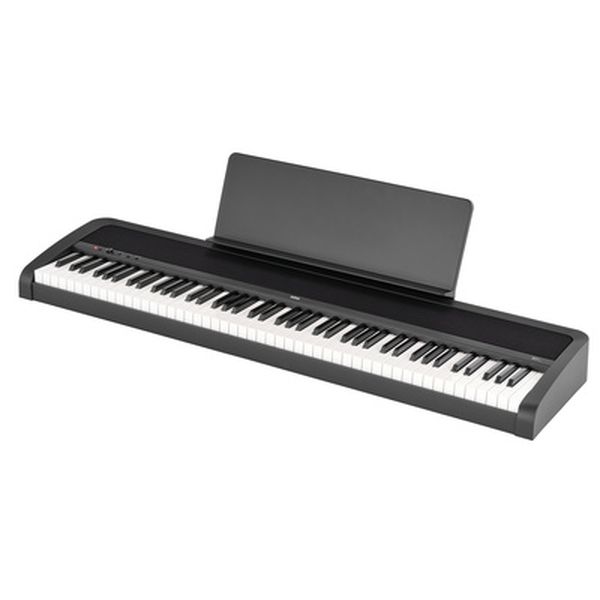
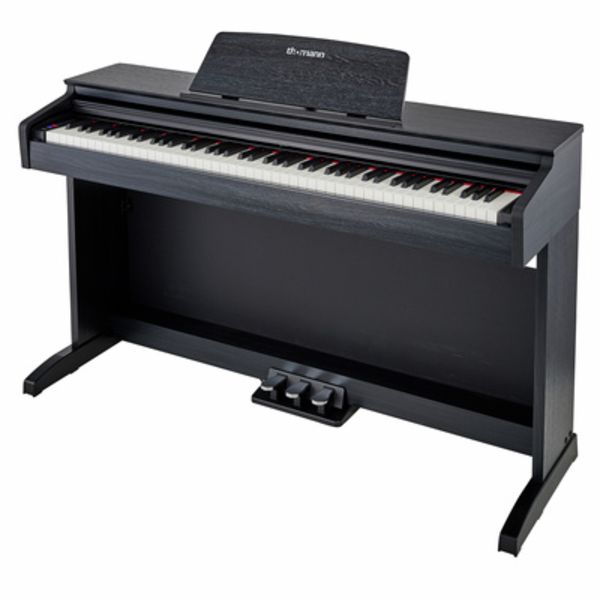
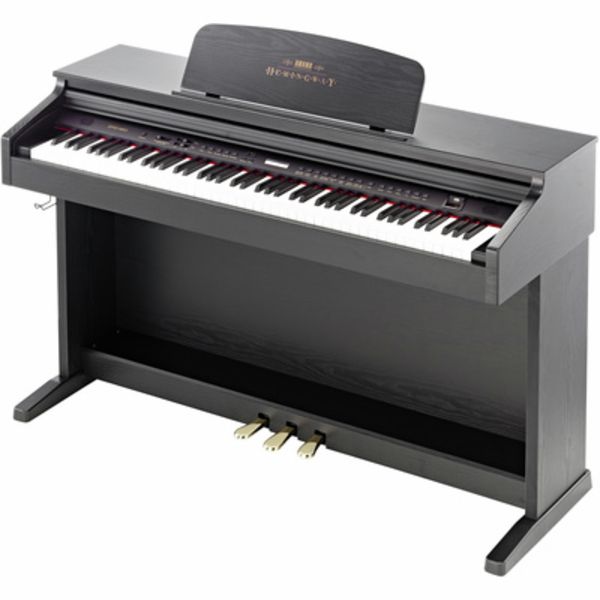
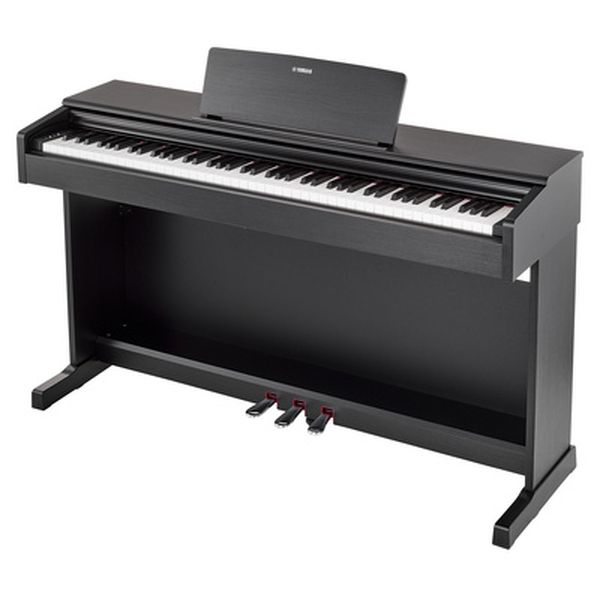
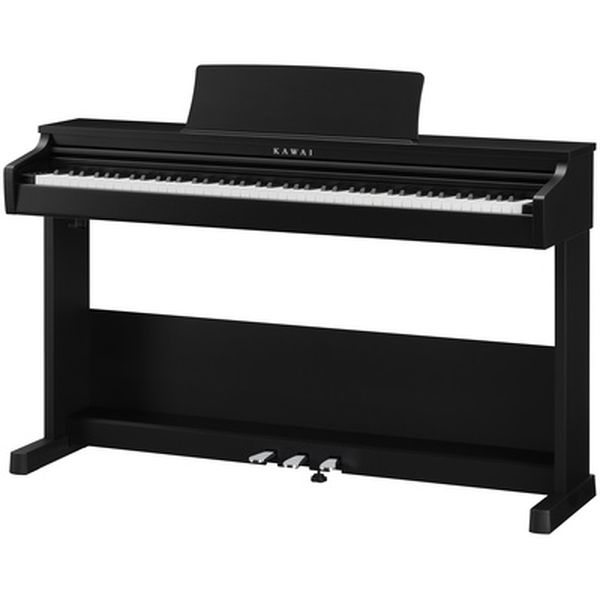
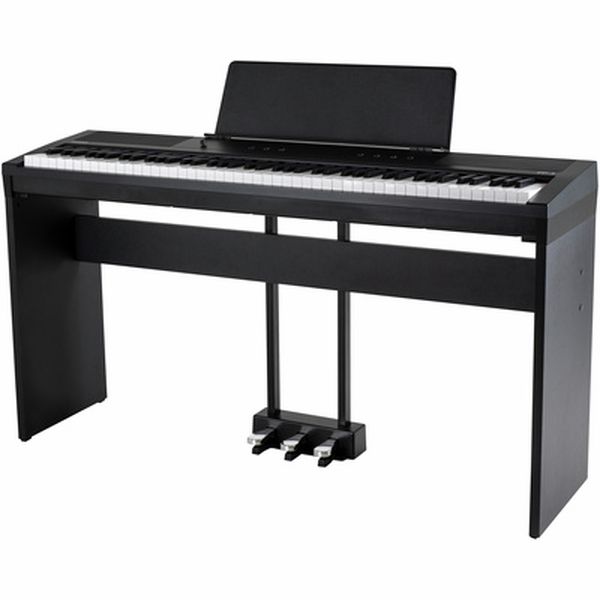
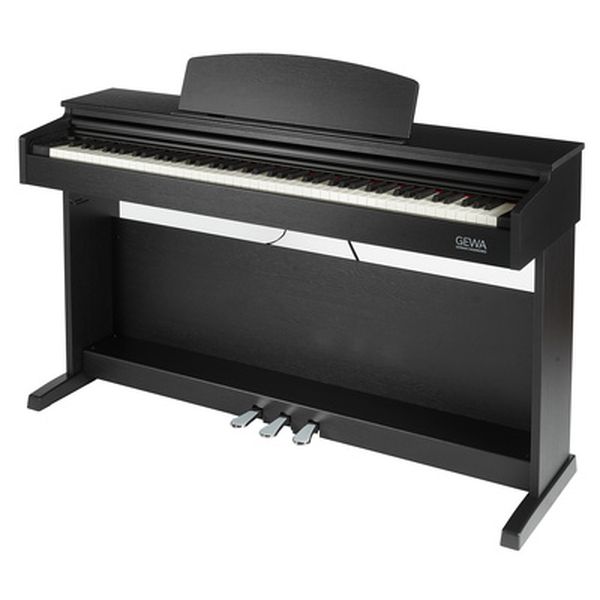
Fortunately, things are very different today. Modern digital pianos offer a realistic playing experience and a sound that comes very close to that of an acoustic instrument – at a fraction of the price. Not to mention many other advantages. Perhaps the most important one: a digital piano can be played silently over headphones, so you can practise without your neighbours or flatmates eavesdropping on your first tentative attempts. Depending on the model, other practical features include a built-in metronome, a recording function, and the option to connect to learning apps.
You also have complete freedom when it comes to choosing the type of lessons. Simply choose the option that best suits your daily routine:
- Traditional lessons (music school or private teacher): If you prefer to learn face-to-face, traditional piano lessons are still the way to go. An experienced teacher will demonstrate the correct technique directly on the instrument, spot mistakes straight away, and give you personalised feedback. This method is ideal for children or anyone who needs a fixed schedule to stay on track.
- Flexible learning (online courses): Instead of fixed weekly lessons that require you to travel to a specific place at a specific time, you can now also learn to play the piano using structured online courses – anytime, anywhere, and tailored to your own pace. This makes getting started much easier, especially for working people, parents, or those with varying daily routines.
And last but not least, teaching methods have also changed. Unlike in the past, when lessons often began with tedious finger exercises and lots of dry theory, many modern piano courses focus on quick results, a playful introduction to the instrument, and your own musical curiosity. This applies to lessons with a piano teacher and online courses alike.
No prior experience? No problem.
It’s particularly true for adults: as soon as you ponder the idea of learning to play the piano, a voice in your head immediately claims it makes no sense – often based on the notion that you’re ‘not musical enough’. Yet prior musical knowledge isn’t a prerequisite. Quite the contrary: many adults start from scratch. And if you take a conscious decision to embark on this journey, you’ll have the best chance of long-term success.
These days, the first lessons are usually less about theory or fingering and more about simple, physical, and sensory experiences and quick results: Where are the notes? How do they sound? What happens when I play two keys at the same time? When does something sound ‘right’?
The goal is not perfection, but familiarity. And every practice session brings you closer to this goal – often after just a few days. A chord that you suddenly recognise. A familiar melody that suddenly comes together. Two-handed playing that feels awkward at first, but then begins to flow. Bit by bit, you build a connection with the instrument and achieve more and more – an incredibly beautiful experience.
You can find an example of just how relaxed those first steps can be in practice – from setting up the piano and adopting the correct posture right through to those first moments of success – at Music2me.
Learning without pressure and at your own pace
One of the biggest advantages of learning to play piano as an adult is that there are no set rules or deadlines. You’re not learning because it’s expected of you, but for yourself. This means that you can approach it completely without pressure. And it goes without saying: when you learn something because you want to, not because you have to, the success is much more lasting.
By the way, you don’t need to practise for hours every day to make progress. Even if all you can manage is 10 to 20 minutes regularly – perhaps after work or at the weekend – you’ll soon notice that things stick in your mind, movements come more easily, and your ear improves – meaning you’ll suddenly hear details in the sound and in your playing that you hadn’t noticed before.
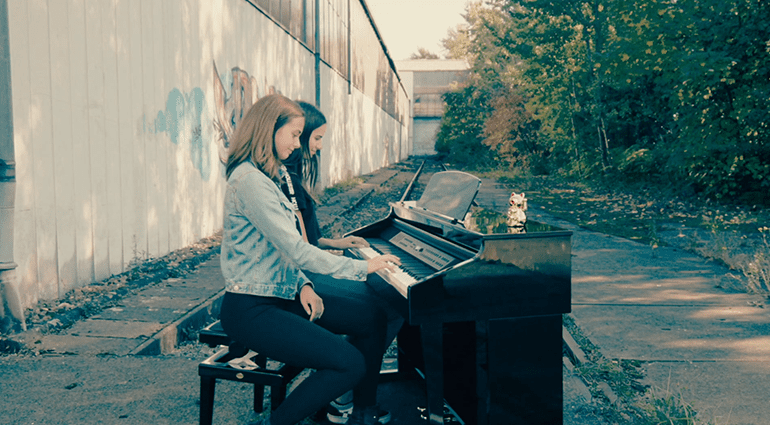
Digital learning platforms make it particularly easy to fit practice into your daily routine. Whenever it suits you, you can pick up exactly where you left off. Depending on how things are going, you can repeat sections or isolate difficult parts to practise them at a slower pace – without having to prove anything to anyone. This freedom not only makes learning more enjoyable, but often more effective too – especially for adults.
Here you can find the beginner’s guide from Music2me.
Lessons with a piano teacher to perfect your piano playing
That said, most successful pianists did eventually take one-to-one lessons for a while in their piano-learning journey. A teacher’s wealth of experience is worth its weight in gold, and very few manage to become star pianists entirely without outside help.
By giving you the right guidance and sparking your interest in new pieces, techniques, or styles, a good teacher can broaden your horizons and specifically nurture your playing and creativity. If you want to take your piano playing to the next level, you’ll be at a real advantage if you take lessons with a good teacher – especially if you’ve already gained some initial experience. They will also correct your posture, which is important when learning a (new) instrument.
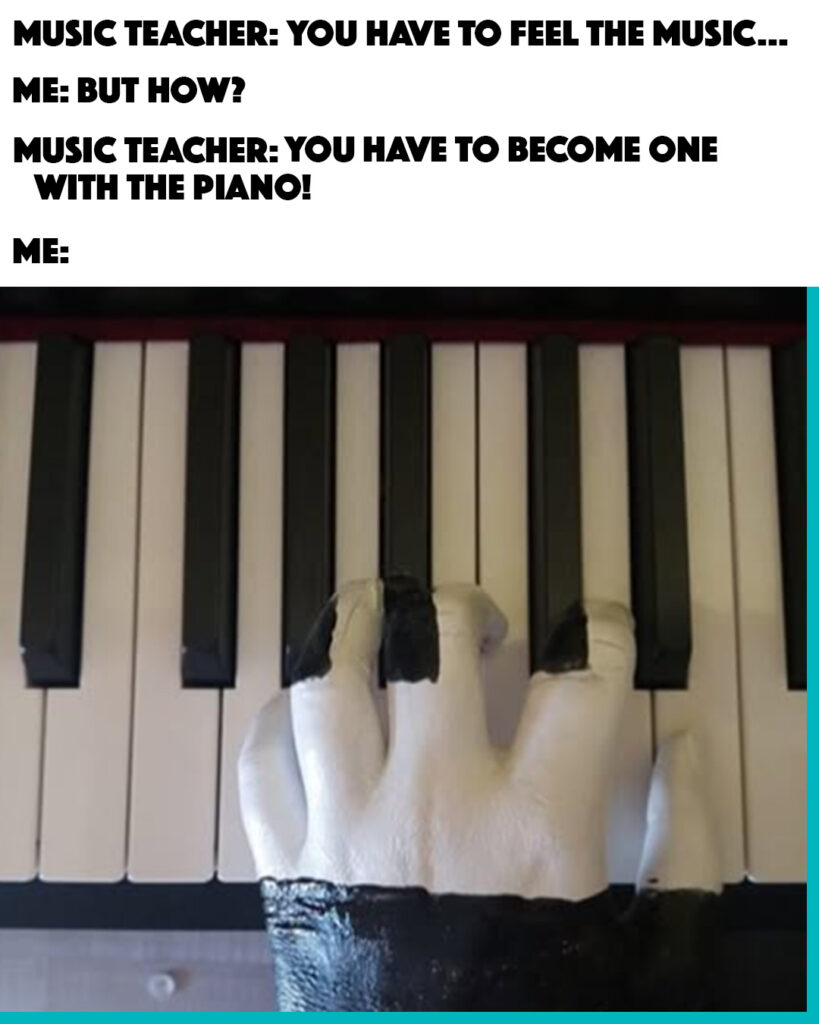
The first step is often the hardest
What many people underestimate is that it is not the instrument or the technique that poses the greatest challenge, but your own mindset. And this is particularly true for adults who want to learn to play the piano. While children approach new tasks and experiences with complete openness, as we get older, we tend to harbour self-doubts: too old, not musical enough, too late to start. These are often the real obstacles – yet they are usually completely unfounded.
If you do give it a go, you’ll soon realise: learning to play the piano has never been easier, and the barriers have never been lower. What used to seem like a huge deal – buying an expensive instrument, taking costly piano lessons, committing to something – you can now tackle at your own pace and in a relaxed atmosphere.
And before long you’ll discover: the first piece you manage to play is more than just music to your ears – it’s a small personal victory.
You can play whatever you like
Speaking of pieces: when it comes to choosing your repertoire, anything goes! Perhaps you think that learning to play the piano automatically means spending hours on end with Bach, Schumann, or Mozart – music that might not mean anything to you and plays no part in your everyday life. And yes, in the past, piano lessons usually meant classical piano lessons. But it doesn’t have to be that way.
If you play pieces you enjoy – for example, your favourite songs, songs that hold a special meaning for you, or tracks from your favourite film – your motivation will be all the greater. A good teacher will take your musical preferences into account and work with you to select pieces that suit you. The same goes for online courses, which are no longer limited to the classical repertoire but offer a wide range of options.
Nevertheless, it can of course be a great thing to broaden your horizons and try out styles you haven’t had any experience with before. Being open to new things has never done any harm – and it can be a very enriching experience.
No walk in the park, but not rocket science either
Learning to play the piano is no walk in the park. But it’s not rocket science either. It takes time, curiosity, and, yes, a bit of patience. What isn’t strictly necessary, however, is prior experience, perfect pitch, or strict discipline.
The key point: it’s absolutely doable. And that goes for you, too! With the right instrument, the right learning method, and realistic expectations, learning to play the piano isn’t an insurmountable challenge, but an invitation to enrich your life with an incredibly beautiful facet.
Acoustic pianos / digital pianos for beginners & advice
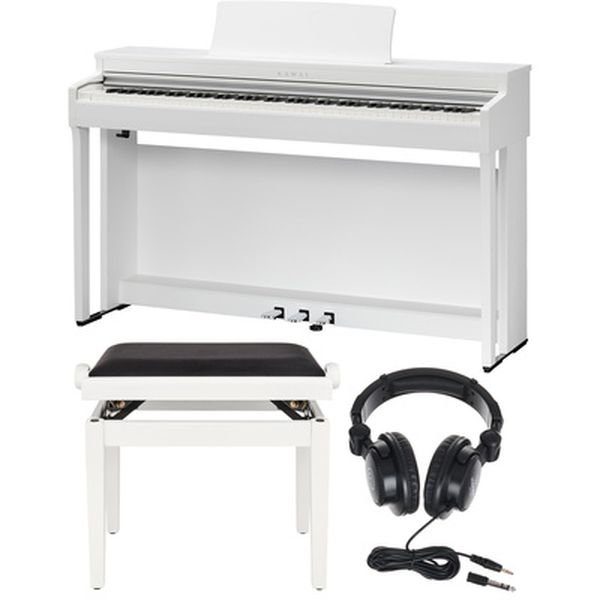
So why not just get started? You’ll find suitable beginner pianos at Thomann.
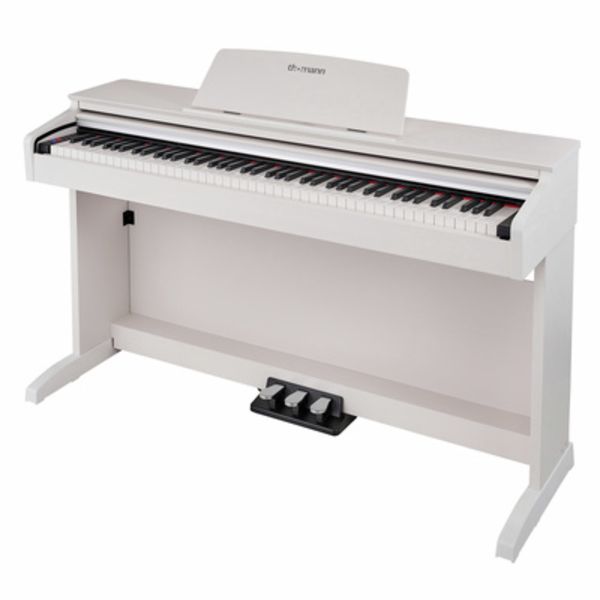
Digital pianos (E-Pianos)
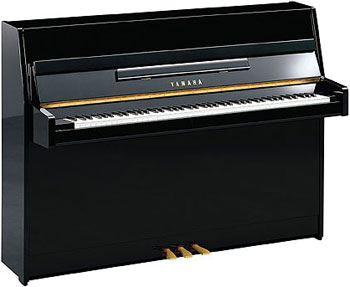
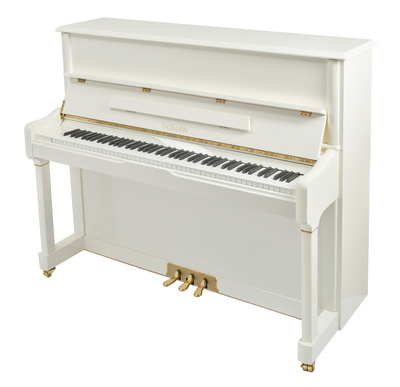
Acoustic pianos
Free advice at Thomann
If you have any questions or need advice, feel free to contact us – that’s what we’re here for. We’ll advise you with no obligation. Your contact for digital pianos and acoustic pianos is the:
Klaviergalerie
klaviere@thomann.de
Tel: 09546-9223-34
Some famous pianists managed it without a teacher. But there are certainly countless others whose musical career was denied because they didn’t receive lessons.
What would have happened if they had all had access to a high-quality online piano school? The list of pianists who taught themselves would surely be much longer today.
Learning the piano: your feedback
What experiences have you had learning the piano? With a teacher or self-taught? We look forward to your comments! ✍







Comments 0
No comments yet.