











Singing in a choir makes you happy. Your serotonin, dopamine, endorphins, and adrenaline levels go through the roof. The stress hormone cortisol is broken down. And after just 30 minutes, the ‘cuddle hormone’ oxytocin kicks in.
The heartbeats of the singers synchronize. Singing strengthens the circulatory system, boosts the immune system, and makes you healthy. It also bolsters the sense of community and helps us live longer.

Directing a choir and singing in a choir: a few general points to consider before you start
Before you join a choir or start as a choir director, ask yourself what you want your choir to achieve:
- Do you plan to strive for musical perfection with a high-level choir or are you purely interested in having fun and singing together? What’s the perfect balance between these two extremes for you?
- Don’t be afraid to be different and create or join a choir with a very unique style.
- How important is the performance factor? Is the focus solely on the music, or do you value movement and perhaps even choreography?
- Both sides should be having fun – the singers and the director! Hard, focused rehearsal work and a relaxed atmosphere don’t have to be mutual exclusives. Both sides contribute to the success of a choir rehearsal.
- A choir is like an oversized band comprised of lots of individuals who each have specific needs and abilities. Making it work requires a lot of composure and empathy.
- The better the choir succeeds in becoming a single organism that sings, vibrates and performs in unison, the greater its impact on the audience. One for all, all for one.
One of the most famous (fictional) choirs worldwide is probably the nuns’ choir from the 1992 film Sister Act starring Whoopi Goldberg. The choir delights with energetic performances and has left a lasting mark on the image of gospel music in pop culture:
Tips for singing in a choir
- Be on time. It’s best to arrive 15 minutes before rehearsal so you can settle in and switch from your hectic everyday life to rehearsal mode.
- Bring your sheet music with you. Keep it in a folder with tabs so that you can find the songs immediately, either in alphabetical order or by relevance. Nothing is more annoying than endlessly searching for sheet music before a new song can be rehearsed.
- Dare to sing from memory. Don’t cling to the sheet music. Memorize your lyrics at home. Don’t be afraid to make mistakes. Each voice in the choir is sung by several people, so someone will always continue to sing if you have a memory lapse. And this is the only way to find out which parts you’re not quite ready for yet.
- Practice your parts and voices at home. Even a choir that is meant to be purely for fun works better if you know the songs. Ask your choir director for recordings of the individual voices.
- Be committed. Cancel rehearsals in good time if you are unable to attend. Take rehearsals seriously. It matters whether you are there or not. Even though a choir consists of many people, every individual is important.
- Don’t let mishaps unsettle you. Mistakes happen.

Tips for directing a choir
Arrival
- Arrive a little early and use the 15 minutes before the rehearsal begins as a settling-in period. You may also want to check the energy level of the choir before getting started. Ask each member what their energy level is on a scale from 1 to 10 and have them describe in one sentence how they are feeling today.
Warm-up
- Think of the warm-up not only as a vocal exercise, but also as a team building routine to help a group of individuals become a singular organism.
- In addition to classic vocal exercises, the warm-up can also consist of a couple of short exercises to synchronize both sides of the brain. It can also include rhythmic exercises and groove training.
- Start by singing one or two well-known songs that the choir already knows well.

Rehearsal ideas
- Ensure a varied rehearsal routine.
- For example, set different priorities while rehearsing a song, such as rhythmic precision, dynamics, intonation, singing from memory, listening to the other voices while singing, or many other things.
- Be creative. Have the choir sing in the dark or with their eyes closed. Have them walk around while singing.
- Go through the lyrics of new songs as follows: read the lyrics line by line and translate them if they are in another language so that everyone understands the meaning. Speak the lyrics, part by part, in the rhythm of the song, perhaps even while tapping a quarter note groove with your feet. Singing is groove that needs to be anchored in the body. This is especially important for amateurs.
- Have each choir member learn an alternative part in addition to their own. This pays off in case of absences and increases the level of musicianship within the choir. To do this, try running through songs during rehearsals with the voices switching around.
- Don’t always assign solo parts to the best singers or by audition only. Ask each choir member if they would like to sing solo parts and give them a chance, or divide vocal solos among several singers. This creates more vocal variety, prevents a hierarchy within the choir, and boosts the singers’ self-confidence.
- Practice the beginning of a song with your choir: the moment before it starts. Everyone looks at the choir director, takes in the moment of silence and concentrates before the beginning of the song is signalled.
- Pay attention to the mood of your choir on rehearsal day. On some days, it just isn’t happening. In that case, it might be better to let your choir sing familiar songs and have fun than to stick with your rehearsal plan. You could also end the rehearsal early and go for a drink with everyone.
Materials and organisation
- Provide backing tracks and recordings of the individual parts for each song.
- Always have a few spare copies of the sheet music for each song.
- At the end of the rehearsal, announce which songs will be covered the following week so that your choir can prepare.
- Create a digital archive, such as a Dropbox folder, that the members of the choir can access to download the sheet music, parts, and original recording for each song.
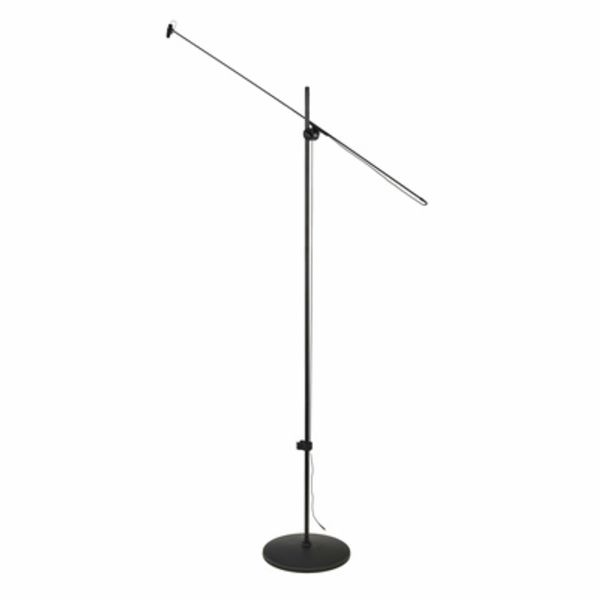
Equipment for choirs at Thomann
Here’s some useful gear for choirs. Feel free to browse thomann.de yourself.
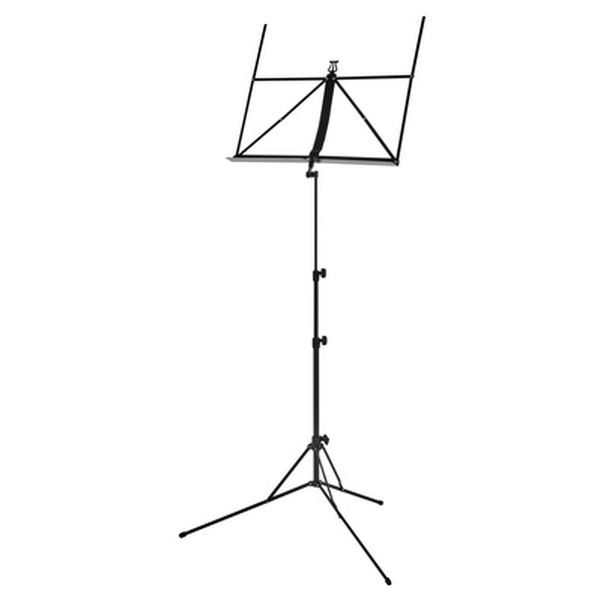
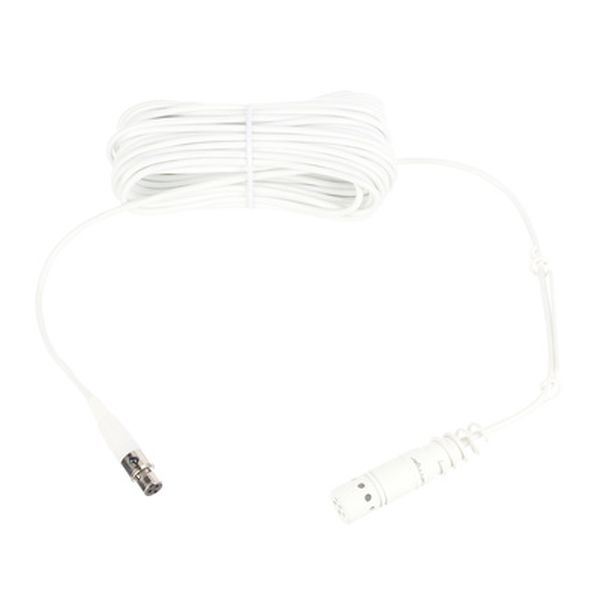


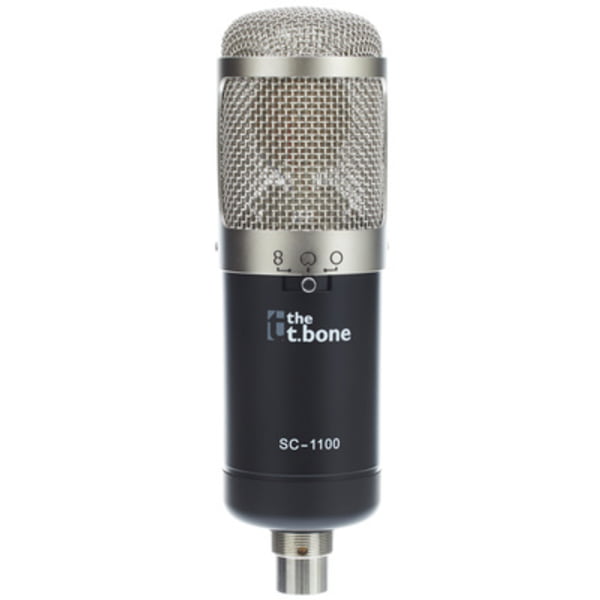
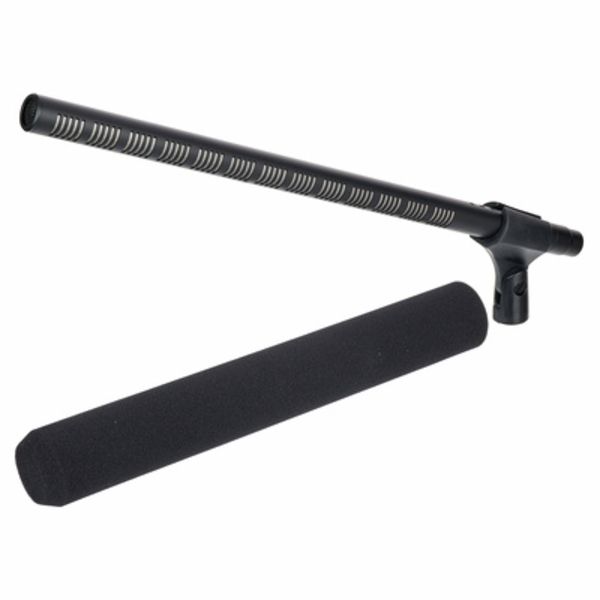
Repertoire selection
- Don’t choose pieces that are too difficult. Consider the vocal range and level of your choir.
- If you are unable to arrange the music yourself, there are excellent websites offering choral music across all genres for various ensembles.
- Expect to have significantly more women than men or low voices in your choir.
- Include a few effective, easy-to-sing songs in your repertoire. These can be moments of success and relaxation between difficult songs, allowing your choir to really shine during performances.
And there’s more
- Be sensitive and empathetic. Have patience and even more patience. Develop a thick skin. Be creative and a little bit crazy.
- Don’t be afraid of learning by doing. Every choir works differently. Visit other choirs and exchange ideas with other choir directors to learn new things. It’s worth questioning your own teaching methods from time to time to expand your repertoire of methods.
- If you’re not that good at guitar or piano, get someone else to accompany you. This will take the pressure off you and allow you to concentrate on your choir.
- Set up feedback sessions from time to time so that there is space to talk about the needs and problems of the choir members. This allows for finding solutions together and makes the individual choir members feel seen.
- Set goals for the choir, preferably together with the members.
- Get help from choir members to organise rehearsals and performances. You don’t have to do it all by yourself.

Well-known choirs around the world
Here are a few examples of great contemporary choirs that demonstrate how much fun it can be to sing together.
Urban Voices Collective
Founded in London in 2006, Urban Voices Collective is an international artist agency that specialises in unique, immersive vocal experiences and performances for brands in fashion, sport and music. Karl Willett, founder and creative director of the choir, leads the team, which has been making a name for itself with events, TV appearances, tours and large choir musicals for over a decade.
Feature Kollektiv München
Feature Kollektiv München became famous for its interpretation of Bosse’s hit “Schönste Zeit”.
Hamburger Goldkehlchen
The motto of the Hamburger Goldkehlchen choir is: “70 men, one choir – and none of them can sing”. The choir is known for its funny, quirky, emotional performances and now performs in venues such as the Barclays Arena (15,000 people) in Hamburg. Founded 10 years ago, the choir embraces a sense of community and the joy of singing. In true Hamburg St. Pauli style, they’re also involved in social projects.
Scala & Kolacny Brothers
Founded in 1996 by brothers Stijn and Steven Kolacny, Scala & Kolacny Brothers is a Belgian female choir that consists of 60 or more girls and young women aged 14 to 24. The choir is internationally renowned for its a cappella interpretations of rock, pop and metal songs, collaborates with well-known artists and has been featured in films and series such as “Sex Education”.
Directing a choir and singing in a choir: Feedback
Do you sing in a choir yourself or are you a choir director? Do you have any tips or stories to share? What experiences have you had? Feel free to share them with us in the comments!
This article is an adaptation of a piece originally written by Catharina Boutari, who is credited as the author of the original German t.blog article.















Comments 0
No comments yet.