
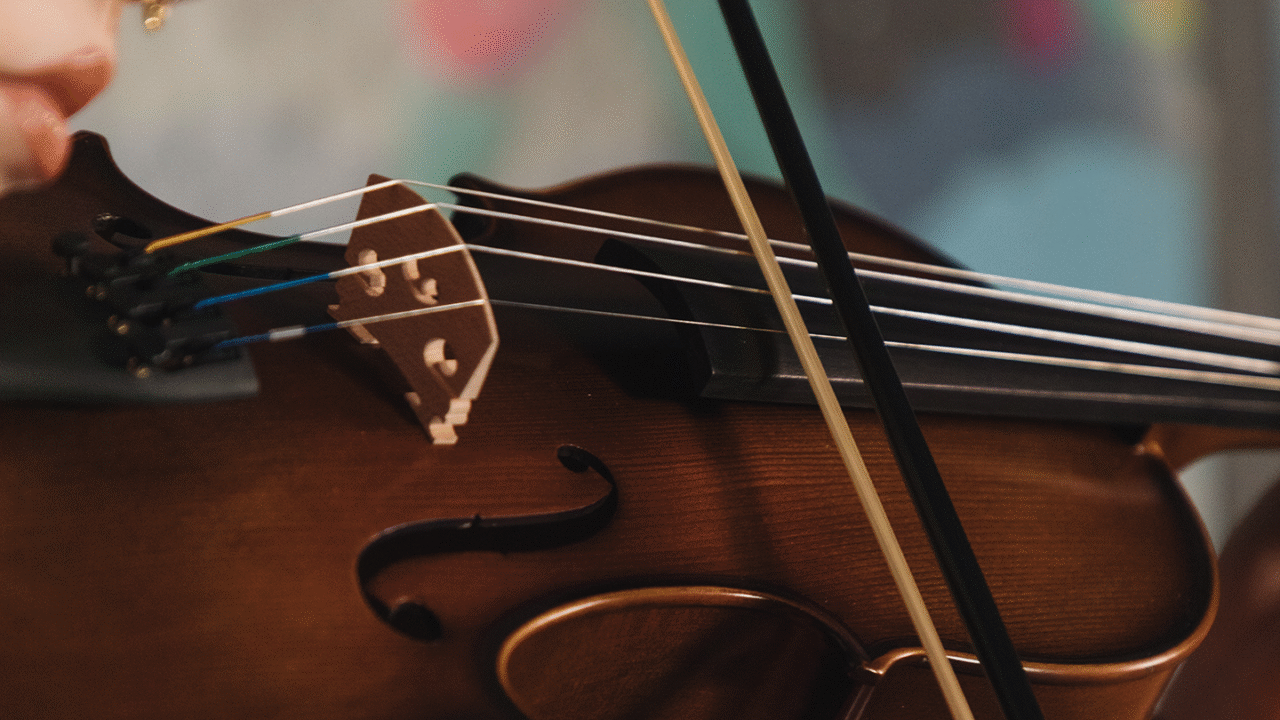

The violin and viola are very similar. Both belong to the string instrument family, are held under the chin, and are played with a bow. Two musical sisters who could not sound more emotional and charming. Nevertheless, there are fundamental differences between the violin and viola that give each instrument its own unique character.
From highly emotional to impulsive
All differences between the violin and viola aside, they both share an immense musical expressiveness that has made them indispensable in orchestras, small ensembles, and as solo instruments. Due to its larger size, the viola sounds lower than the violin. While the violin is a soprano instrument, the viola is an alto instrument. The sound of a viola is often described as deep, soft, and highly emotional. The violin, on the other hand, is the highest-pitched member of the string family. Its impulsive sound soars above all other instruments, making it ideal for leading the melody.
Viola and violin – individual tasks
As closely related as the two instruments are, they each have a distinct character, are used differently, and are very rarely assigned the same tasks in an ensemble. The viola’s main domain is chamber music. In orchestras, it plays an important role as a tonal link between the violin and the cello, acting as a kind of glue. When it plays melodies, they also usually serve as a connection between the higher violins, the lower cellos, and the double basses. In orchestral arrangements in particular, the high-pitched violin tends to take centre stage. Of course, it also blends into the overall sound – whether as a full section or as a soloist. However, acting as ‘tonal glue’ isn’t the violin’s primary task. Instead, it leads the way, soaring above the rest of the ensemble.
The origin of today’s viola: viola da braccio
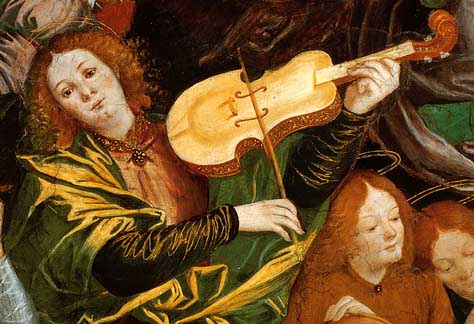
Before we get to the differences between the violin – also colloquially referred to as fiddle – and viola, we need to look at two different kinds of violas. Let’s get this out of the way before the differences between violin and viola blow up in our faces. The term “viola” is derived from the Italian “viola da braccio”, which means “arm violin”. This instrument is held under the chin like a violin and is the current standard when we talk about the viola.
The “other” viola is the “viola da gamba” or “viol”, which in turn is known as the knee violin, leg violin, or lap violin and – you guessed it – is played completely differently. The viola da gamba also has more strings, is tuned differently, and is quite difficult to play. Rarely used nowadays, the viol is a historic instrument that we don’t really need to concern ourselves with when comparing the differences between modern violins and violas.

© Wikipedia
Little sister and big sister – a magical symbiosis
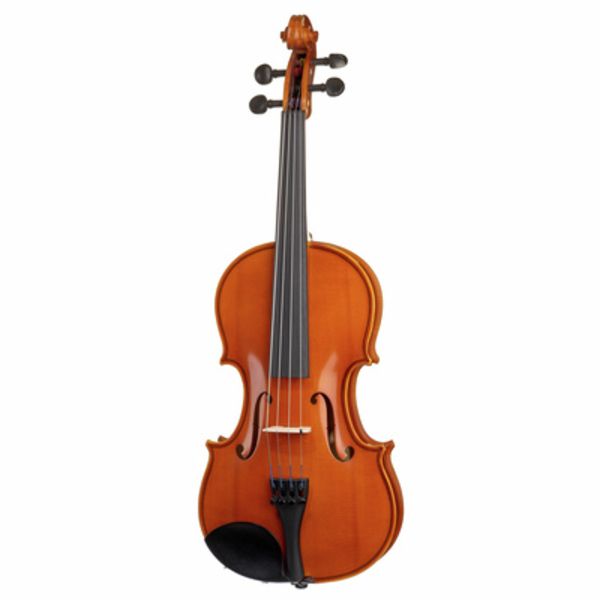
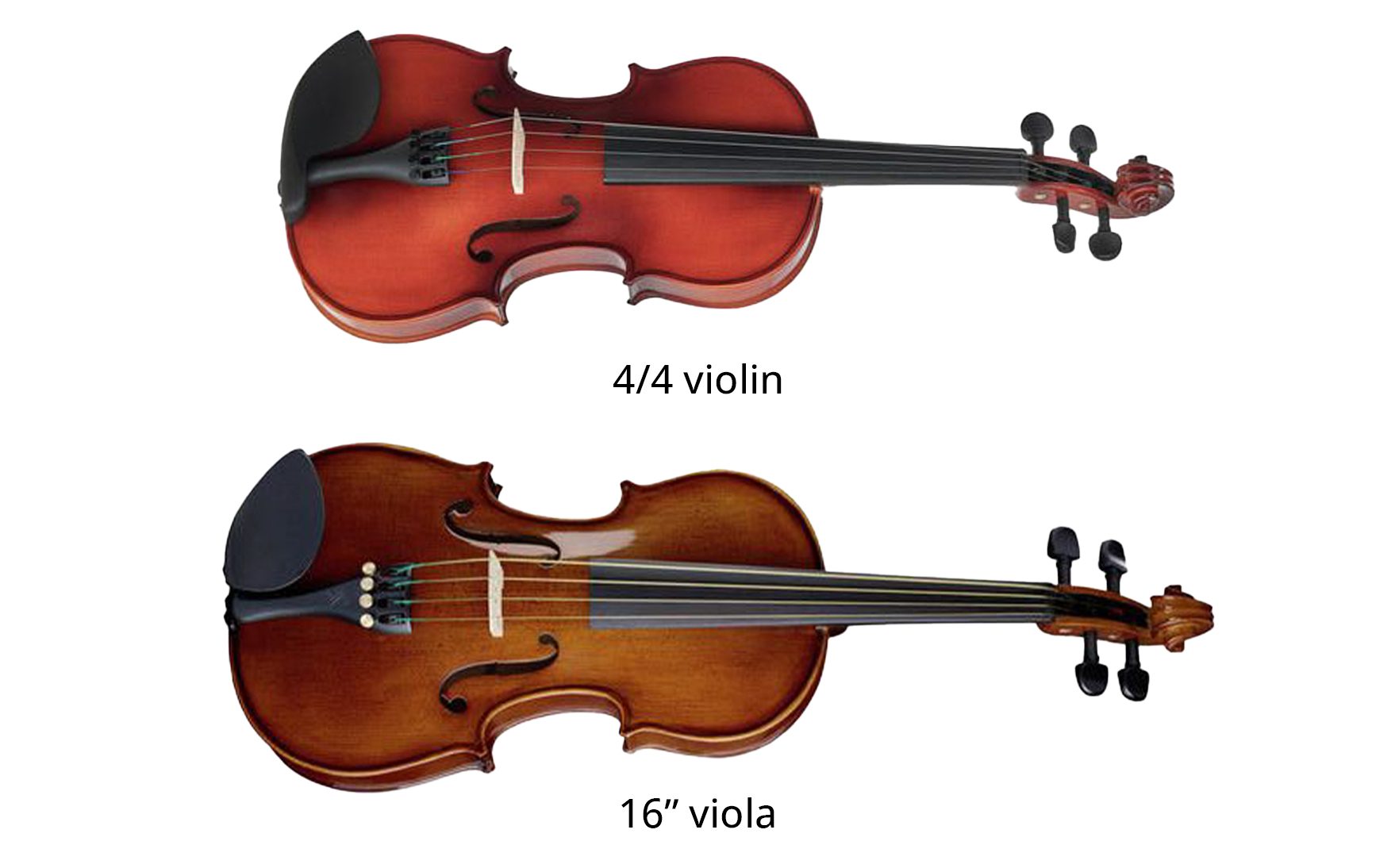
The body of a 4/4 violin is usually around 35 to 36 centimeters long. In contrast, there is no standard size for violas, but they are usually around 2.5 to 10 centimeters longer than violins. While instruments with body lengths of between 38 and 47 centimeters are available, most measure between 40.5 and 43 cm. For children and adolescents, violins are sometimes strung with viola strings to achieve the same sound in a smaller size.
The most obvious difference between the violin and the viola is therefore their size. The violin is much smaller in comparison. And no, it hasn’t shrunk in the washing machine, but has been deliberately designed this way for tonal reasons, as the smaller size results in a specific, higher-pitched sound.
Playing the violin and viola as a beginner
Fortunately, both the violin and the viola are available in smaller sizes suitable for children. Even a full-size 4/4 violin can be too large for a kid’s hands, and the larger viola even more so. With smaller 7/8, 3/4, 1/2, 1/8, and other so-called fractional sizes, children can easily take the first steps on the violin or viola.
For the viola, fractional sizes are not usually used. To find a suitable instrument, younger students can instead refer to the inch sizes, e.g. 12, 13, or 14 inches. Twelve inches corresponds to 30.48 centimeters, which again gives us an instrument that is significantly smaller than a 4/4 violin.
Violins
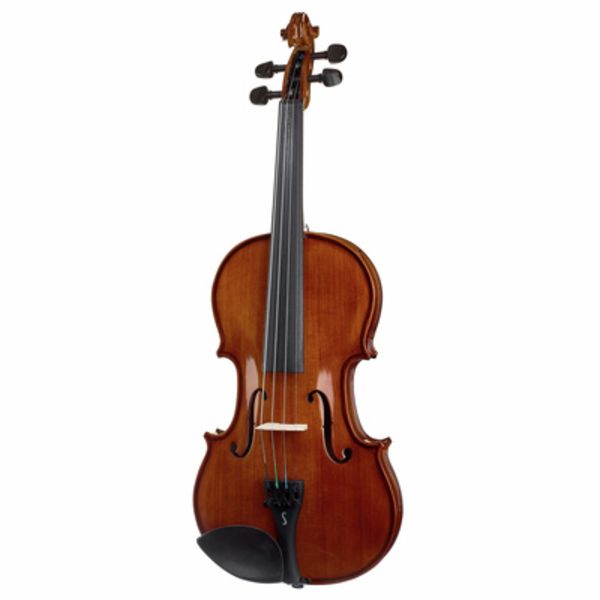
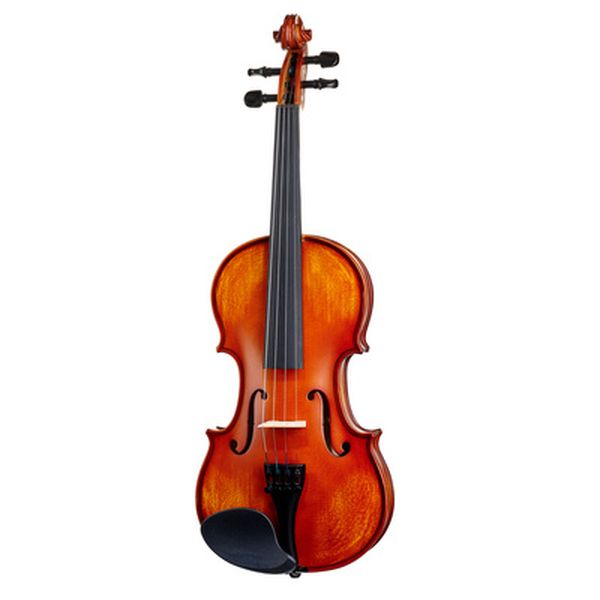
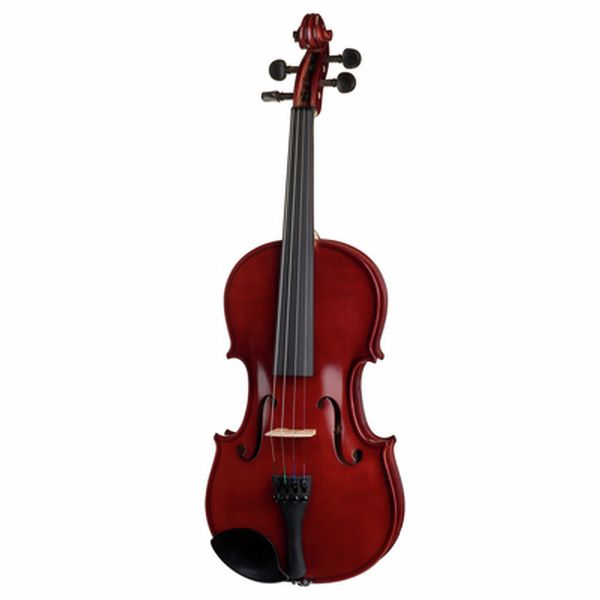
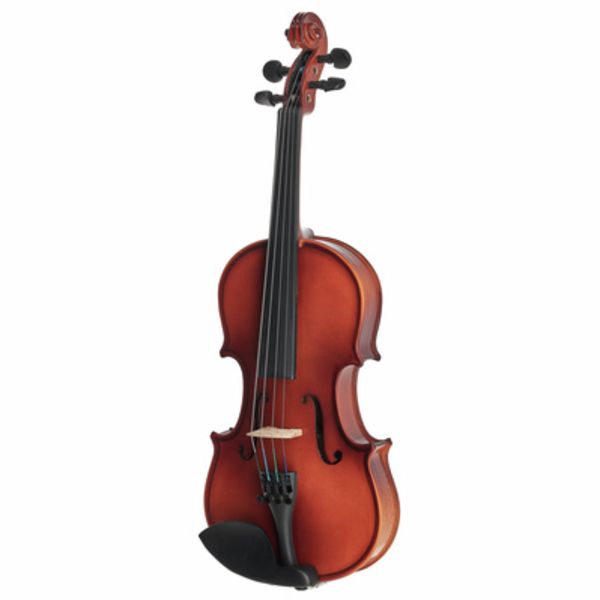
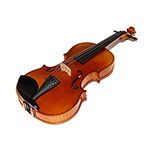
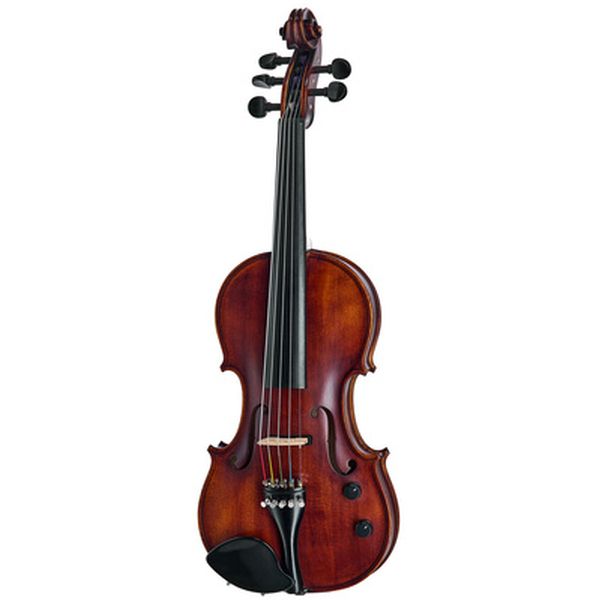
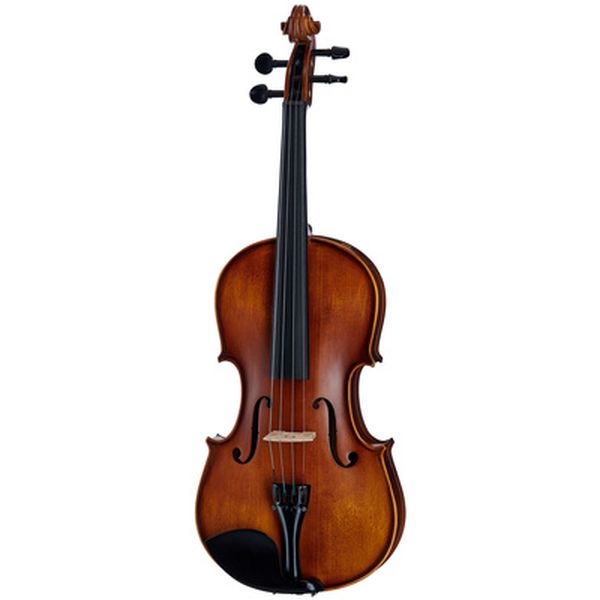
Editor’s recommendation: Roth & Junius RJV-A Antiqued Violin is a carefully crafted instrument made from high-quality European woods. Its solid spruce top and maple back, neck, and sides give it a rich, resonant tone. It comes strung with Larsen Aurora strings, known for their warm and responsive sound. The violin features a thin antique-style varnish that visually complements its warm timbre. In our workshop, we carefully set up each violin so it arrives fully playable and ready to perform. This is a reliable choice for beginners or advancing players who want real tone and craftsmanship in one package.
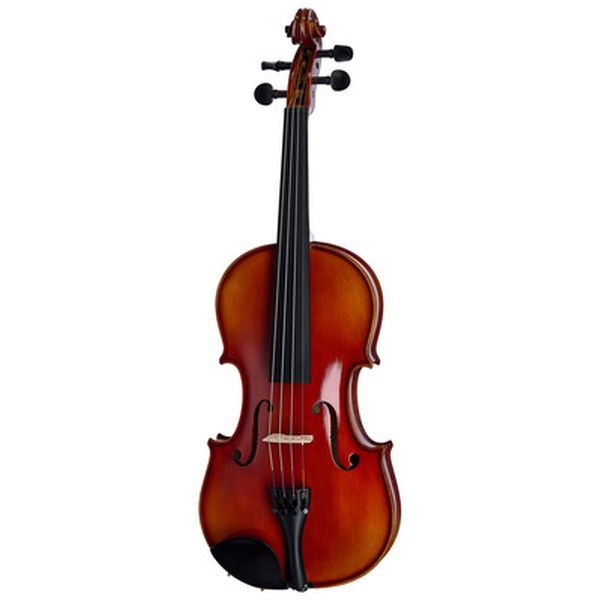
Roth & Junius
RJV-A Antiqued Violin Set 4/4
Violas
🎻 shop all violins and violas 🎻
Strings and tuning and how they affect the playing style
Both the violin and the viola have four strings. But don’t assume that they’re “nearly identical”; they are not. To be more specific, the viola is tuned a fifth lower than the violin. This also means that the strings of the viola are thicker than those of the violin, which affects the way it is played. The thicker strings of the viola da braccio require a faster hand, faster bowing, and a heavier bow weight.

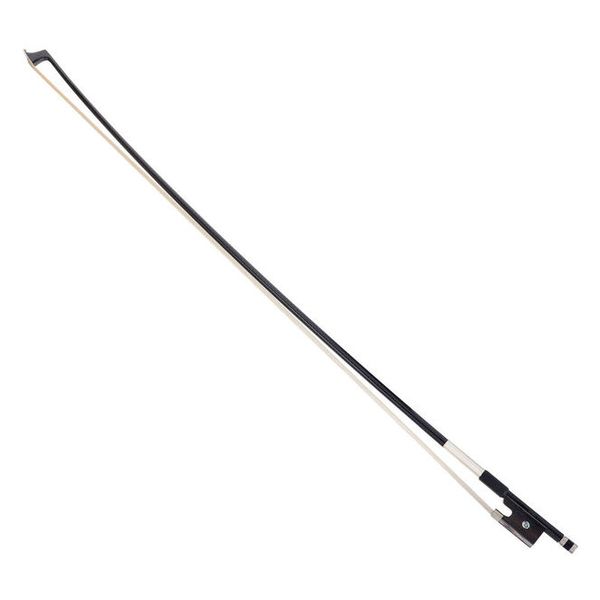
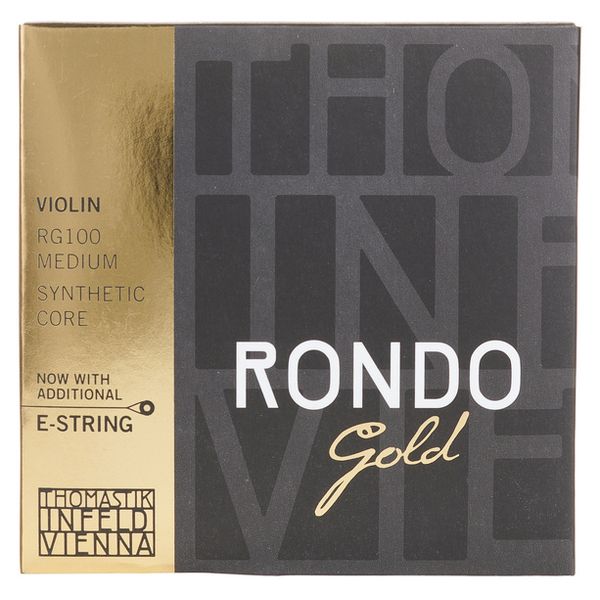
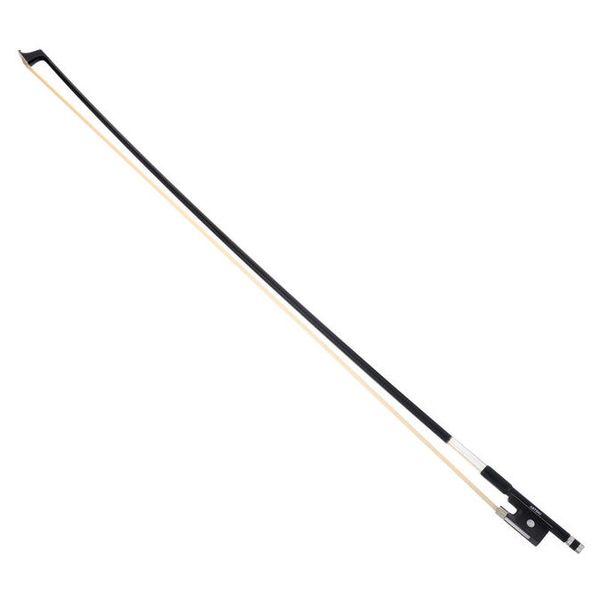
🎻 shop all accessories for violins 🎻
Tuning the violin and viola
The strings of the violin are tuned in fifths to the notes g | d1 | a1| e1. It is customary to tune the A string to 440 Hz first, followed by the D string, then the G string, and finally the E string.
On the viola, the four strings are also tuned in intervals of fifths, namely to c | g | d1 | a1. The three higher strings of the viola correspond to the three lower strings of the violin.

Despite the different tuning, you’ll also focus on the A string first when tuning the viola. This then serves as the reference pitch for everything else. When tuning both instruments, make sure that the bridge does not shift towards the fingerboard or becomes otherwise misaligned. By the way, the last movement of the pegs when tuning the violin or viola should always be an upward movement. This helps to ensure that the instrument stays in tune.
🎻 shop all accessories for violas 🎻
Reading violin and viola music: soprano or alto clef
Another difference between the violin and viola is the clef in which the two instruments are notated, played, and read. The violin is written in treble clef, which is also known as soprano clef, whereas the viola is written in alto clef.
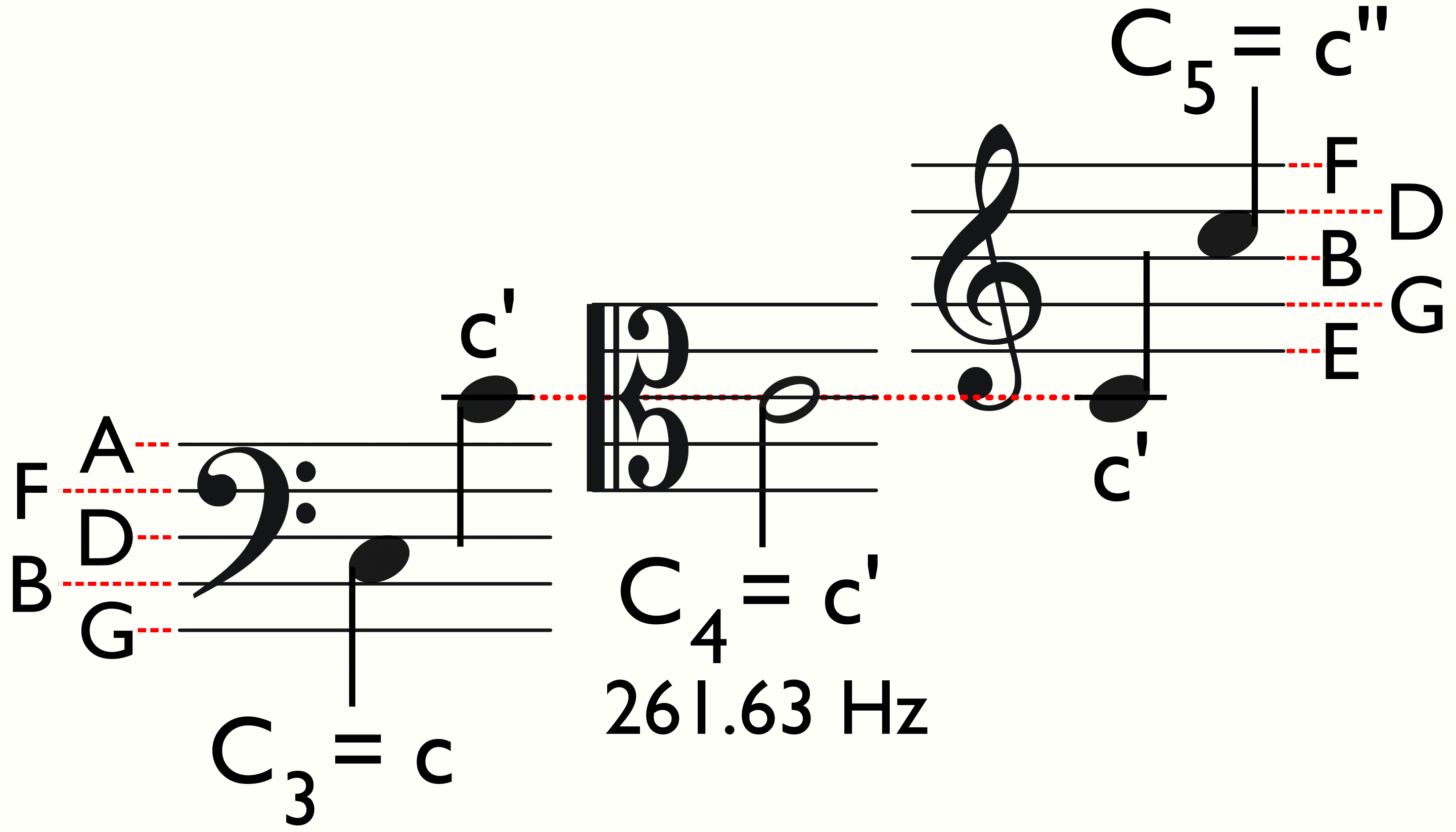
This means that switching between the violin and viola requires a bit of adjustment when it comes to reading. However, this usually isn’t much of a problem, especially as the fingering – apart from the distances on the fingerboard – is almost identical.
Out of musical conviction – we carry them all
Did we mention that you can discover the complete range of violins and violas in various sizes and designs from popular brands at great prices and that no instrument leaves our warehouse without being checked by our in-house luthiers? Playing the violin and viola is an exciting adventure. It must be experienced and lived.
Violin and a Viola: Your Feedback
We wish you lots of fun playing the violin or viola – make the most of it! Feel free to tell us about your progress and successes in the comments!












Comments 0
No comments yet.