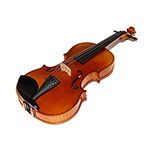
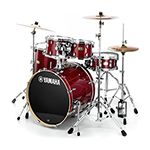

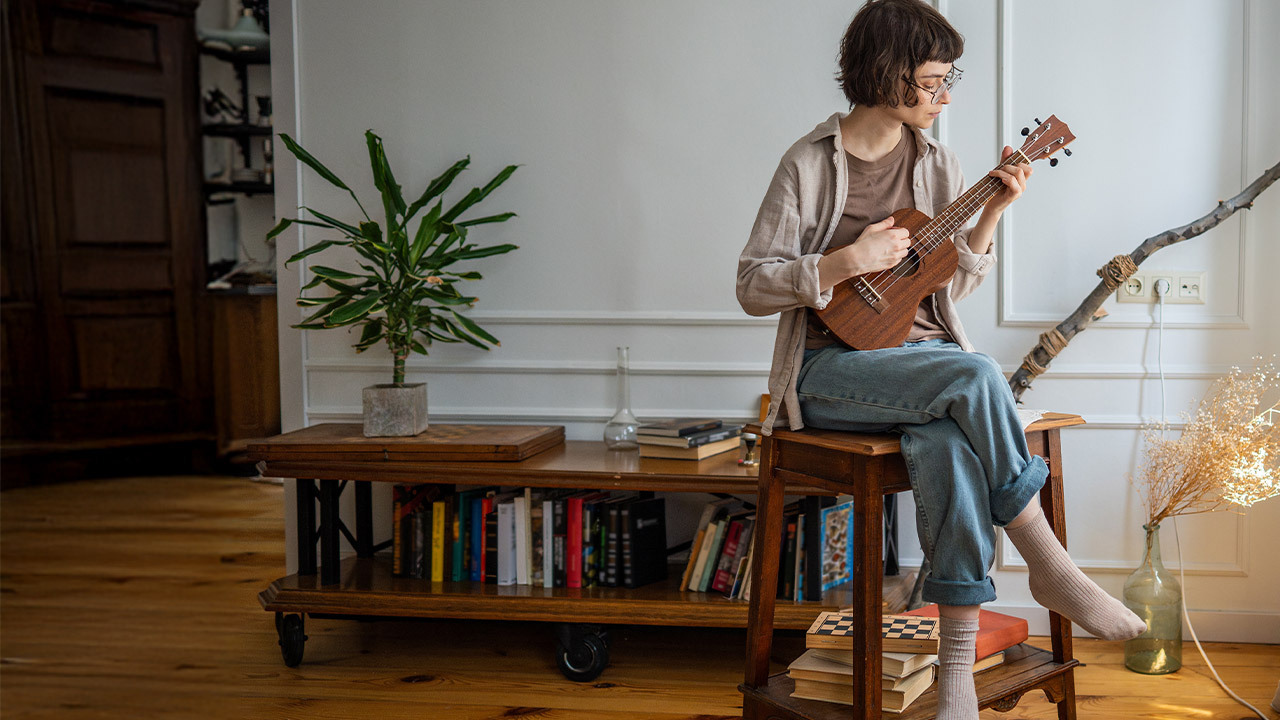

New year, new luck, and above all, new resolutions: you’ve decided to learn a musical instrument. What a great idea.
For us, this is reason enough to give you, alongside the pure joy of playing, a few positive arguments that could further boost your motivation. 🥁
Learning a musical instrument actually offers unexpected benefits that go far beyond simply making music. What are they? Let’s find out!

1. Enhanced concentration
Musical training can lead to more efficient information processing and, consequently, improved concentration, significantly boosting cognitive abilities. This effect occurs because you constantly memorize notes, chords, rhythms, and specific techniques, which trains your short-term and your long-term memory.
2. Improved problem-solving skills
Learning an instrument also promotes so-called cognitive flexibility – the ability to adapt to different situations. Naturally, on your musical journey, there will be obstacles to overcome. Overcoming them, including your inner resistance, will ultimately shape your personality. Step by step, you will become better at solving everyday problems. Music gives you the necessary resilience to handle challenges.
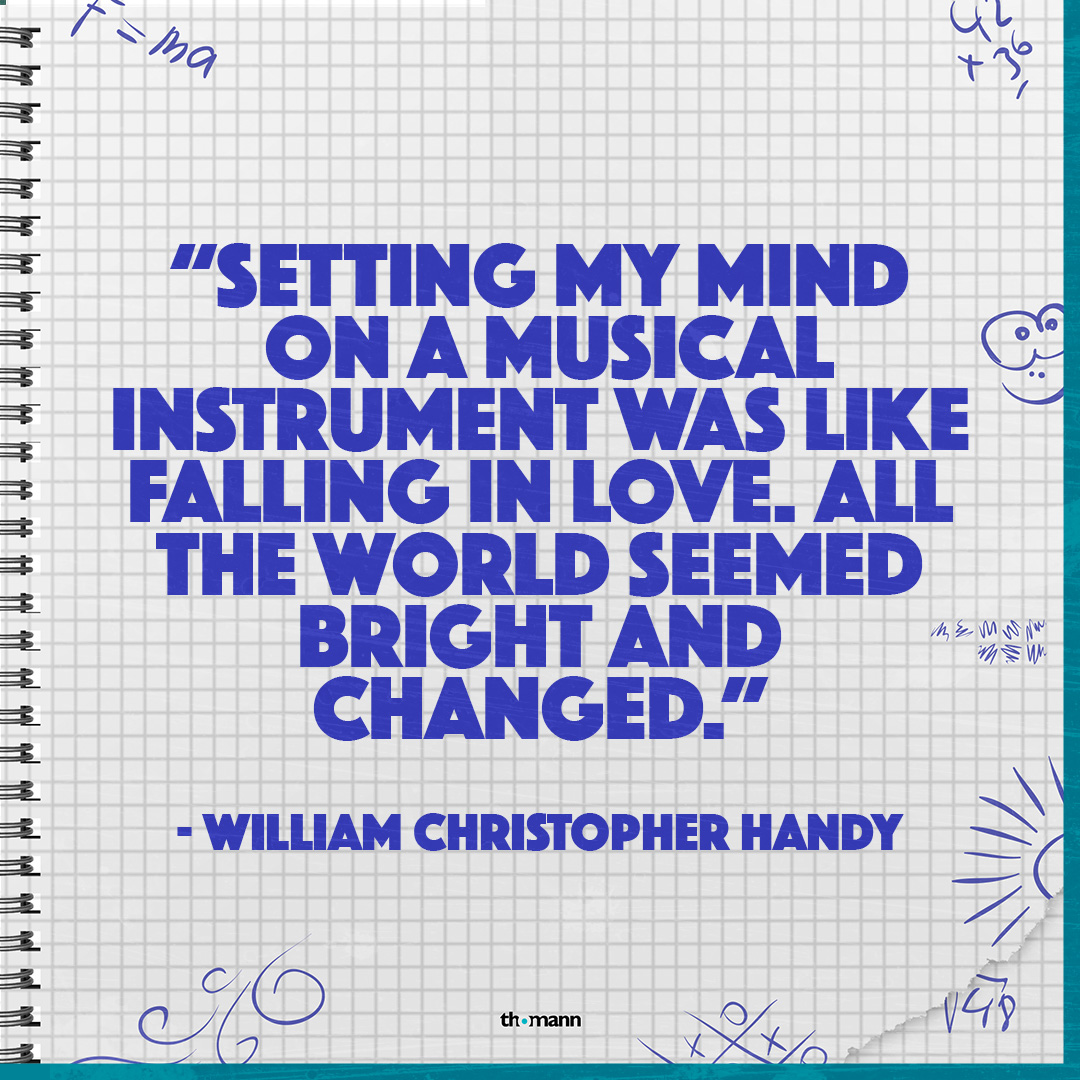
3. Increased creativity
Music is, by nature, emotion and creativity. You learn to express your feelings in tones and sounds, discovering new ideas and previously unknown possibilities along the way. It’s nothing less than a glimpse behind your own personal scenes. Embracing improvisation in music can also lead you to new ways of thinking in other areas of your life. Thinking and feeling “outside the box” is completely normal in music, and it can open entirely new horizons in everyday life.
4. Patience and perseverance
Consistent practice on an instrument requires a good dose of perseverance. There are many steps to take, each building on the previous one. It’s completely unrealistic to expect everything to work perfectly from the beginning. Sometimes you have to try again – but with a method, not just aimlessly. The perseverance and disciplined time management you develop will transfer to other areas of your life. A little patience and calmness should definitely be on your bucket list for the new year.
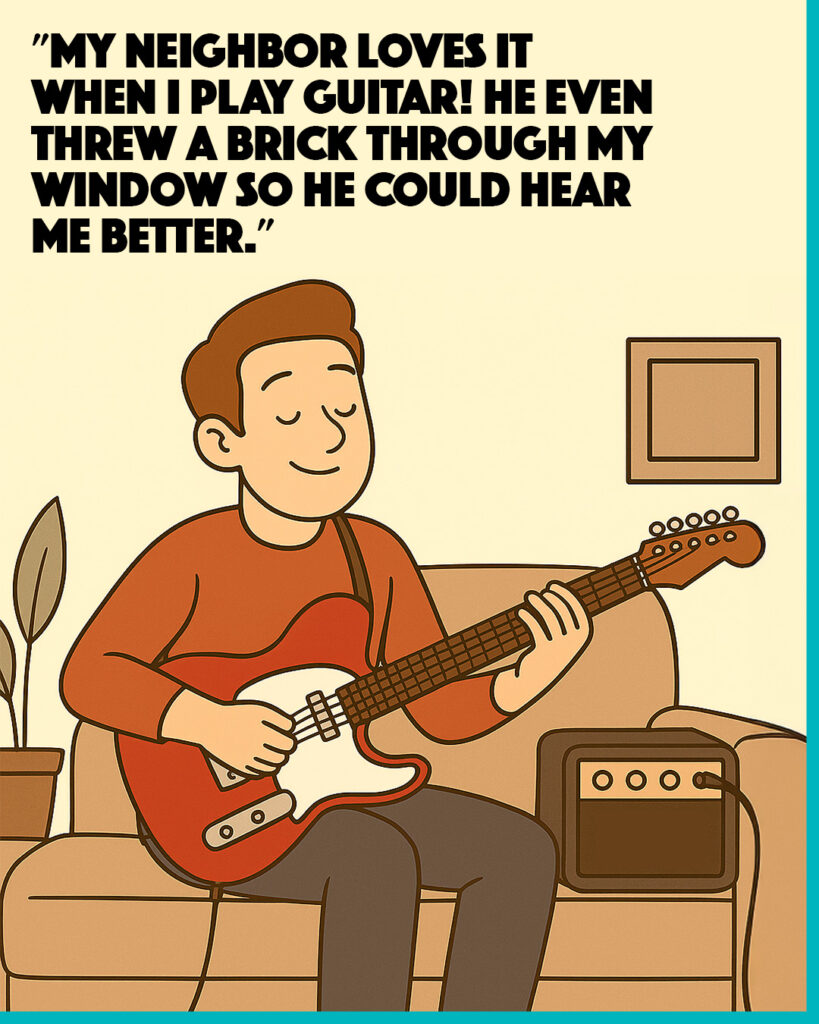
5. Stress reduction and lower risk of depression
Another potentially unexpected benefit is that playing music can have health advantages. Research has long shown that both playing and listening to music can lower your heart rate and reduce stress, anxiety, and depression. Your instrument and music are trustworthy partners at your side, whose loyalty you can rely on without hesitation.
6. Better posture and breathing
The foundation of life is, and always will be, breathing. But as we age, it can become more shallow if we’re not mindful. For wind instrument players, controlled breathing is essential to playing properly. Optimal breathing techniques are directly linked to posture. Proper diaphragm and abdominal breathing is only possible if you hold yourself upright. Soon you’ll notice: lounging like a sack of potatoes on the sofa will soon be a thing of the past with your 2026 resolutions. Breathing properly and standing tall will help you handle even challenging situations much better.
7. Greater sensitivity and cognitive ability
It has been widely proven that playing music – especially practicing – not only maintains existing neural connections but even creates new synapses. Constantly learning new note combinations, rhythmic patterns, and complex musical structures acts like a new ecosystem for your brain. As a result, this – as documented in many studies – increases sensitivity, the ability to process stimuli, and the capacity to understand complex relationships. Once you can read an orchestral score, handling the rest becomes much easier, right?
8. Social connections through music
You may start practicing alone, but that won’t last long. Usually, your goal is to play with others, whether in a band, orchestra, ensemble, or with a friend by the beach or campfire. You’ll likely be amazed at how tightly-knit musicians are and how often they spontaneously meet for jam sessions. Few other groups of people come together as quickly around shared interests. Soon you’ll speak the same “language” and naturally make many new connections.
9. Boosting self-esteem
When you first decided to learn an instrument, you probably didn’t think about this, but it’s one of the unexpected side effects: you’re doing something genuinely good for your self-esteem. You can already see it in children: those who consistently develop their skills on an instrument soon can do something others cannot. That’s a skill to be proud of. And when your spirit feels a little clouded, you can tell yourself: “Hey, try doing this!” That will certainly help.
10. Improved hearing
According to studies by the Society for Neuroscience, musicians have better hearing than non-musicians. This is hopeful – and honestly, unexpected – news for your 2026 bucket list. The key, however, is understanding what this means: it’s primarily about the ability to perceive tones and musical structures more accurately. It’s not your ears but your brain that does the training. Whether it’s classical or modern chart music, your brain – not your ears – learns to perceive sounds more precisely. Interestingly, this also allows you to clearly hear your own instrument, even when performing with a full orchestra. This is made possible through a kind of brain reorganization that helps you detect different sounds with greater clarity. The downside? When your mom gives you a task, you won’t be able to say, “Sorry, I didn’t understand you.”

We hope you pursue your goal and continue to develop both musically and personally in the coming year. There’s nothing good unless you do it – especially when it’s unexpected.
Learn an instrument too!
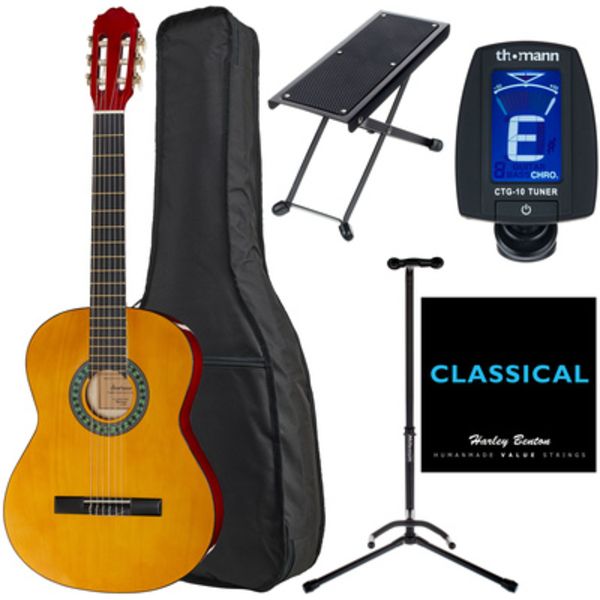
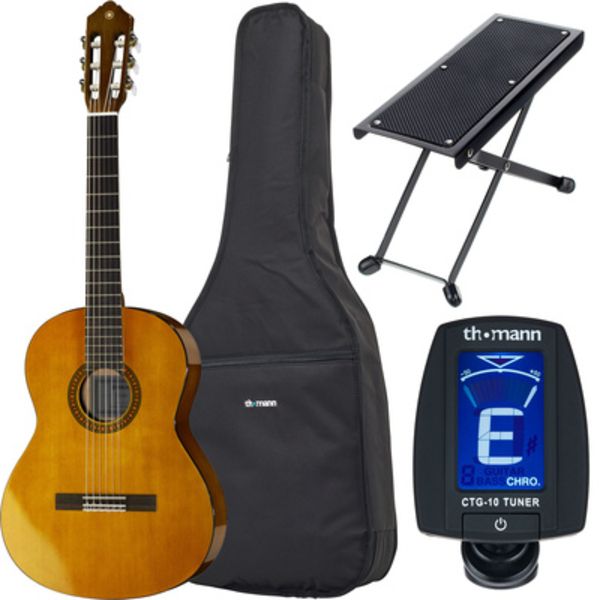
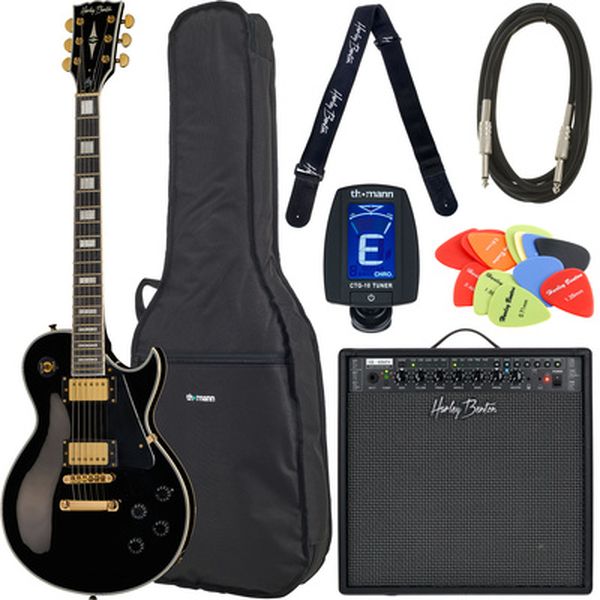
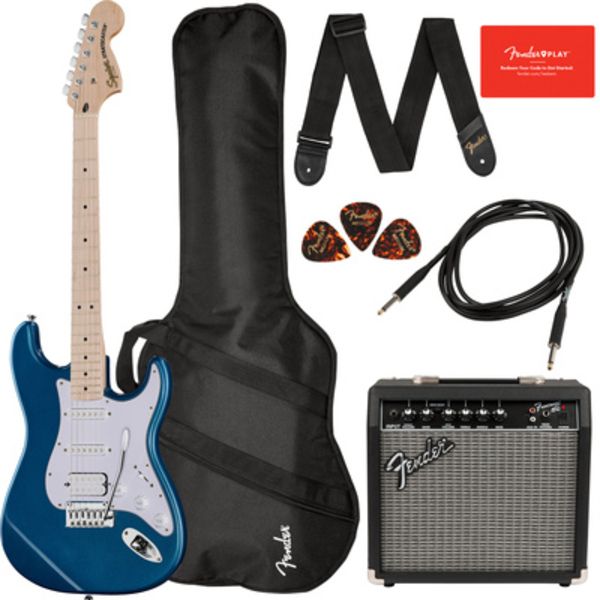
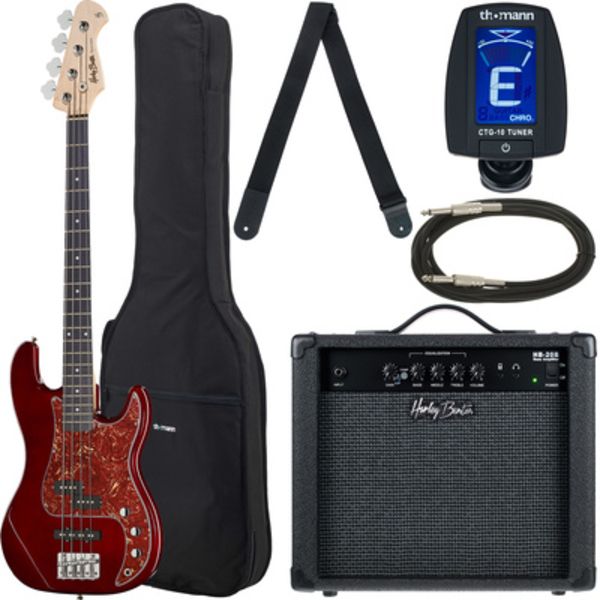
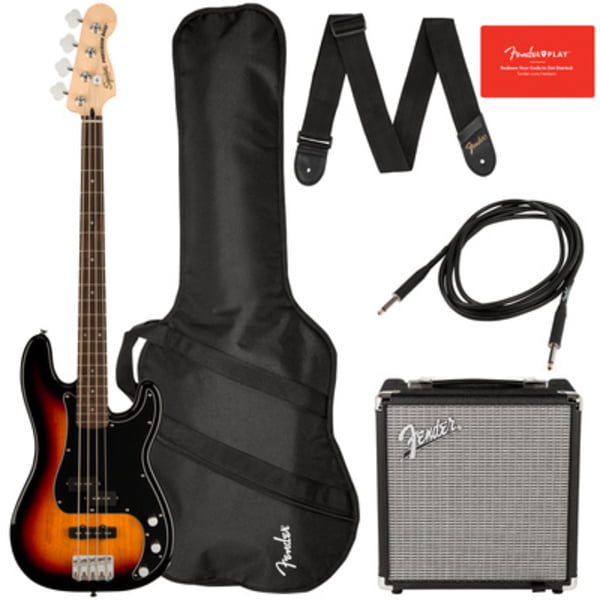
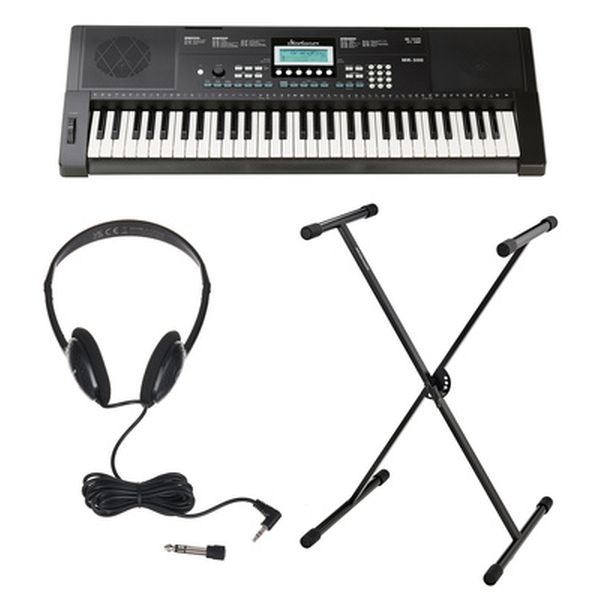
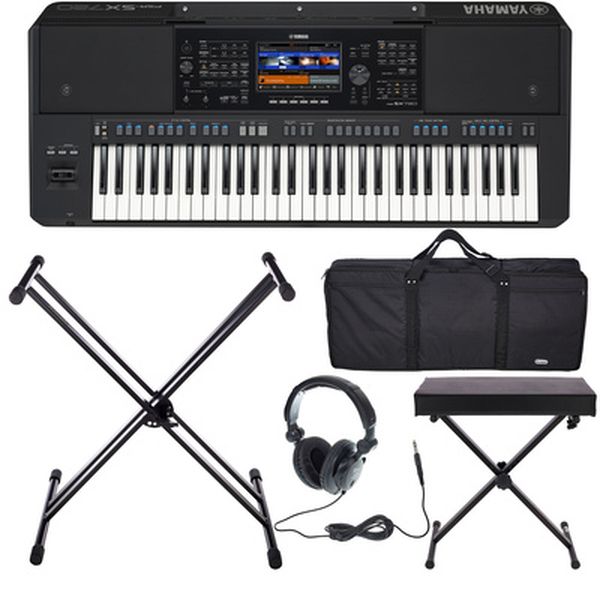
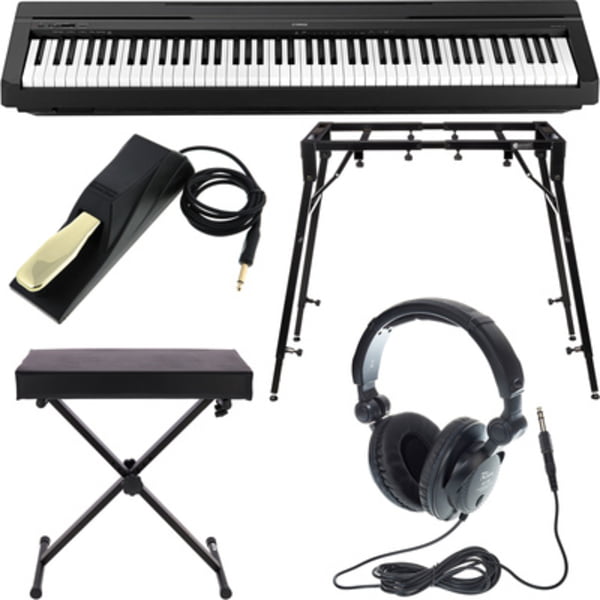
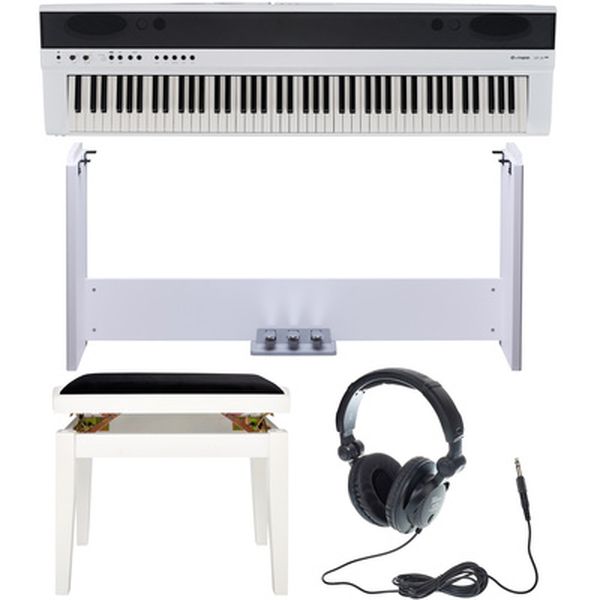
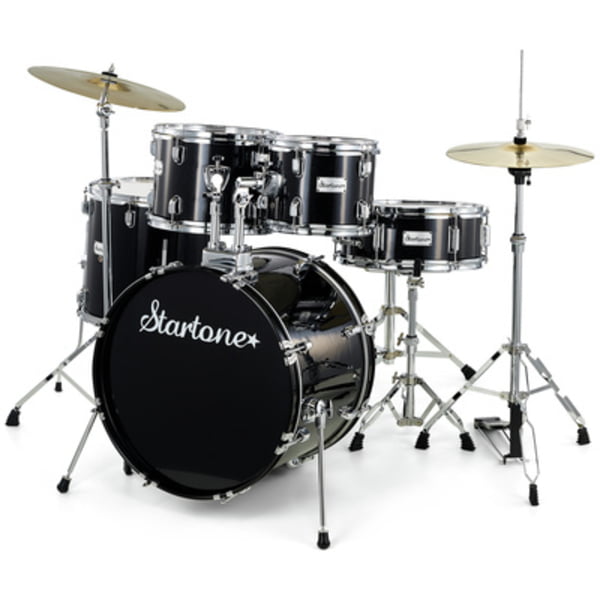
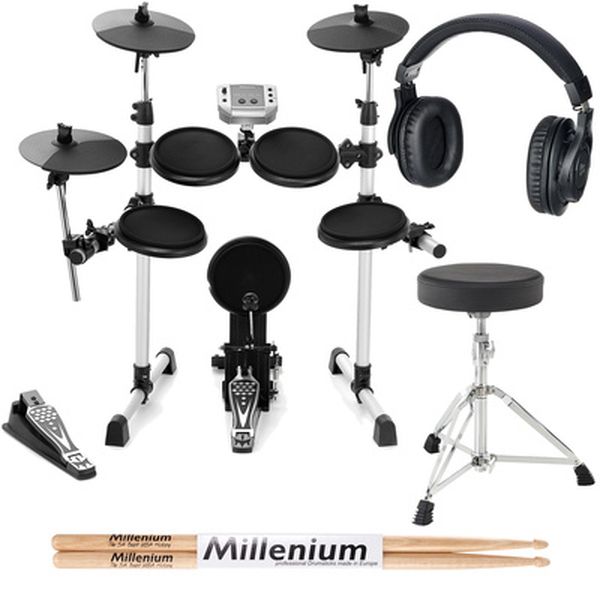
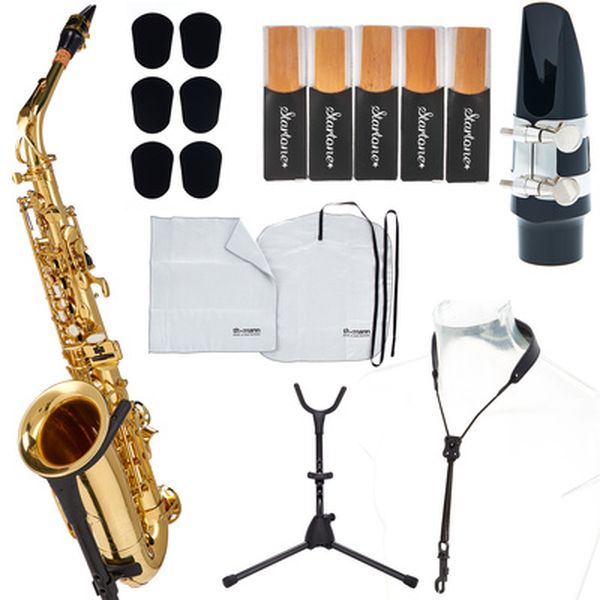
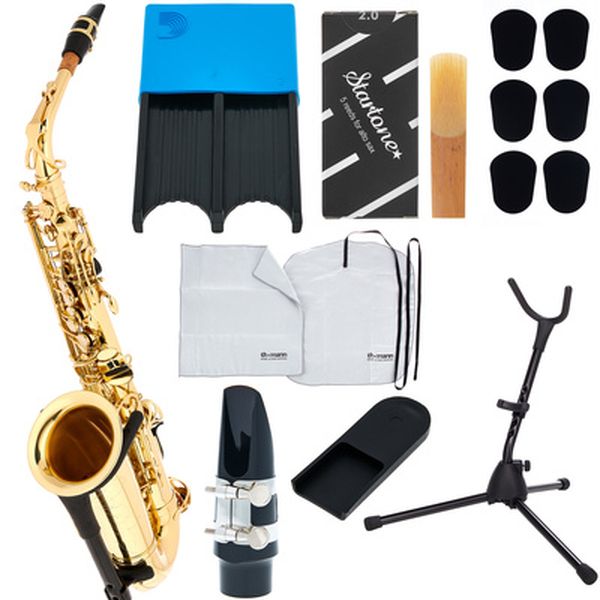
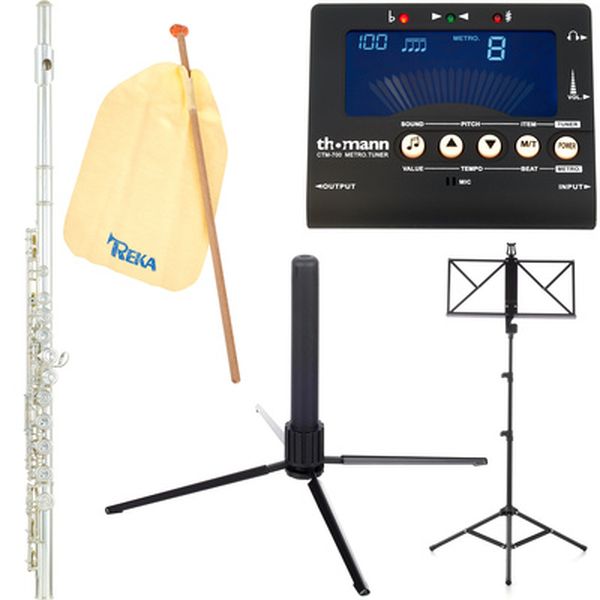
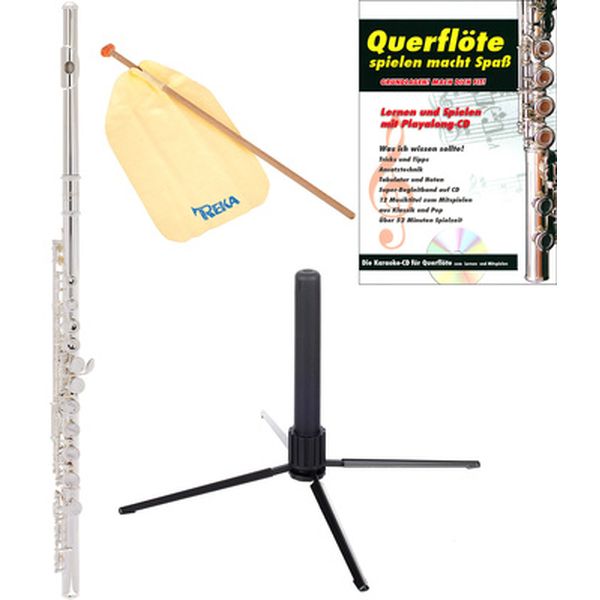
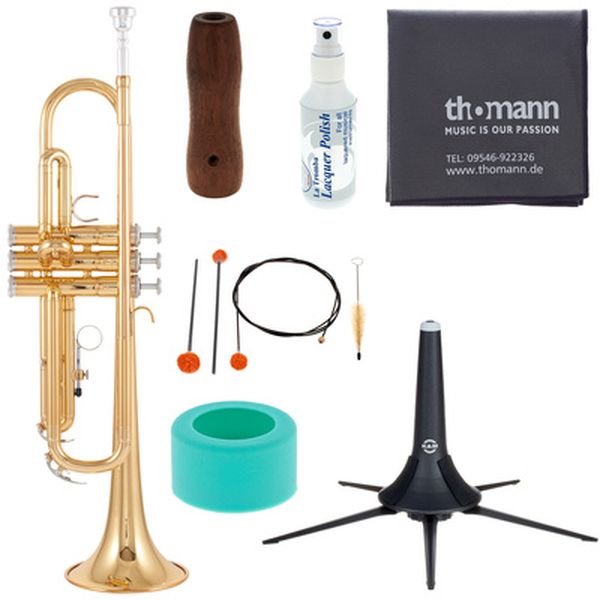
Do you also want to learn an instrument in the new year – or add another one because you already play one? We’ve put together a small selection of perfect beginner sets for you to get started right away.
And if you have any questions, feel free to contact our product specialists – either via the “Advice” button on every product page or using the phone numbers and email addresses listed on our contact page. We’re happy to call you back! Or simply browse our product pages yourself.
If you prefer to try things out in person, feel free to visit us at our store in Treppendorf.
Classical Guitar
Electric Guitar
Electric Bass
Keyboard & Piano
Drums
Saxophone
Flute
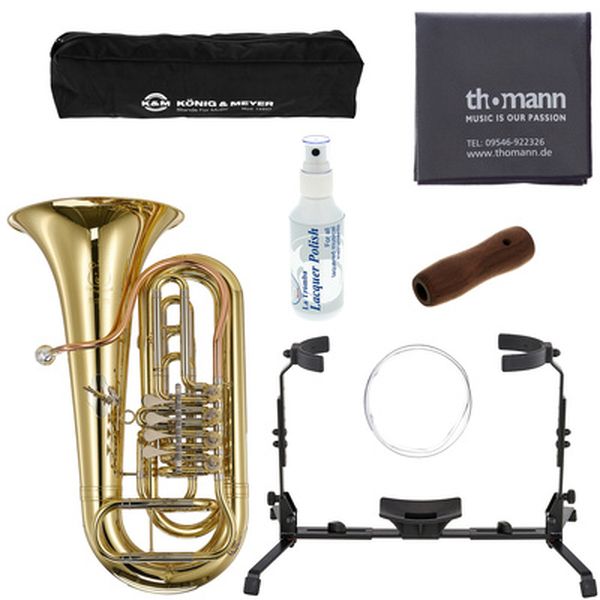
Trumpet & Tuba
Benefits of learning an instrument: your feedback
What do you hope to achieve with your instrument? Feel free to share your thoughts in the comments!












Comments 0
No comments yet.