






Encounters with the traditional folk music of other countries and instruments of “world music” are always a creative inspiration – and they can even promote international understanding.
Anything that doesn’t conform to the usual mainstream and listening habits makes us curious. Here are 7 examples of traditional musical instruments from countries around the world.
1. Armenia: Duduk – An Amazing Mass Phenomenon
The duduk is a real paradox. This traditional double-reed wind instrument is considered one of the most difficult instruments to play. At the same time, however, it is the national instrument of Armenia, which makes it an unexpected mass phenomenon.
With an emotionally enchanting sound, the duduk tells stories of loneliness, melancholy, and vastly expansive landscapes. Its melancholic, lyrical tones have even been compared to the gentle timbre of the human voice.
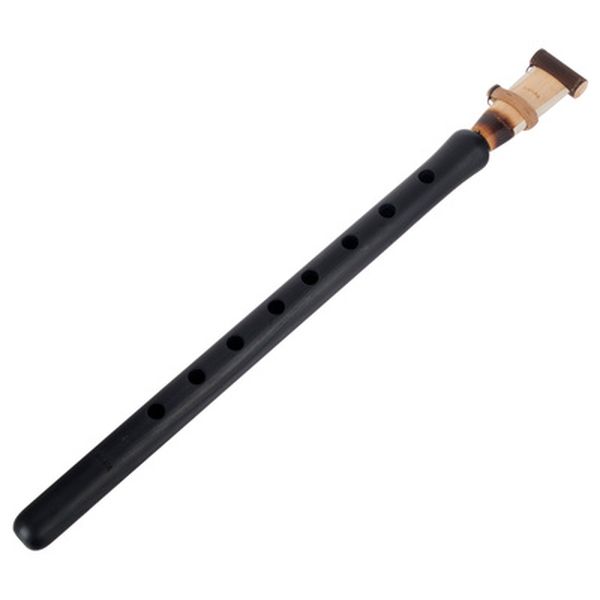
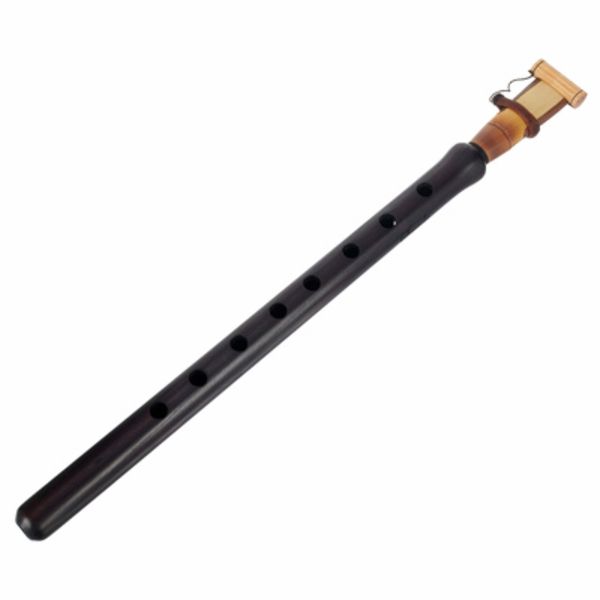
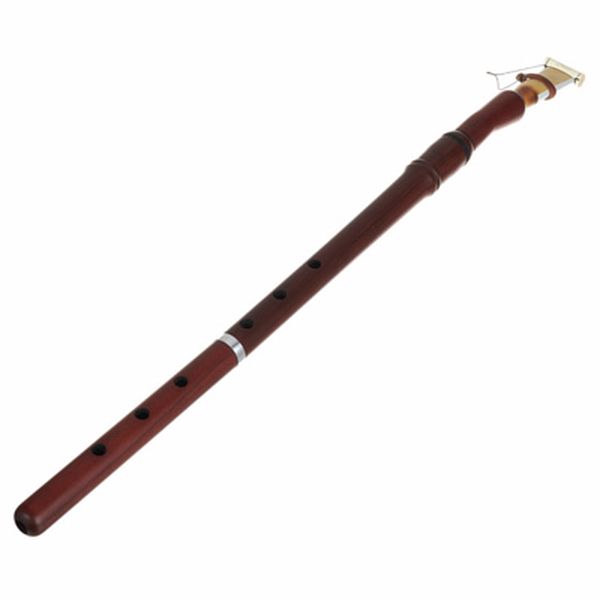
The material used in its construction is also unique. The double-reed flute is made from selected woods from the apricot tree. The wood is soaked, dried, and then stored for several years to dry out completely.
Duduks are hand-made using traditional methods, and each instrument is unique. Since 2005, the duduk has been recognized by UNESCO on the list of Intangible World Cultural Heritage.
2. Finland: Kantele – Born from a Legend
With its wonderfully warm and full sound, the kantele sounds like a Finnish farmhouse in the wintertime – it’s obviously an effective measure against the Nordic cold. As an instrument that tells stories, it’s perfect for music therapy, but also for anyone who just loves Finland and the Nordics.
According to a legend, the instrument can be traced back to the mythological singer Väinämöinen.
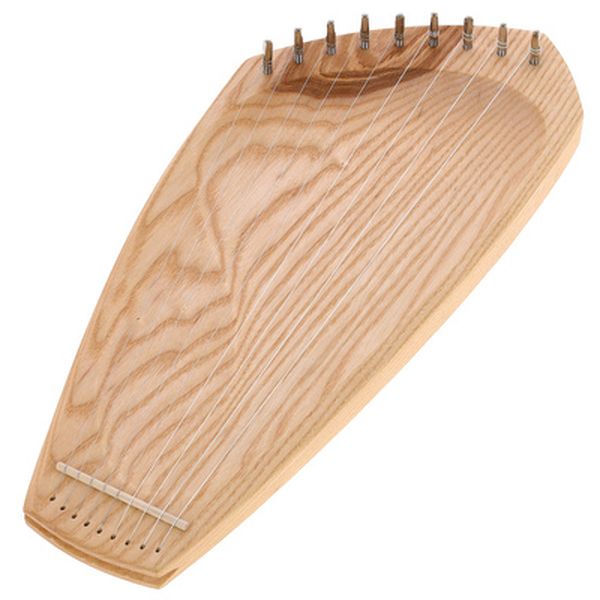
Choroi
Kantele 9 Strings
He is said to have made the first kantele from the jaw of a gigantic pike, using the teeth as pegs and horsehair as strings. When he started playing, people were so moved by the sound that they left their workplaces. Even the animals came out of the forest to listen.
Initially, the Finnish national instrument was strung with five strings. In the meantime, this has increased to 23 strings, with modern kanteles even fitted with up to 46 strings. But the average musician rarely has 46 fingers. Quite demanding.
3. Greece: Bouzouki, Greek Blues and Sirtaki
The bouzouki is the international ambassador of Greece. Around the world, its sound has long since become synonymous with Greece, embodying an irrepressible zest for life and Southern melancholy at the same time.
The curious thing is that although it is now considered a traditional instrument, this stringed instrument with the pear-shaped body only found its way into the country’s culture with the Rembetiko – the Greek equivalent of blues music. That was around the 1920s.
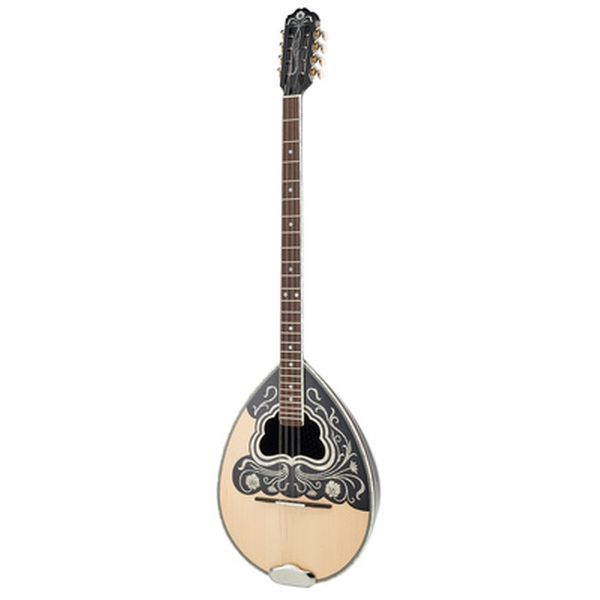
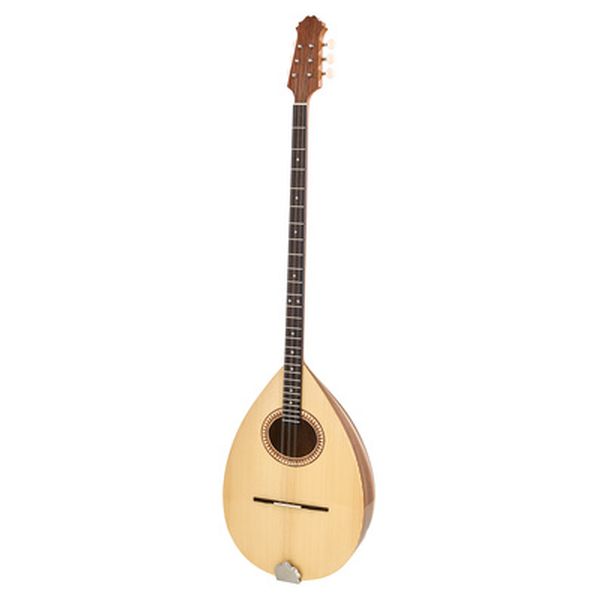
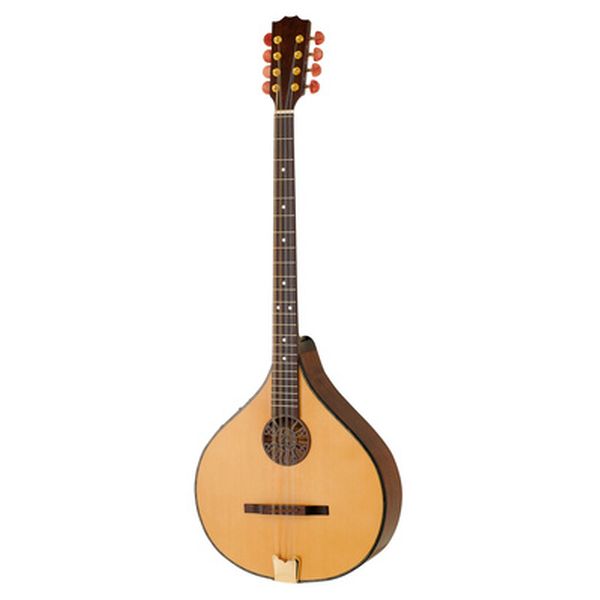
The characteristic sound results from the stringing with a total of six or eight double chorus strings, two of which are tuned to the same pitch and lie close together.
The subtle differences in pitch are responsible for the floating sound of the bouzouki, comparable to a carefully applied chorus. The bouzouki is available in Greek or Irish versions.
4. Portugal: Fado guitar – an Instrument of strong Emotions
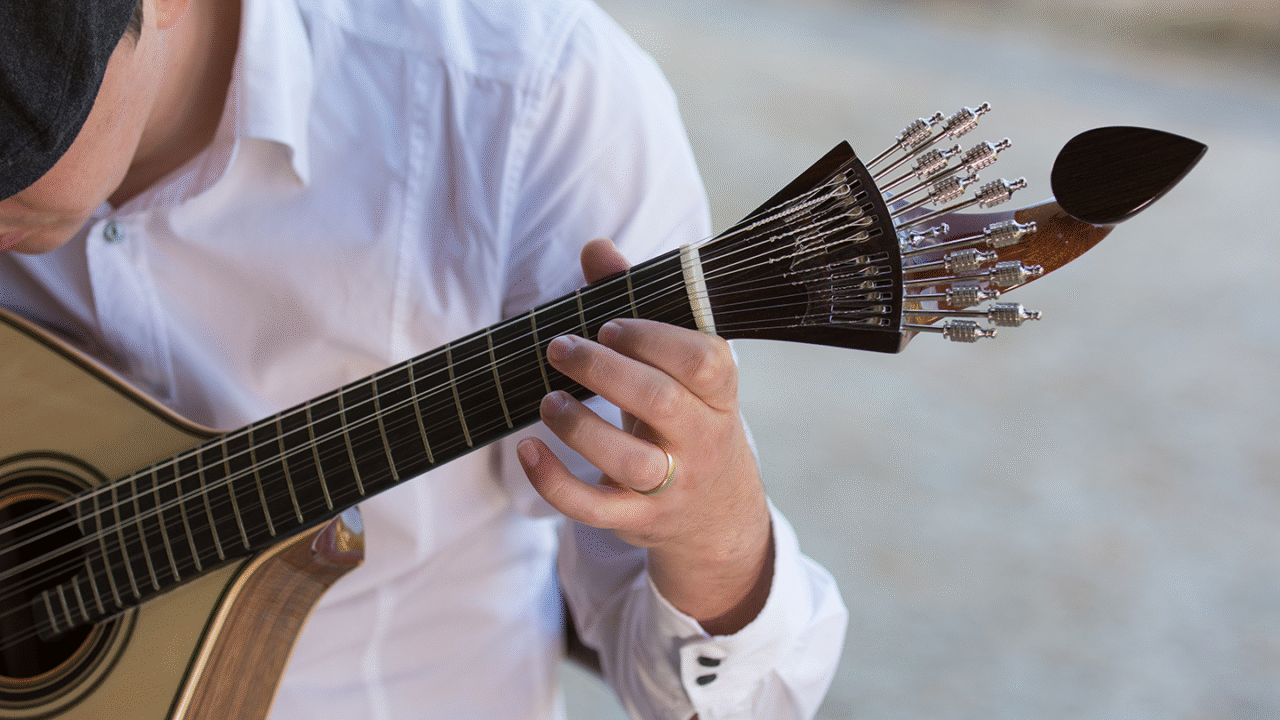
The term Fado doesn’t refer to a specific instrument, but rather a musical tradition typical of the country. Meaning something along the lines of “fate”, fado revolves around strong feelings, love affairs, the end of love, jealousy, revenge, and misfortune. Characteristic of the various styles of fado, such as traditional fado or the more lively fado corrido, is the Portuguese guitar, which is locally referred to as “Guitarra des Flandres” and is also known generically as the “fado guitar“.
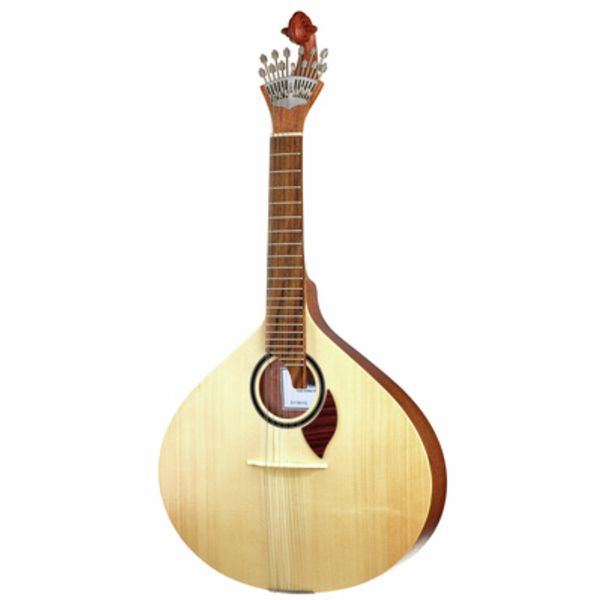
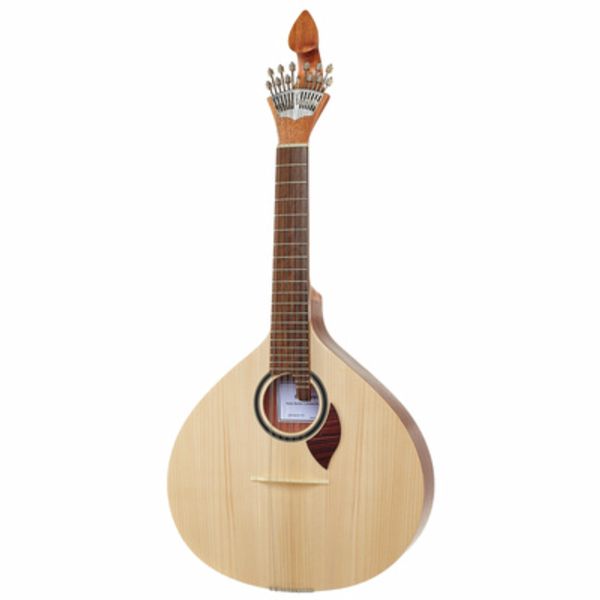
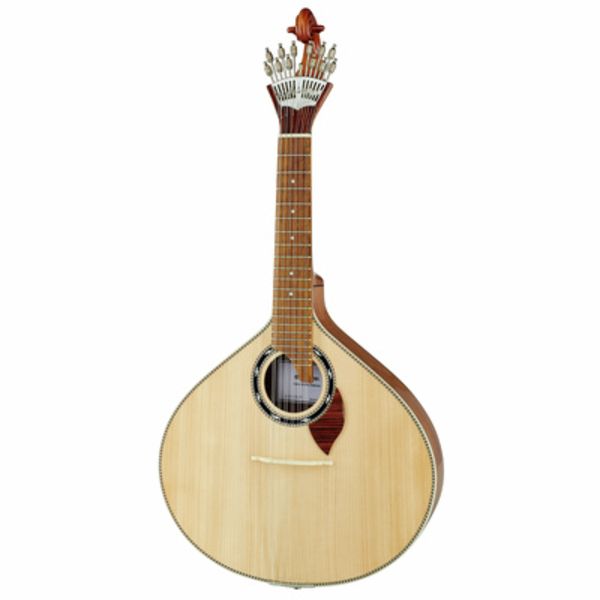
That said, it isn’t actually a guitar, but a cittern, i.e. a box-necked lute. The fado guitar is about a third smaller than a classical guitar, has a pear-shaped body made of wood, and is usually equipped with 12 strings, which are arranged in six pairs of double strings.
While the Portuguese guitar was played exclusively with fingernails for a long time, artificial picks are now commonly used.
5. Switzerland: Alphorn – from Communications Device to Tourist Attraction
Switzerland has more to offer than pocket knives, cheese, and chocolate. The country also has a musical national symbol: the alphorn. Around four metres in length, the wooden instrument was originally used by shepherds to communicate across mountains and valleys. And although it is also played in other Alpine regions in Germany and Austria, it has become particularly popular in Switzerland.
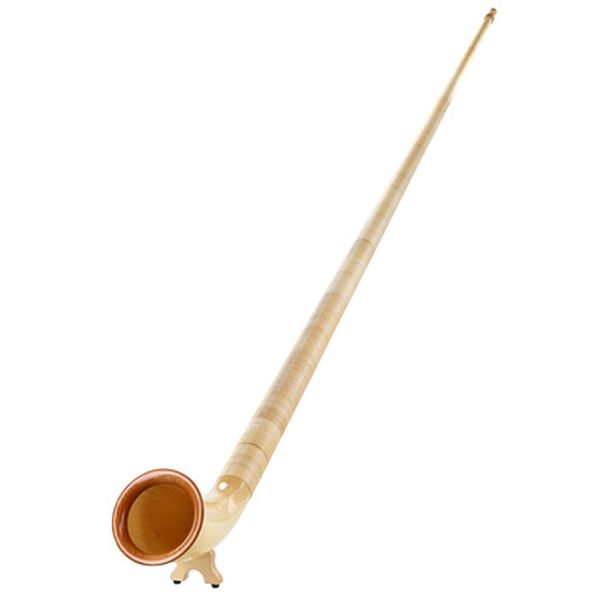
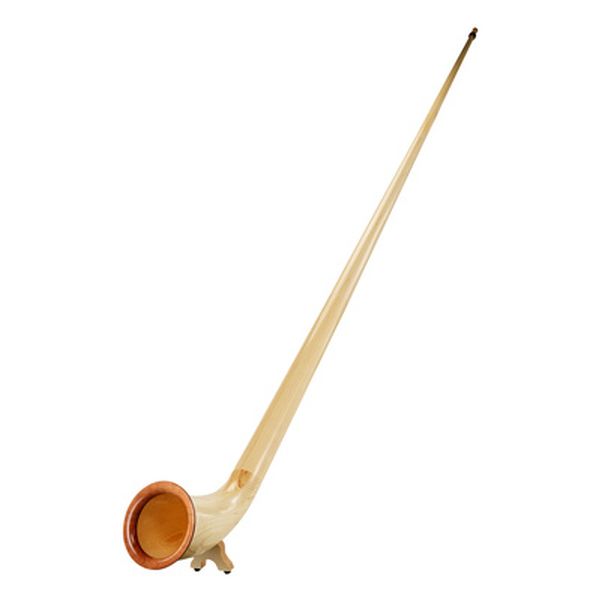
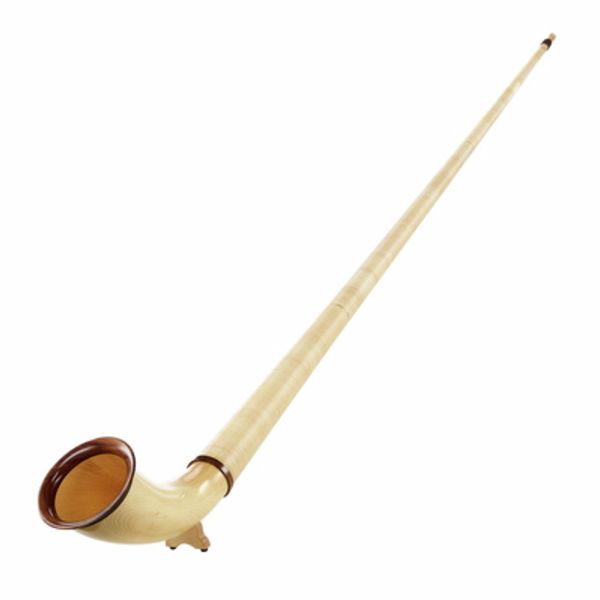
The alphorn is a natural instrument that seeks to explore the emotions of freedom, vastness, and loneliness through the sounds of nature.
Although alphorns are now available in different lengths, the most common size is the one used in Switzerland: the F#/G# alphorn with a standardized length of 3.47 meters.
6. Turkey: Saz – Oriental Pear-Shaped Instrument with a Long Neck
Anyone interested in the musical tradition of the Turkish-Arabic region cannot help but be fascinated by the extraordinary sound of the saz, the Turkish long-necked lute. As a folk instrument, the saz evokes feelings of one thousand and one nights.
Its unmistakable sound has long since made its way beyond Ottoman oriental music into contemporary popular music. Find saz instruments at Thomann under this link.
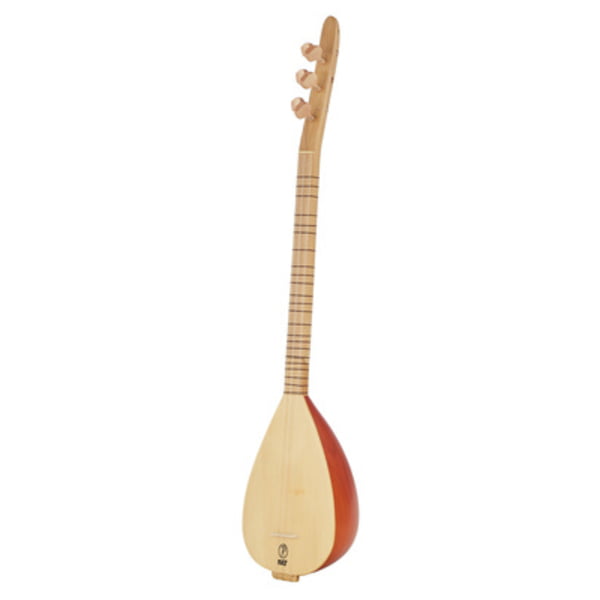
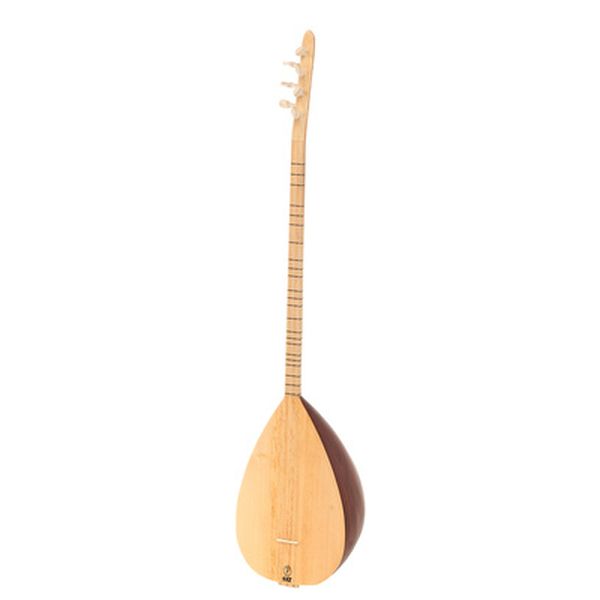
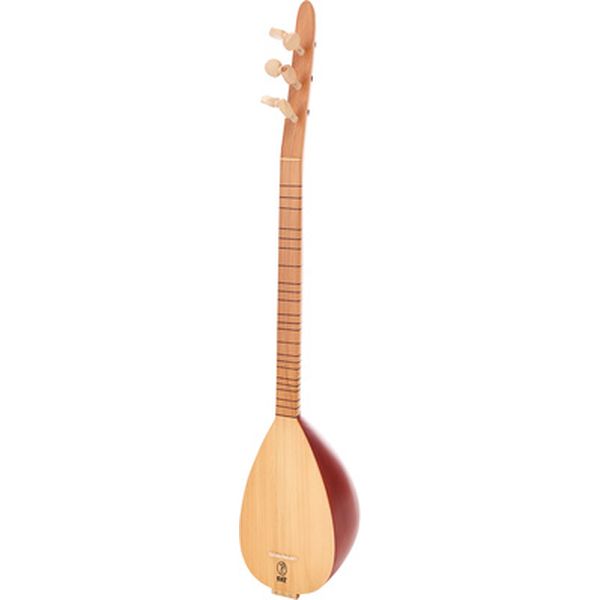
Originally simply meaning “musical instrument”, the term “saz” now usually refers to the baglama, a type of long-necked lute that is typically played with an elongated plectrum.
However, this is by no means set in stone. In the Şelpe technique, the strings are played with the fingers or even bowed. The saz is a gateway to a wide range of sounds unheard of in Western music.
7. Germany: Waldzither
Only recently, the forest zither, a traditional Thuringian box lute, made it onto the UNESCO list of intangible cultural heritage. The plucked string instrument has been around for more than 120 years, dating back to around 1900, when it first appeared in Thuringia.
Interestingly, the first models of this folk instrument were made and played by loggers and miners, who then passed on their knowledge from generation to generation.
Traditional Musical Instruments: Try them out in our shop!
Come by our store in Treppendorf and try out traditional instruments to your heart’s content.
Or browse our range online under this link.
Traditional Musical Instruments from Around the World – 7 Fascinating Examples
Are you also interested in world music instruments? Which ones are your favorites? We look forward to your inspiring comments.










Comments 0
No comments yet.