



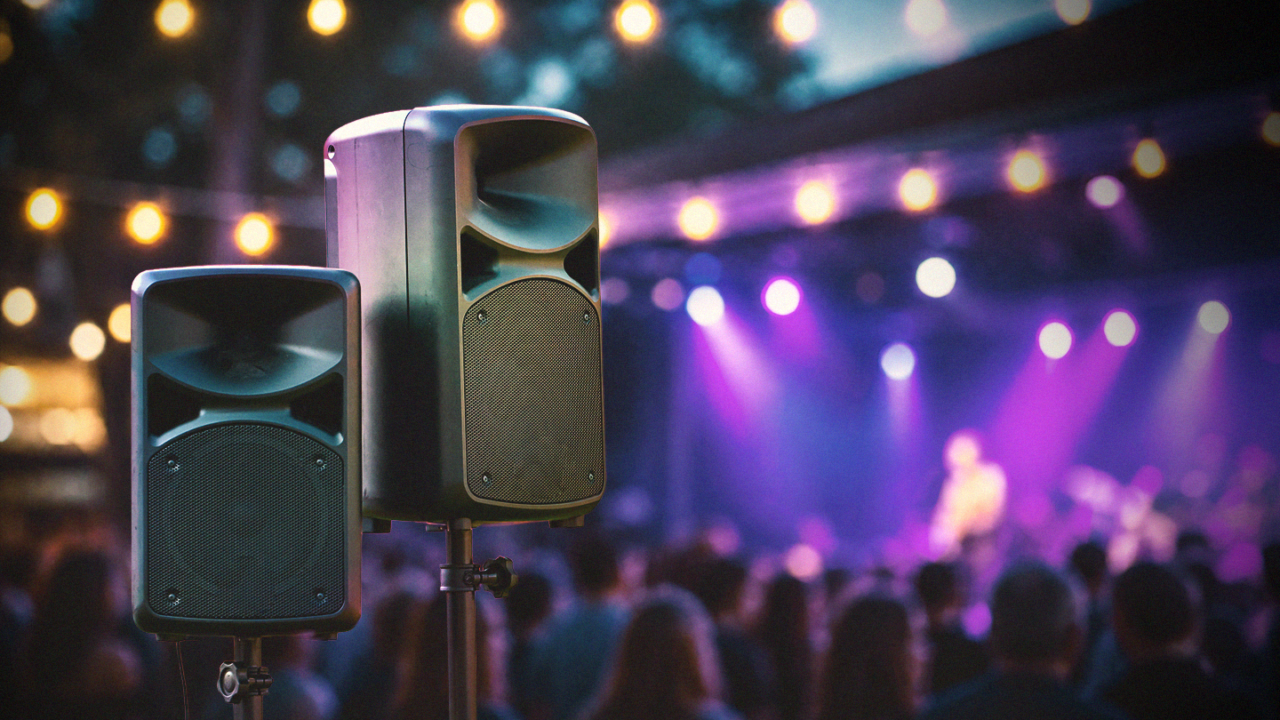

Buying your first PA system is one of those purchases that seems simple on paper. You tell yourself you need a system to amplify vocals, instruments, or backing tracks, you start comparing power, price, and size, and within minutes you’re overwhelmed by specs. Acronyms, formats, built-in mixers, column systems, full-range speakers, active subwoofers, battery-powered options, and modular setups.
The problem is that when you’re starting from scratch, you tend to look for the “best” model instead of asking the right question: which PA system actually fits my needs?
Let’s break down the real types of PA systems, the differences between column systems, full-range speakers, portable setups and modular configurations, and when it makes sense to add a subwoofer. Then we’ll move on to practical examples, with both all-in-one solutions and component-based setups, so you understand not just what to buy, but more importantly why.
Find out great deals – check out Live Days 👇🏻
PA formats you should understand before buying
Traditional full-range speakers
When people talk about a “classic” PA, they’re usually referring to a pair of full-range speakers. These are the most versatile option because they cover most of the useful frequency spectrum for vocals, instruments, playback, and recorded music. For small events, rehearsal rooms, and karaoke, a pair of full-range speakers with a small mixer is often already enough.
Full-range speakers can be active (with built-in amplification) or passive (requiring an external amplifier).
The advantages are clear: they cost less than more complex systems, are easy to understand, quick to set up, and highly flexible. However, to achieve greater low-end extension and impact, additional elements can be integrated into the system.
Column PA systems: convenience, elegance, and wide coverage
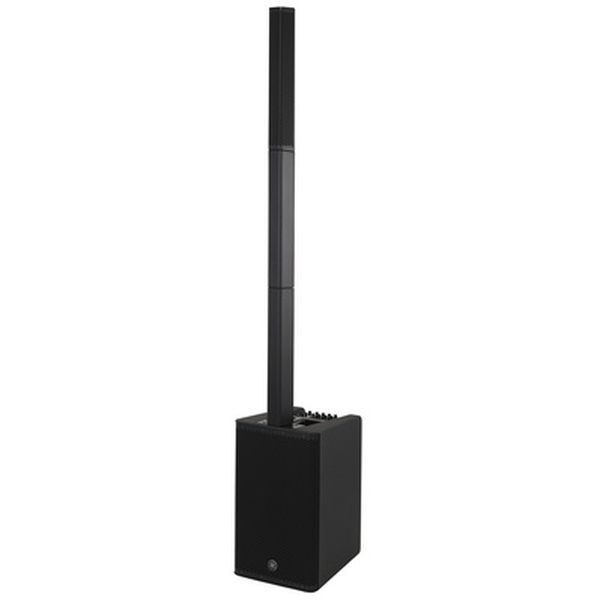
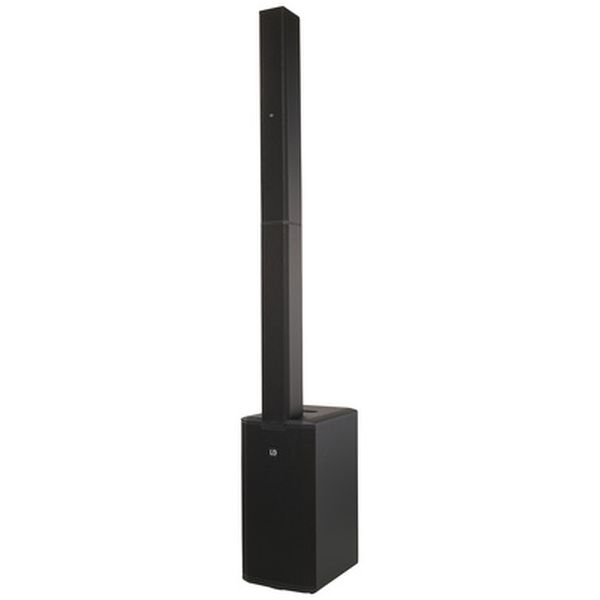
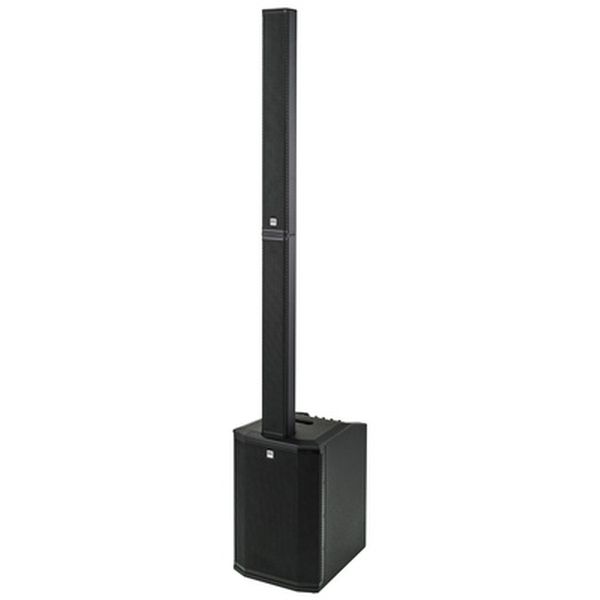
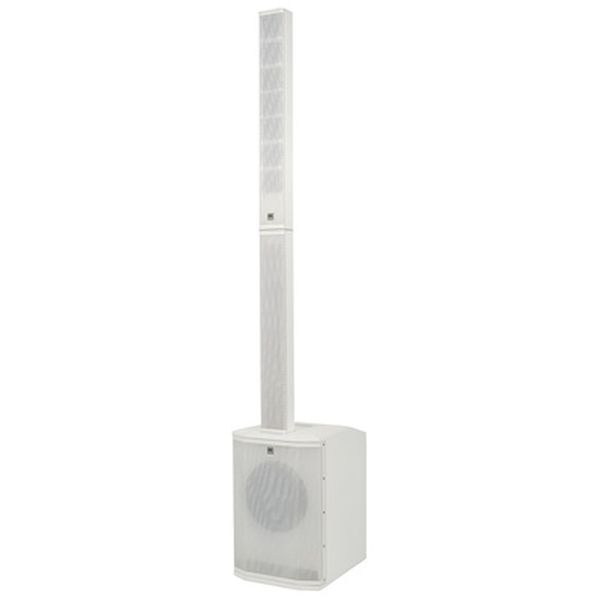
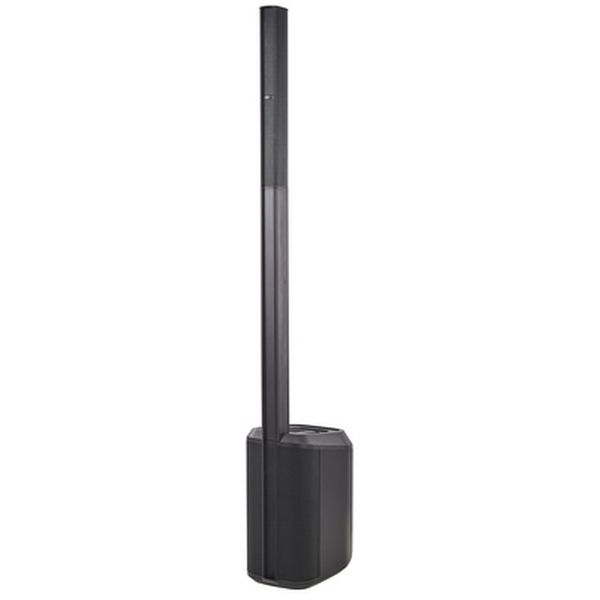
The column PA system has become extremely popular because it solves many practical problems. Typically, you have a subwoofer at the base and a vertical column with multiple small drivers, often with a built-in mixer. This format is appreciated because it sets up in minutes, takes up little space, looks clean, and works well in situations where wide, even coverage matters more than raw impact.
It’s especially suited for weddings, gala events, solo entertainers, and compact setups—although in many cases a traditional 2.1 system still delivers more bass and higher output.
In short: a column system is ideal when you want simplicity, minimal footprint, and very solid performance for vocals, acoustic guitar, backing tracks, and small live gigs.
2.1 systems or top + sub: when your PA starts to sound “big”
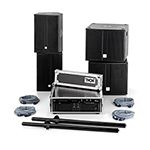
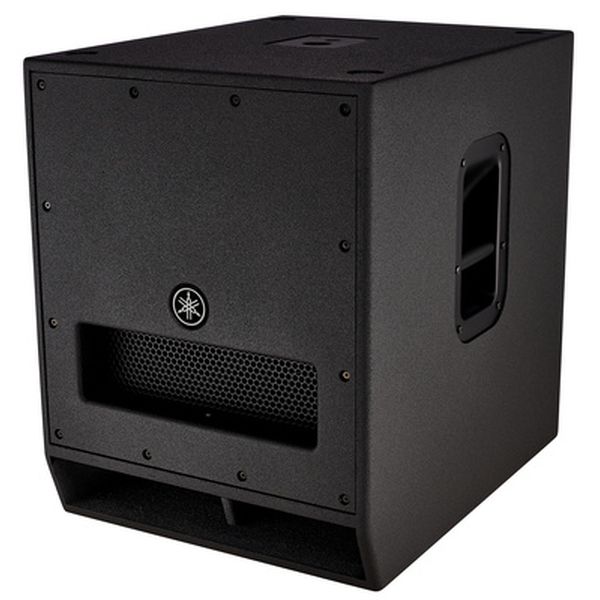
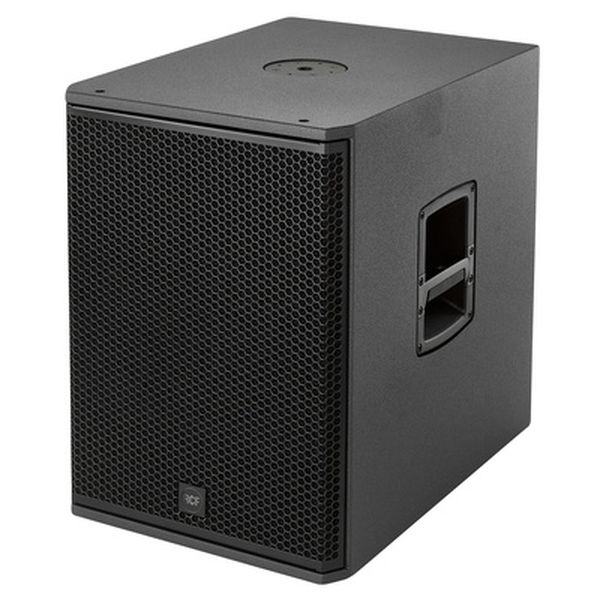
A 2.1 system or top + sub setup uses two full-range speakers as tops and one or more dedicated subwoofers for low frequencies. This is often the configuration that makes the jump from “loud enough” to a more complete and stable sound, even at higher volumes.
For acoustic bands, solo performers, DJs, and situations where strong low-end is needed, a subwoofer isn’t just an accessory—it can dramatically improve overall performance.
The trade-off is practicality: more weight, more cables, more bulk, and more attention needed during transport. But it’s also the most logical format if you plan to expand your system over time.
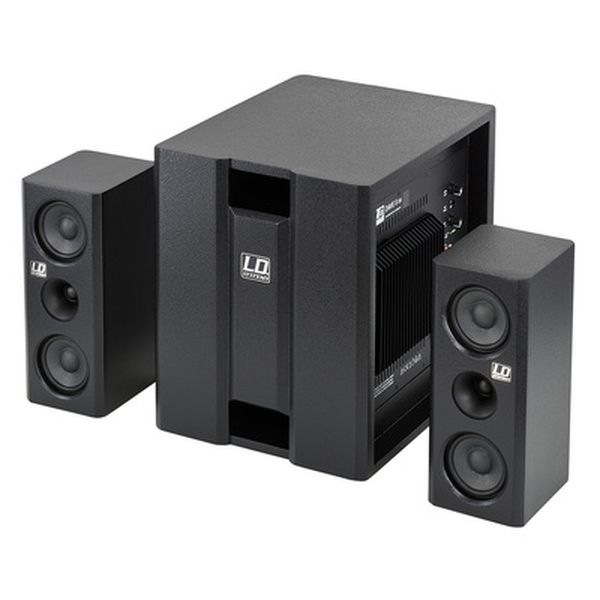
LD Systems
Dave 8 XS
Portable and battery-powered PAs: freedom first
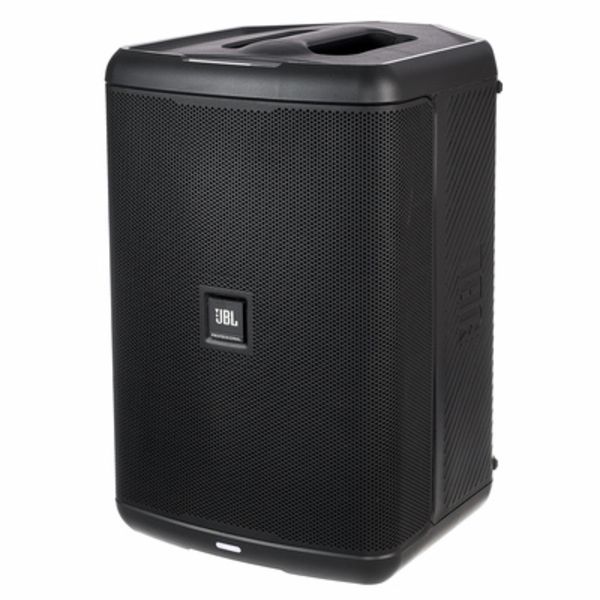
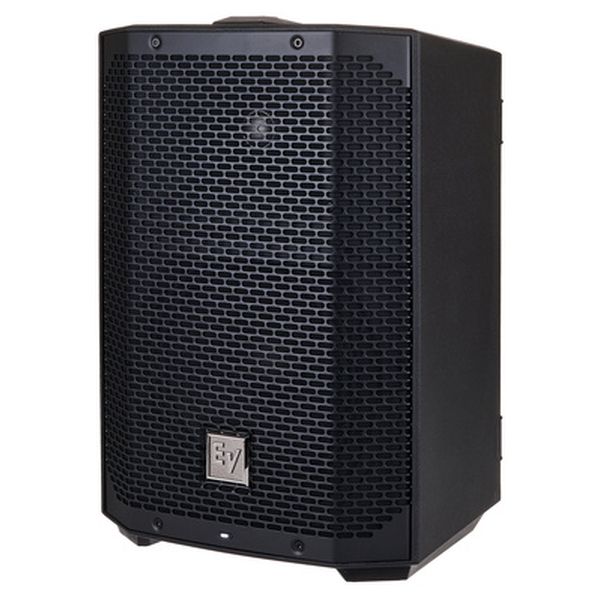
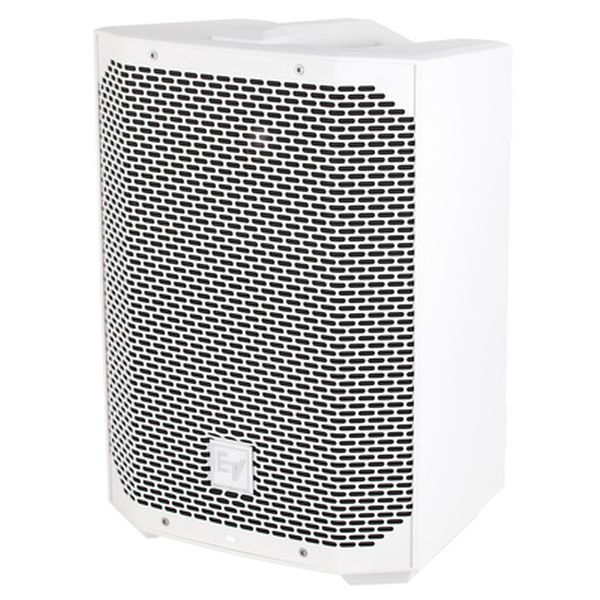
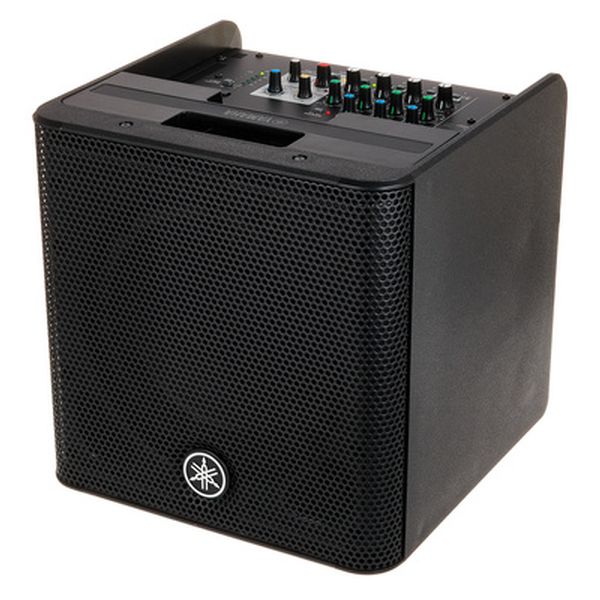
Portable and battery-powered systems make sense when your priority isn’t building a “big” setup, but having something you can use almost anywhere. This category includes compact speakers, mini PAs with built-in mixers, and systems designed for busking, conferences, outdoor lessons, small events, and mobile performances.
Here, it’s not just about the battery: inputs, DSP, effects, ducking, control apps, and real-world battery life matter a lot. Popular models in this range include the Bose S1 Pro Plus and the EV EVERSE 8, which show how today’s “portable PA” concept has become far more professional than just an upgraded Bluetooth speaker.
Active vs passive: a technical choice that matters more than you think
For a first purchase, active systems are almost always the more logical choice. Active speakers include built-in amplification and significantly reduce setup complexity. Fewer external components, fewer mistakes, and less cabling to manage.
In larger systems or permanent installations, passive setups still make sense because they centralize amplification and control. But for a first PA, the simplicity of active systems is usually a real advantage.
When you really need a subwoofer
A subwoofer is not always necessary. For speech, conferences, small presentations, lessons, rehearsal rooms focused mainly on vocals, or very minimal acoustic setups, a good pair of full-range speakers can be enough.
However, a subwoofer becomes highly recommended when you’re dealing with:
- backing tracks with strong kick and bass
- keyboards or synth bass
- cajon, drum machines
- DJ sets and dance music
- small live gigs where you want more body and headroom
- situations where you increase volume and don’t want your tops to sound strained or thin
Adding a subwoofer improves low-frequency support and, in more demanding situations, compact top + sub systems deliver significantly better performance.
A subwoofer isn’t just about more bass. It also takes workload off the main speakers, allowing them to focus on mids and highs.
In practical terms: more clarity, more perceived headroom, less system strain.
Differences between speaker sizes
8″ speakers
These are the most compact and make sense when portability and minimal footprint are top priorities. They work well for speech, small events, monitoring, and lightweight setups. However, they are rarely the best choice if you want your first PA to also serve as a main system for music with solid low-end.
10″ speakers
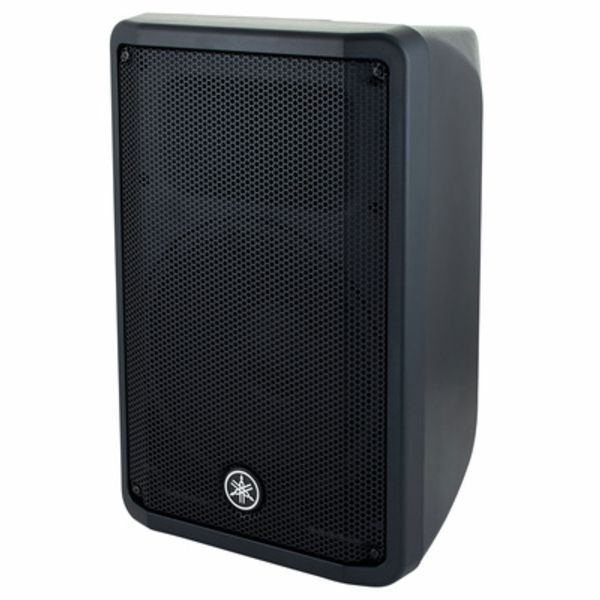
10″ speakers are often the smartest option for vocals, acoustic guitar, light keyboard use, and small live gigs—while still being easy to transport. A clear example is the Yamaha DBR10: 10″ woofer, 55 Hz–20 kHz response, 129 dB SPL, and only 10.5 kg. It’s the classic format that prioritizes speed, clarity, and portability.
Yamaha
DBR10
12″ speakers
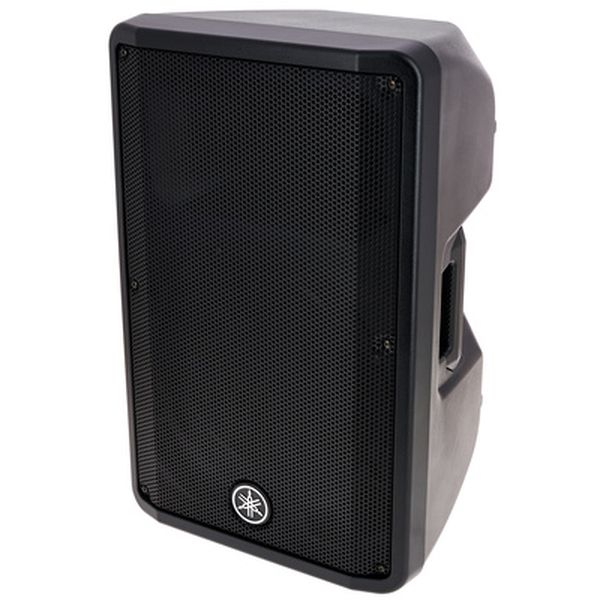
12″ speakers are probably the most balanced format to start with. They’re still manageable but offer a fuller response and more convincing output. The Yamaha DBR12, for example, features a 12″ woofer, 1.4″ driver, 131 dB SPL, 52 Hz–20 kHz response, and weighs 15.8 kg—numbers that explain why 12″ is often considered the sweet spot for a versatile PA.
Yamaha
DBR12
15″ speakers
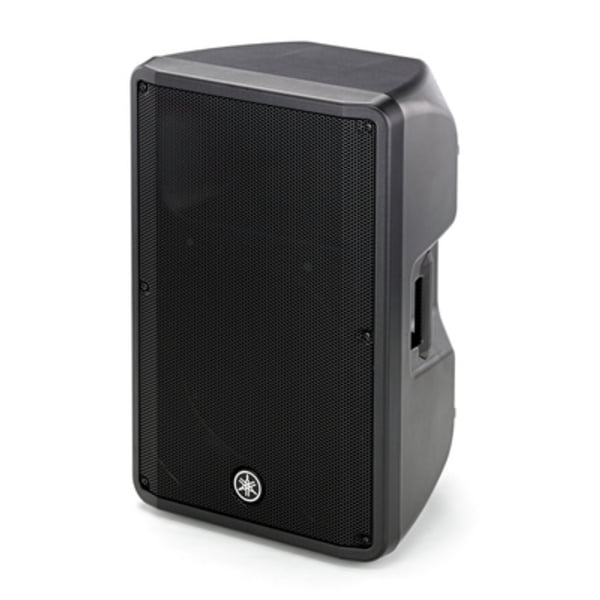
15″ speakers provide more low-end but increase weight and size. In the same DBR series, the DBR15 reaches 132 dB SPL. However, it’s important to note that a 15″ top does not truly replace a subwoofer when deep, controlled, and defined bass is required.
Yamaha
DBR15
Built-in mixer or separate mixer?
If you’re connecting a vocal and a backing track—or a vocal and a guitar—the built-in mixer in many modern systems can be enough. Compact column systems are often designed exactly for this: few channels, minimal controls, ultra-fast setup.
As soon as your setup grows in complexity, with more instruments or monitoring needs, a separate mixer becomes essential. For beginners, an analog mixer with the right number of inputs is often sufficient; if you’re working with monitors, in-ears, or a band, moving to a compact digital mixer makes much more sense.
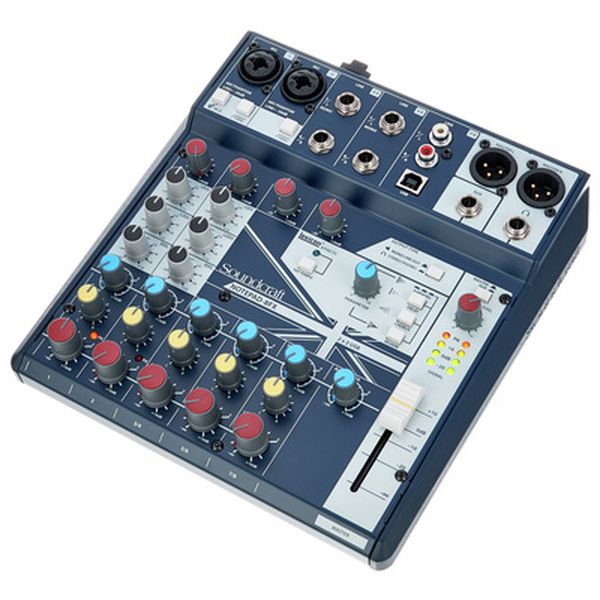
A small analog mixer like the Soundcraft Notepad-8FX offers 2 mono mic/line channels, 3 stereo channels, USB, and Lexicon effects, at around €144. It’s perfect for small setups, speech, duos, or simple live content.
Soundcraft
Notepad-8FX
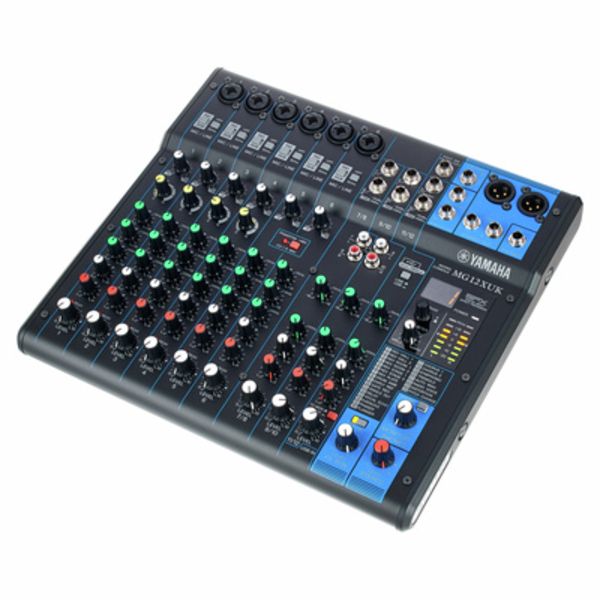
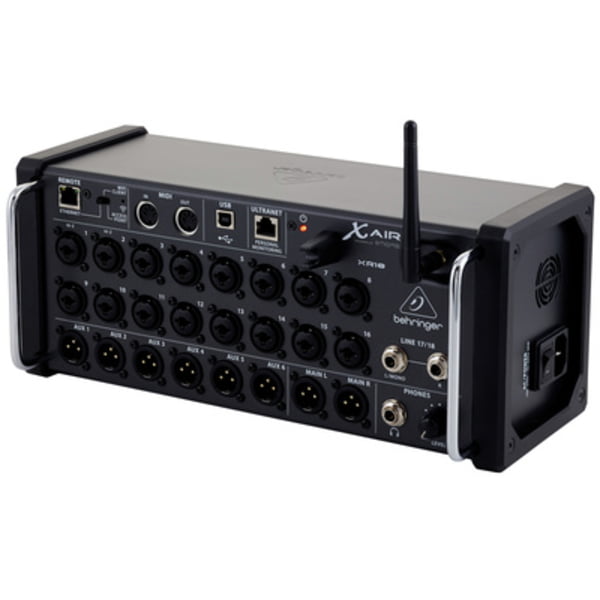
If you step up, the Yamaha MG12XU remains a classic: 12 channels and a price around €379. If you want a more advanced workflow—with more inputs, remote control, and multiple aux sends—the Behringer X Air XR18 offers 18 inputs, 16 mic preamps, six aux outputs, Wi-Fi, and effects, at about €369.
The right choice depends on how you plan to grow
If you want fast setup, minimal footprint, and an elegant solution, a column system makes perfect sense.
If you want maximum flexibility and expect your system to evolve over time, a pair of active full-range speakers with a separate mixer is often the best foundation. And if you already know you’ll be using backing tracks or electronic elements, the subwoofer stops being optional and becomes the part of the system that truly changes the result.
The most useful advice is to picture your next six months of real-world use. How many sources will you connect? How often will you set up on your own? Do you need a system for rehearsal rooms, stages, street performance, or a fixed venue? The right answer almost always comes from there. And once that’s clear, choosing becomes much easier.
Need expert advice? We’ve got you covered!
Not sure which audio system best suits your needs? Our team is here to help you find the right solution—no stress, no guesswork.
You can contact us quickly and easily:
- 📞 Phone: +49-9546-9223-35
- 📧 Email: pa@thomann.de
Our support team is available to guide you—from small setups to more complete systems.











Comments 0
No comments yet.