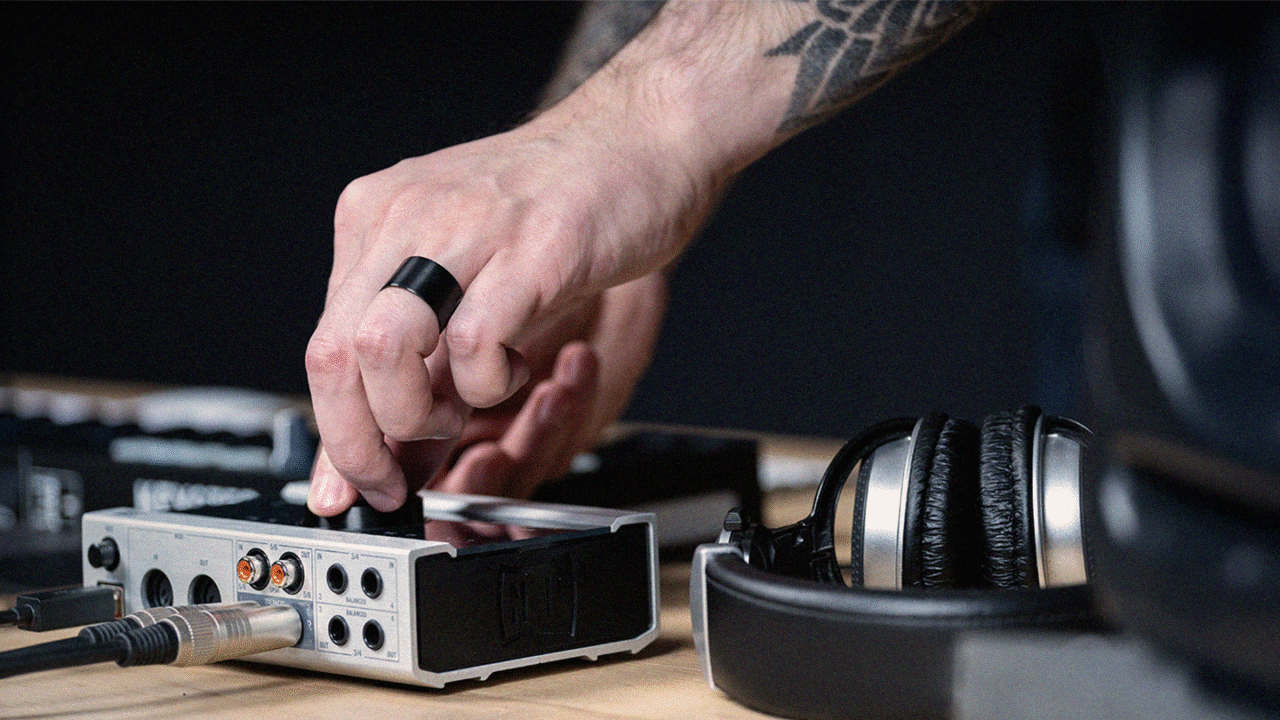

One of the most important pieces of gear for anyone who wants to record and produce music is the audio interface. As the link between audio signals and a computer or smart device, it plays an essential role in any studio. Accordingly, there are many different models to choose from, and you’ve probably already asked yourself: Which audio interface do I need, and which one is best for me?
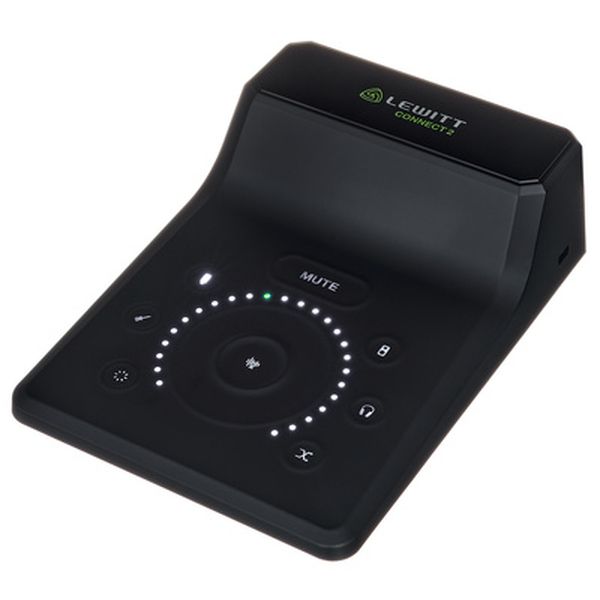
Lewitt
Connect 2
Audio interfaces – the most important features
There are many criteria for distinguishing between various interfaces. The most important one is the number of inputs and outputs that can be used simultaneously. In the simplest case, a stereo output is sufficient. If you really only work in-the-box and never want to record your own samples or microphone signals, all you need to do is connect a pair of active speakers to the outputs. But make sure there is a headphone jack!
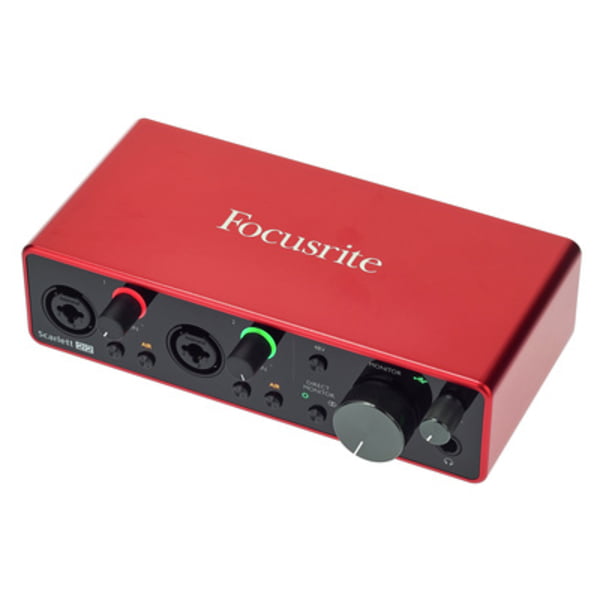
Focusrite
Scarlett 2i2 3rd Gen
Different types of inputs
However, you’ll probably be very happy to have inputs. Important to know for anyone wanting to record acoustic instruments, speech, vocals, or ambient sounds for sound design: microphones can only be connected to microphone inputs. Line inputs, on the other hand, are used to connect the outputs of external mic preamps, synths, effects, or mixers.
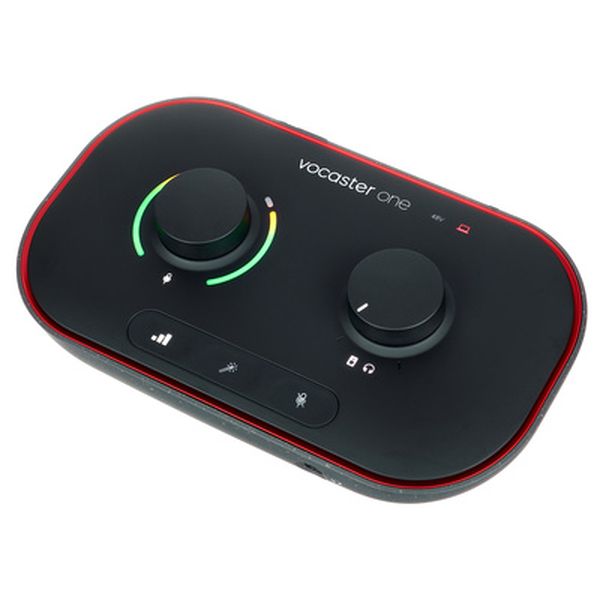
Focusrite
Vocaster One
If you want to record in the best quality possible, we recommend investing in a high-quality interface with boutique-class mic preamps. But don’t worry: as many interfaces are quite affordable these days, you can get great-sounding devices for very little money!
An additional instrument input is particularly useful if you’d like to record electric guitar and bass. This allows you to use software effects and virtual amp simulations directly without any further effort!
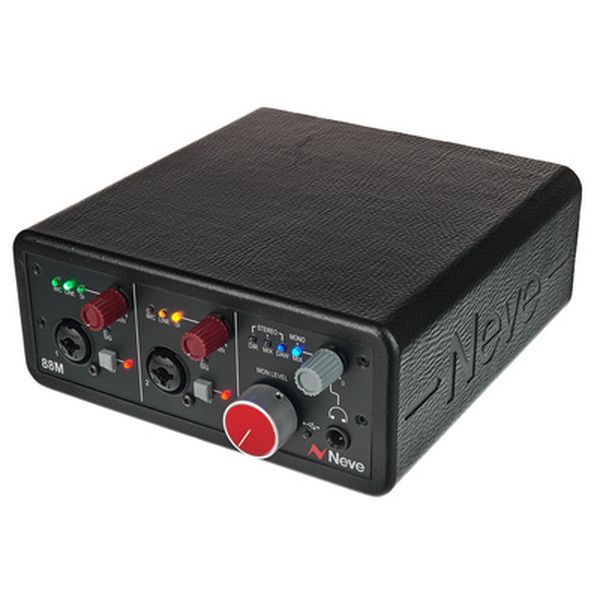
Neve
88M
Audio interfaces – the number of channels makes a big difference
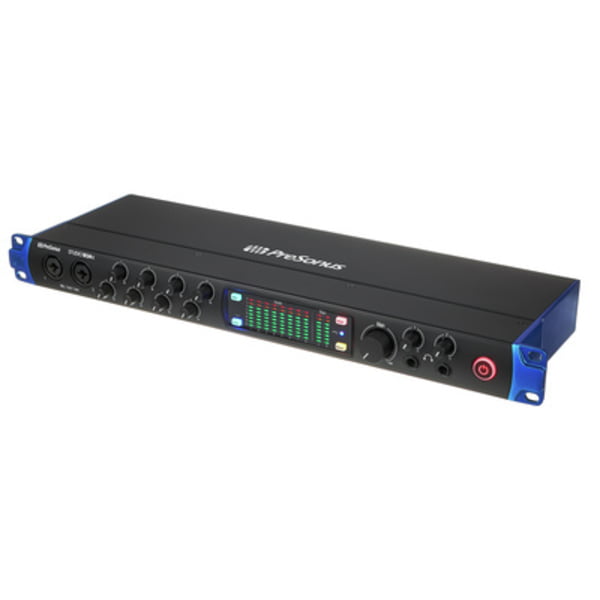
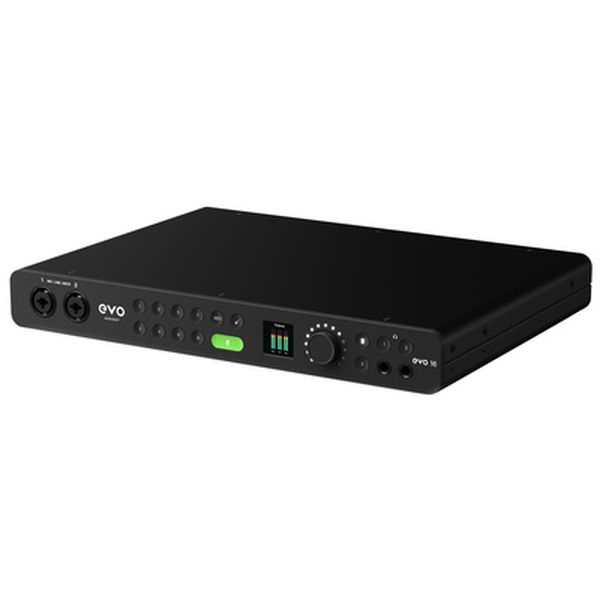
To record a miked drum kit or an entire band, you need a lot of inputs. If you want to run sounds from the computer through hardware effects units or an analog summing mixer, you also need a lot of outputs. This is where audio interfaces with a high channel count come into play. Many of them can also be cascaded or expanded with additional inputs and outputs using digital formats such as ADAT!
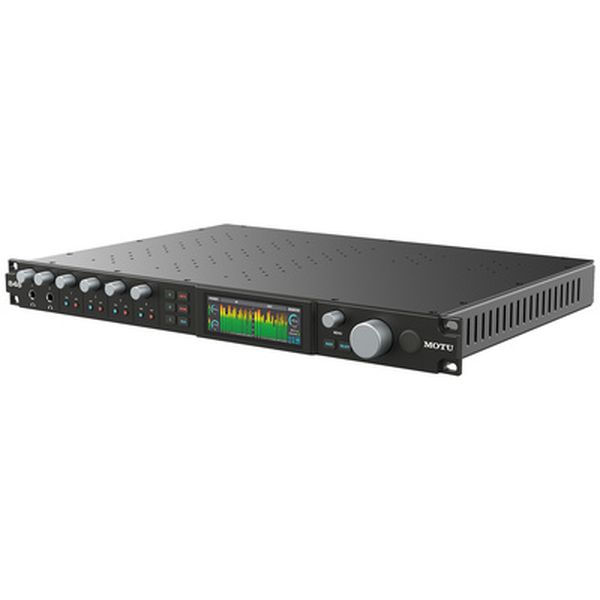
Don’t forget about monitoring
Monitoring is another important consideration. As a bare minimum, you’re going to want a volume knob for turning your speakers up or down. In addition to this, some interfaces allow you to mute your speakers, switch between different pairs, listen in mono, or even talk to the musicians in another room via a talkback microphone. Do you need to record several musicians simultaneously? Then multiple built-in headphone amplifiers are very helpful!
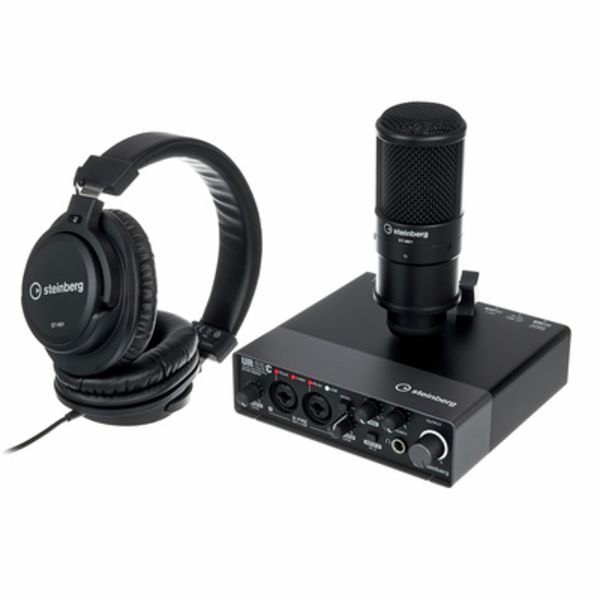
Steinberg
UR22C Recording Pack
In order to sing or play along to music, it must be possible to adjust the ratio between the playback and the microphone signal – this is known as direct monitoring. To prevent the monitor signal from sounding too dry, some interfaces are equipped with their own built-in effects processors, which allow you to add reverb to the vocal track, for example. Many interfaces come with a dedicated control app that lets you conveniently control these settings from the computer.
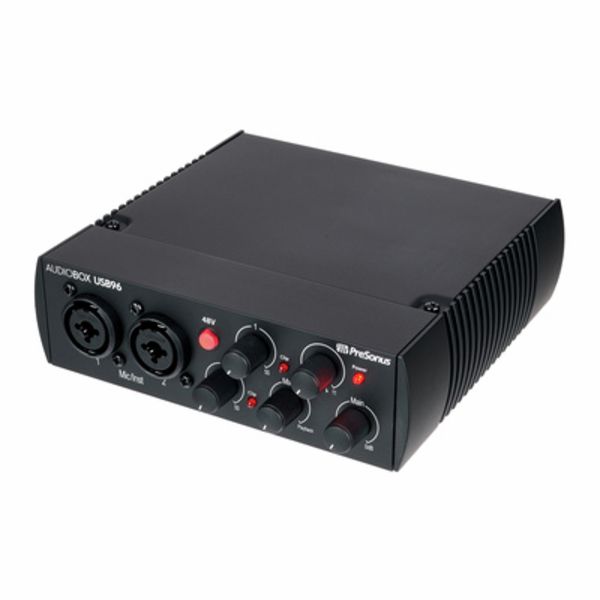
Presonus
AudioBox USB 96 25th Anniv Ed
Audio interfaces are available in different sizes
If you have limited space or want to use the audio interface on the go, small desktop interfaces are a good choice. These often do not require an additional power supply and many are also compatible with smart devices such as tablets. In larger setups, you’ll certainly appreciate the option to install the interface in a 19-inch rack.
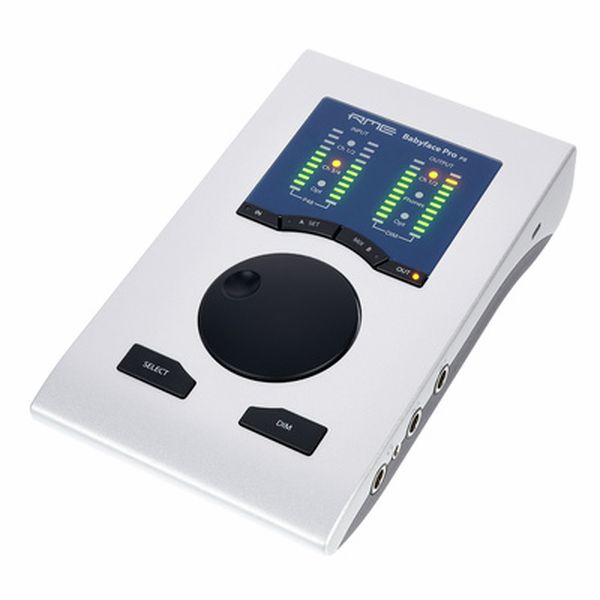
RME
Babyface Pro FS
Audio interfaces: the most popular brands
RME
RME interfaces have been considered the gold standard for stability for years. Well-designed drivers and durable hardware ensure high reliability, as is the case with the Babyface Pro FS.
RME
Babyface Pro FS
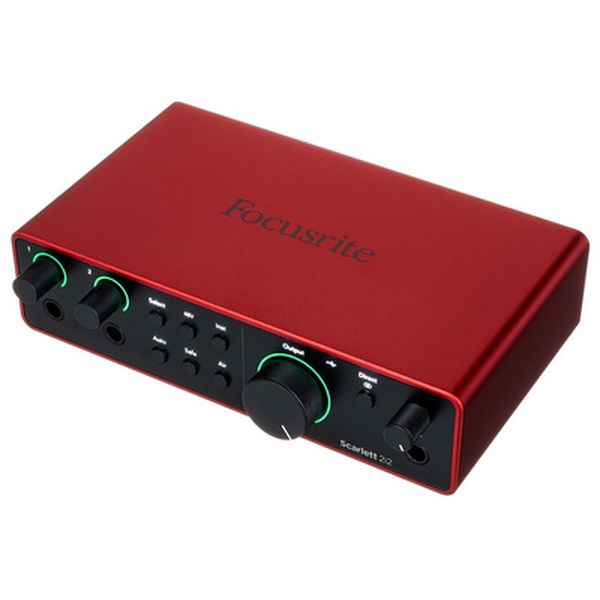
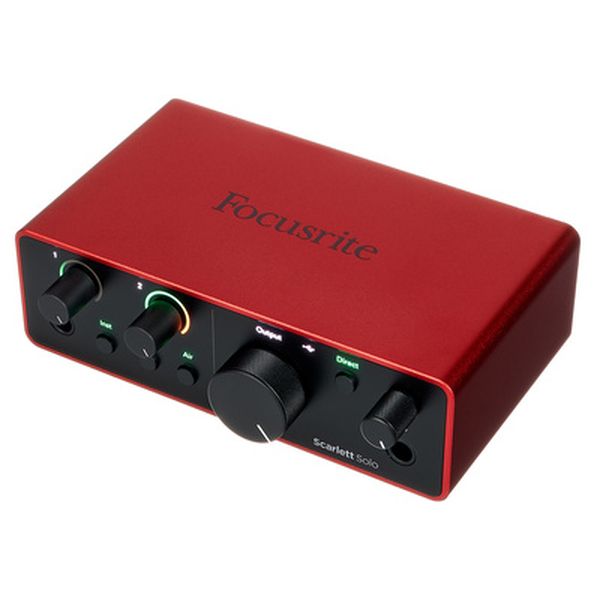
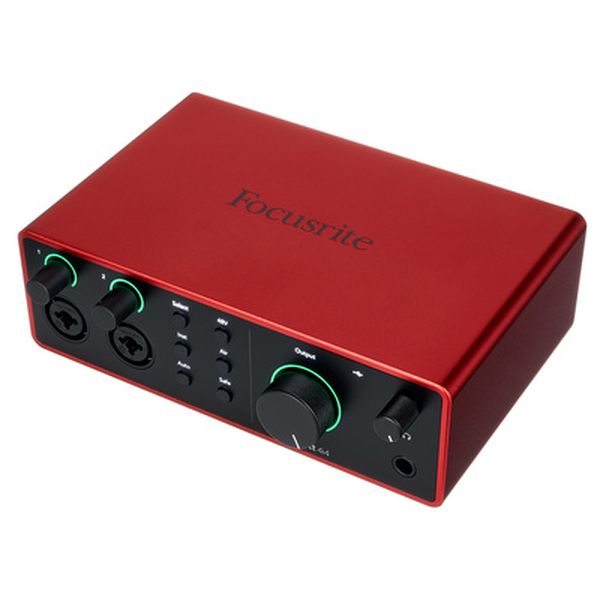
Focusrite: Scarlett series
The Focusrite Scarlett series includes some of the most widely used interfaces, thanks in part to their excellent value for money. They’re available in different sizes and are used for everything from home recording to podcasts.
Universal Audio
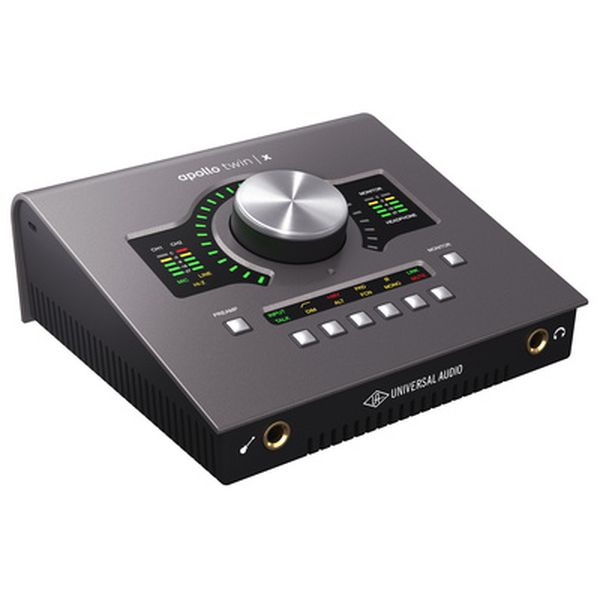
Those looking for a classic in the semi-professional to professional sector often opt for the Universal Audio Apollo Twin Duo or Quad. The UAD plug-ins have been a studio standard for years, and the Unison preamps are also highly regarded in professional studios.
Universal Audio
Apollo Twin X USB Heritage
Motu
The Motu M series is a fixture in the home studio segment. With excellent converters at an affordable price, very low latency, and outstanding metering, the M2 and M4 have become classics.
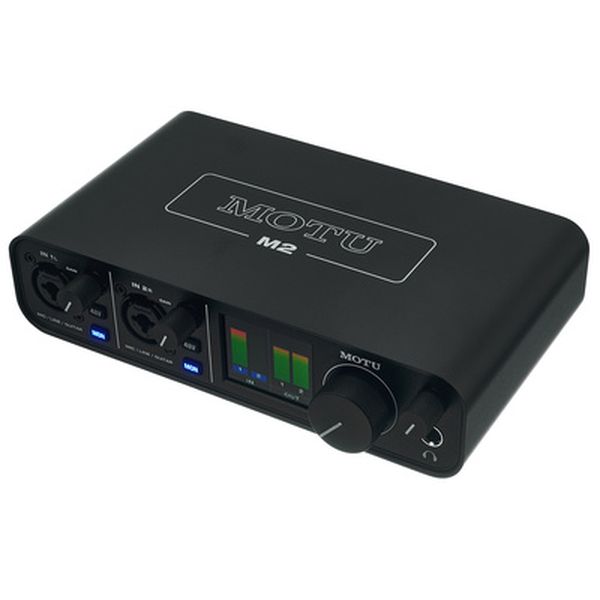
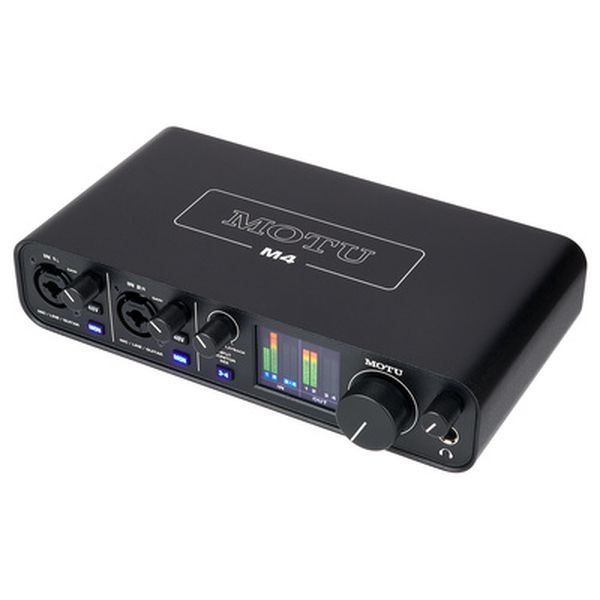
Audient
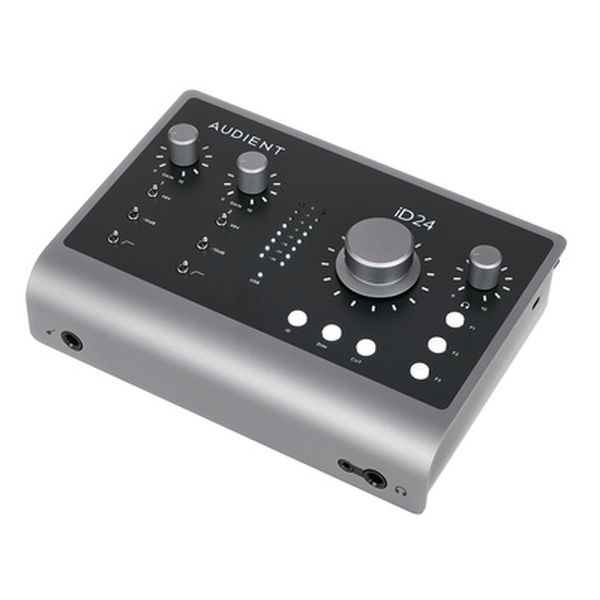
If you’re looking for ‘console sound’, be sure to check out the iD4, iD14, and iD24 interfaces from Audient’s iD series. Their high-quality preamps enjoy an excellent reputation among recording professionals.
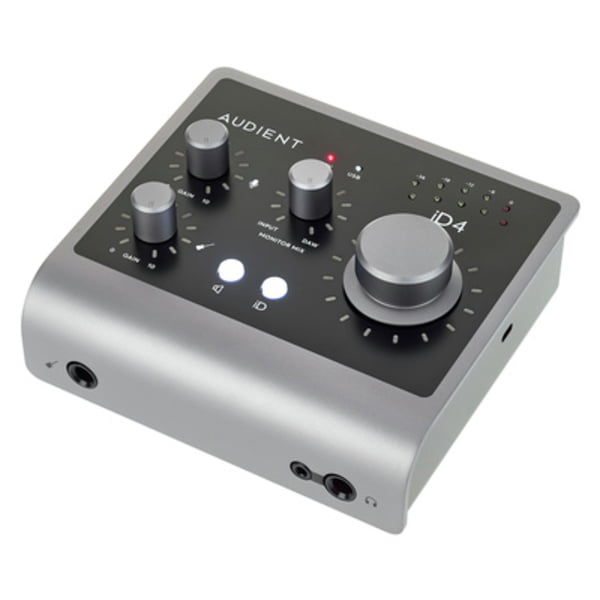
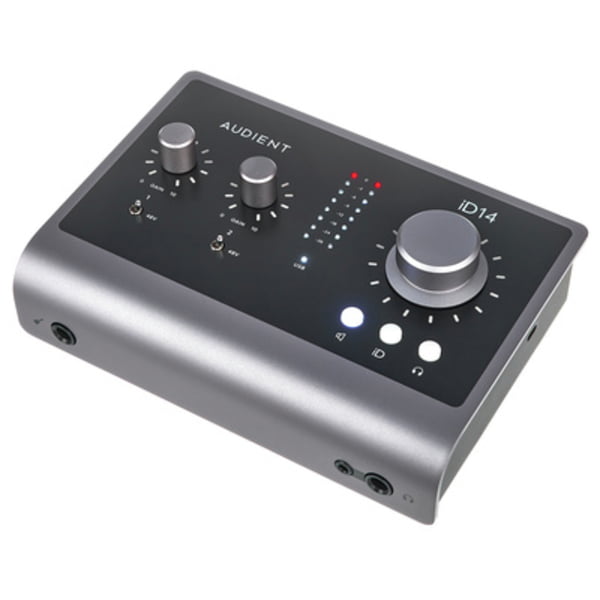
Steinberg
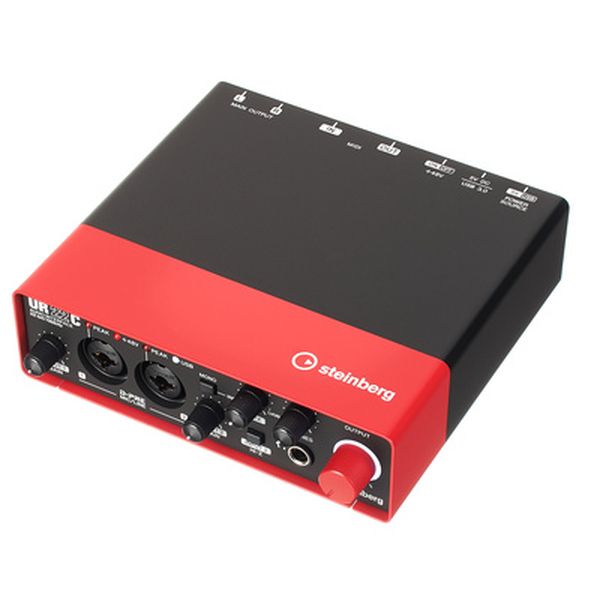
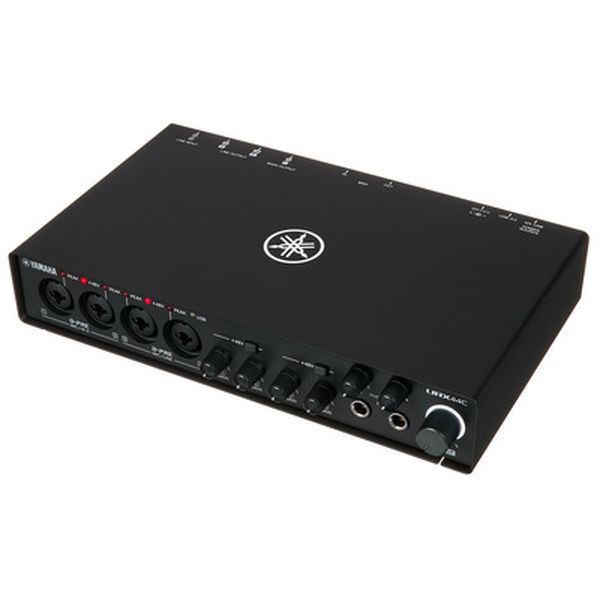
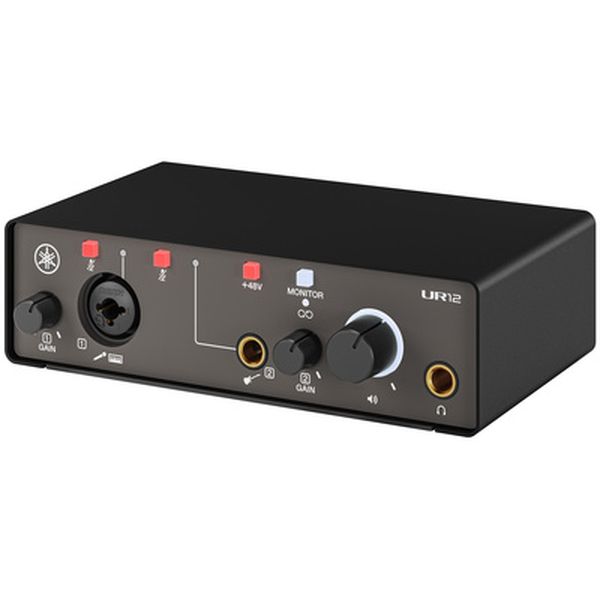
The interfaces in Steinberg’s UR series are popular because of their robust Yamaha preamps and are often combined with Cubase, but they also work with other software. They’re also available in different configurations.
Presonus
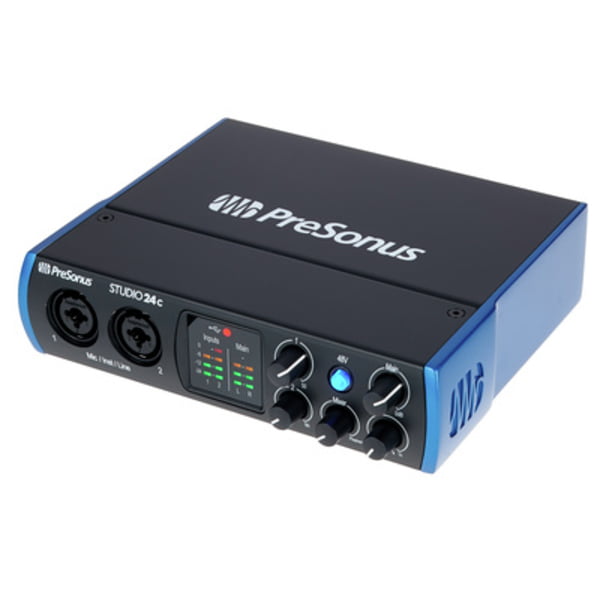
The Presonus AudioBox USB / Studio series is a true classic in the entry-level class. The interfaces, which are often available in bundles, have been on the market for quite some time, and the drivers are correspondingly stable.
Which audio interface do I need? – Conclusion
With these tips, you should now be able to quickly find the best audio interface for your needs. By determining the number of inputs and outputs needed, the required monitoring capabilities, and your preferred form factor, you can narrow down the selection considerably.
In our shop, you’ll find various audio interfaces sorted by connection standards – USB interfaces are by far the most popular. And you can always reach our product specialists via the ‘Need help?’ button on each product page. They’ll be happy to help – free of charge and without obligation!
If you prefer to contact us by phone, you’ll find all our contact details here.
You’re also welcome to drop by our Thomann shop in Treppendorf and ask us any questions you may have about audio interfaces. Together, we’re sure to find the perfect interface for you.
Rode
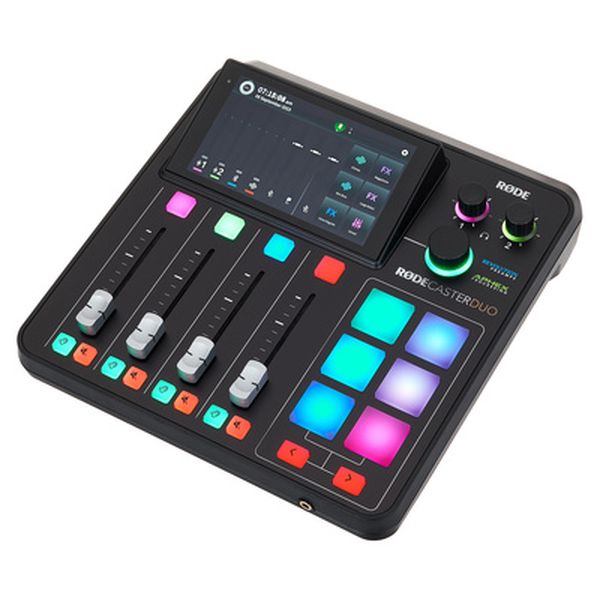
Rodecaster Duo
Which audio interface: questions, tips, and more
If you have any questions, tips, or suggestions on the subject of audio interfaces, or if you want to let us know which is your favourite audio interface, feel free to leave us a comment!





Comments 0
No comments yet.