
Choosing Your Guitar Amp: So, you’ve taken the plunge and decided to learn the guitar. It’s a great decision, and now it’s time to get yourself properly equipped for your first lessons. The guitar is important, of course, but you shouldn’t overlook what’s happening at the other end of your jack cable. We’re talking about the electric guitar, and the amplifier is an essential part of the equation. And when you consider that Thomann lists no fewer than 1,870 electric guitar amplifiers, a little guidance is certainly welcome.
An Amplifier in Three Parts

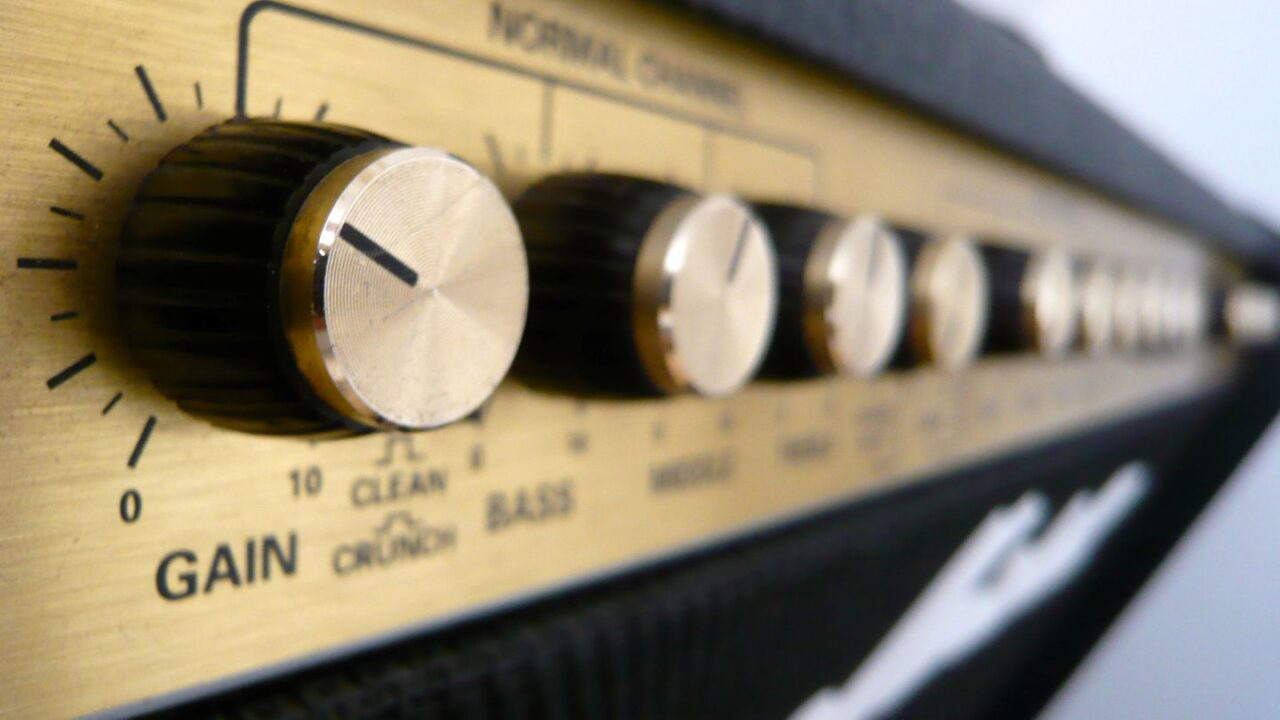
To begin with, it’s important to understand how an amplifier works. What we commonly call a combo amp actually consists of three distinct sections. First comes the preamp, which boosts the very low-level signal coming from the guitar’s pickups and applies processing such as EQ, distortion or reverb. Next is the power amp, which, as its name suggests, determines the overall output volume. Finally, the power amp feeds the speaker (or speakers), which converts the signal into air vibrations, and happily does its best to destroy our eardrums.
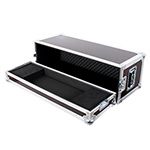
When we talk about a guitar amplifier, there are actually several variations of this setup. A combo combines all three functions into a single unit, whereas a stack separates the preamp and power amp into a head, with the speakers housed in a separate cabinet. For the sake of practicality and ease of use, a combo is undoubtedly the better choice for beginners.
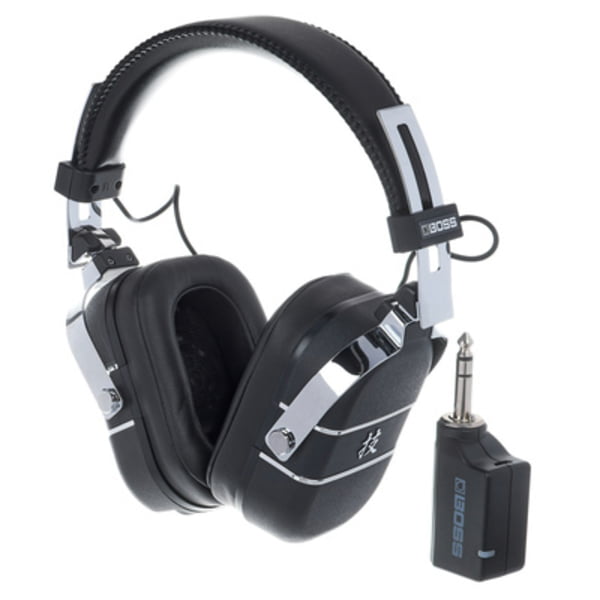
Boss
Waza Air Guitar Headphones
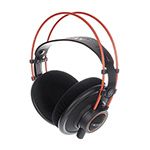
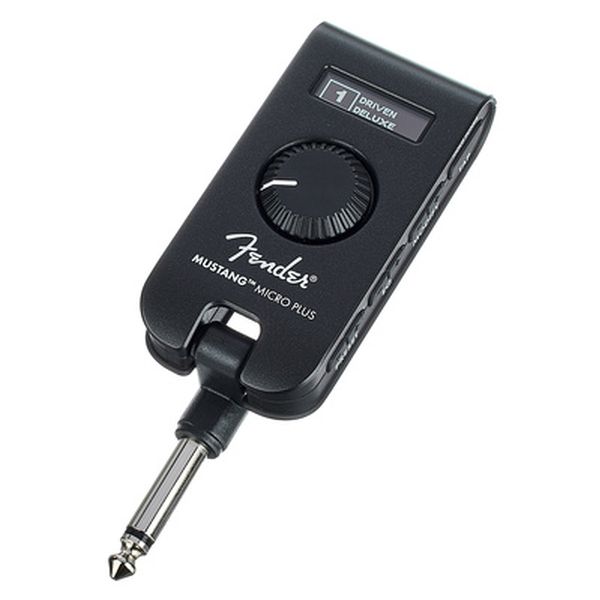
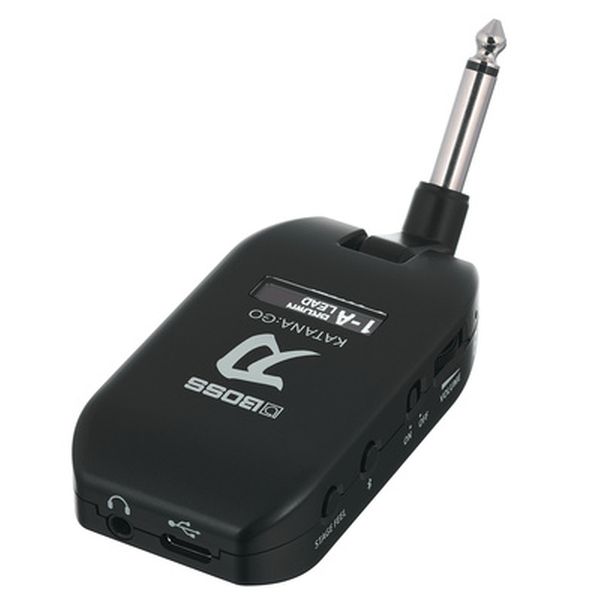
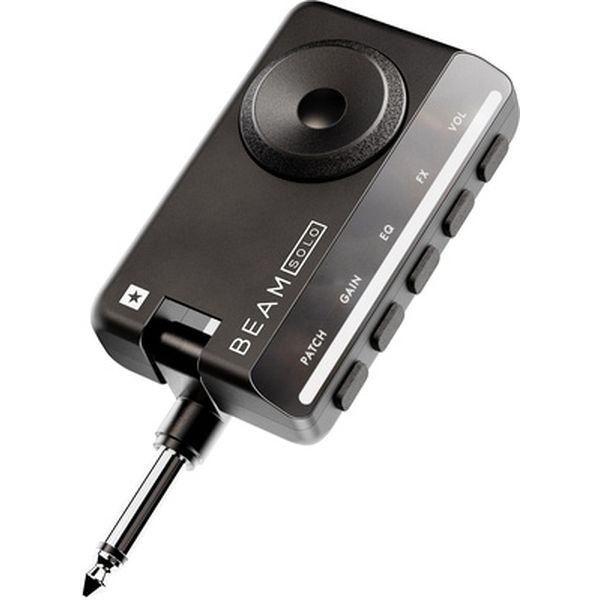
There are also standalone preamps without a built-in power amp or speaker. In that case, you’ll need to use headphones, allowing you to practise without disturbing anyone. There are plenty of options available, such as the Fender Mustang Micro Plus, the Boss Katana Go or the Blackstar BEAM Solo. There are even complete systems built directly into a pair of headphones, such as the Boss Waza Air or the Positive Grid Spark Neo. That said, while these preamps can deliver excellent sound, your ears are likely to fare better with a real amplifier. When using headphones, it’s not always obvious just how loudly you’re playing, and long practice sessions at high volume can take their toll.
Valve, Transistor or Digital?
In the world of guitar amplifiers, there are generally three main types of technology: valve amps, transistor amps and digital amps. There are, of course, hybrid designs that combine several technologies, but for now let’s keep things simple.
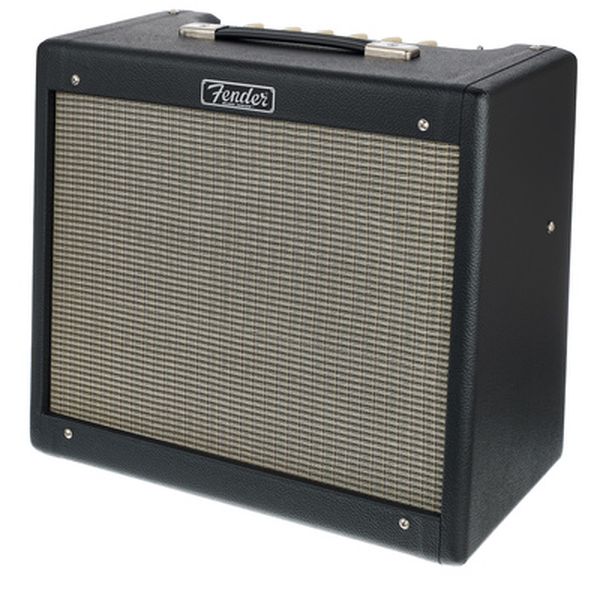
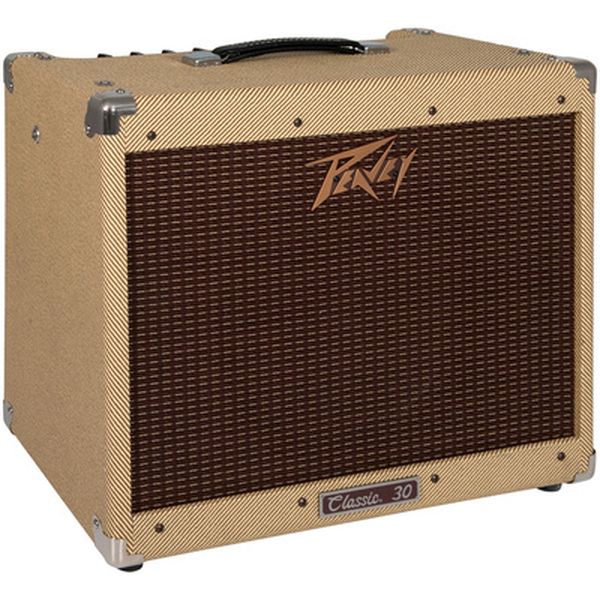
Valve amplifiers are the oldest technology and are generally the simplest in terms of controls. Their greatest strength is their sound rather than a wealth of features. They’re chosen for their distinctive character, which can be either an advantage or a limitation depending on what you’re looking for. Unless you already know exactly the tone you’re after, a valve amp is probably better considered as a second step. If you’re passionate about the blues and have no interest in exploring other styles of sound, you can happily start with a Fender Blues Junior IV or a Peavey Classic 30 II, and there’s every chance you’ll never need anything else.
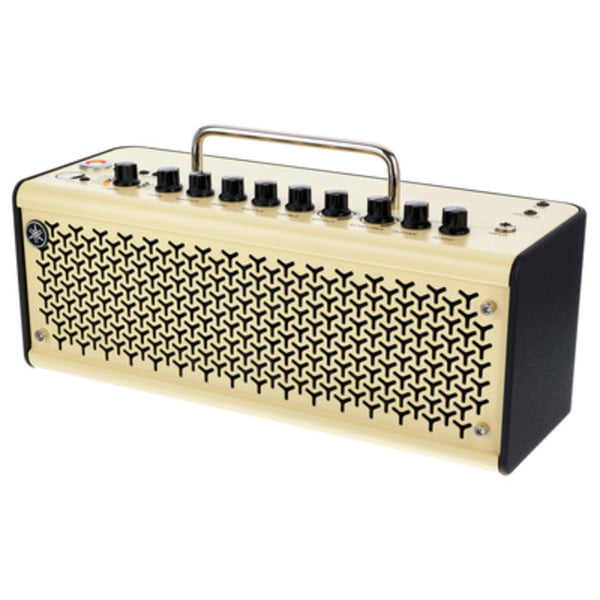
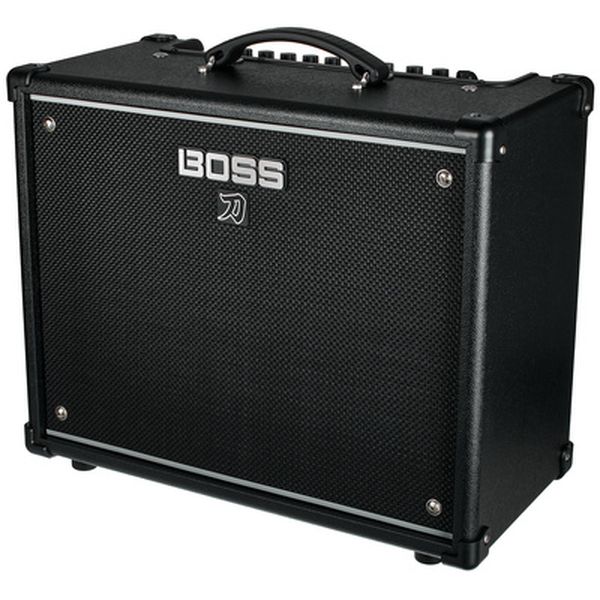
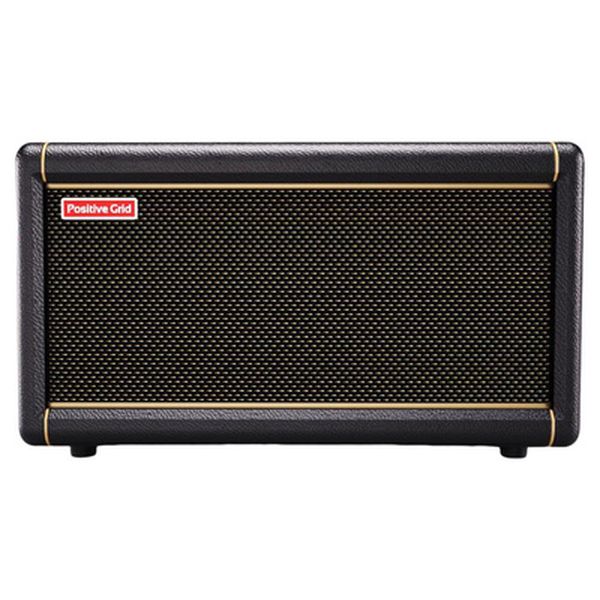
Digital amplifiers are the complete opposite. They use much more recent technology, offering almost limitless possibilities, especially in the case of amps that can be configured via a smartphone app. They’re an excellent way to explore a wide range of tones and discover what really suits your playing style. They also tend to include built-in effects (at the very least reverb and distortion, but often delay and modulation effects too), along with a tuner and handy extras such as a looper, drum machine or Bluetooth speaker. Some of the best-known models include the Yamaha THR-10II, the Boss Katana 50 Gen 3 and the Positive Grid Spark 2. Their only potential drawback is that they can be more complex to set up, so it’s worth making sure the interface feels intuitive enough that you spend more time playing than tweaking your sound.
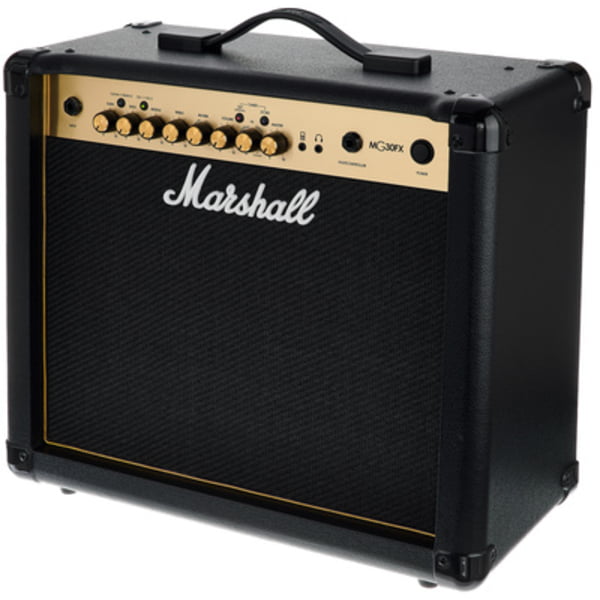
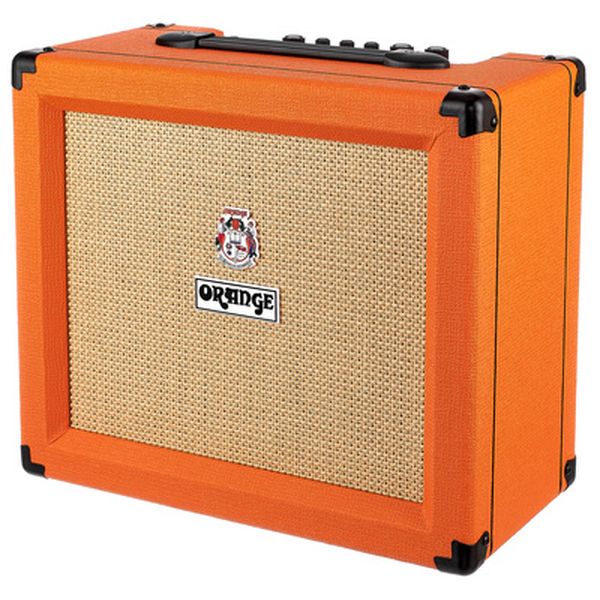
Transistor amplifiers strike an appealing balance. They’re simpler than digital amps, yet more robust and more affordable than valve amps. Their straightforward, practical approach makes them particularly well suited to beginners, especially models that still offer a reasonable amount of tonal flexibility. The Marshall MG30GFX is a classic in this category, not least because it includes built-in digital effects and a tuner, but the Orange Crush 35RT is another excellent option.
How Much Power Do You Need?
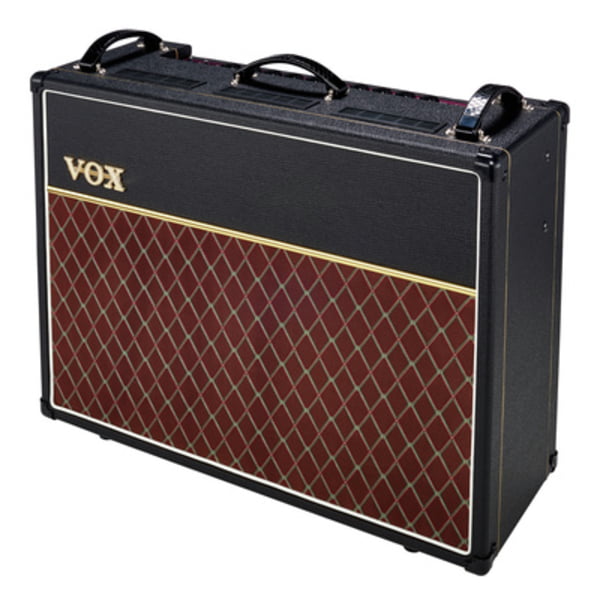
An amplifier’s output is measured in watts, but that’s only a partial indication of how loud it will actually be. Anyone who’s had the pleasure of hearing a Vox AC30 C2 cranked up knows that, despite producing “only” 30 watts, it has nothing to envy from most 100-watt amplifiers! Even so, wattage remains a useful guideline.

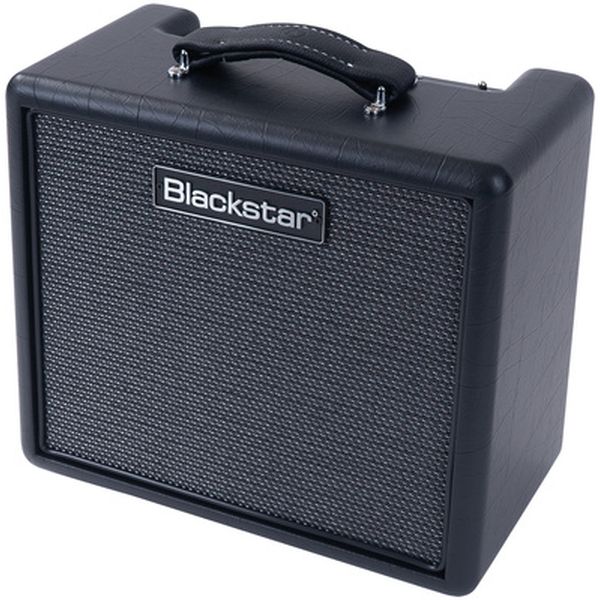
For home practice, around 10 watts will be more than enough. With a valve amp, you can even go as low as a single watt, since valve watts are significantly louder in practice. That’s exactly why Blackstar launched the HT-1R MkIII, an amp that has earned an outstanding reputation.
If you plan to play with a band, however, especially alongside a drummer, you’ll need a bit more power: around 50 watts for a transistor amp or roughly 15 watts for a valve amp.
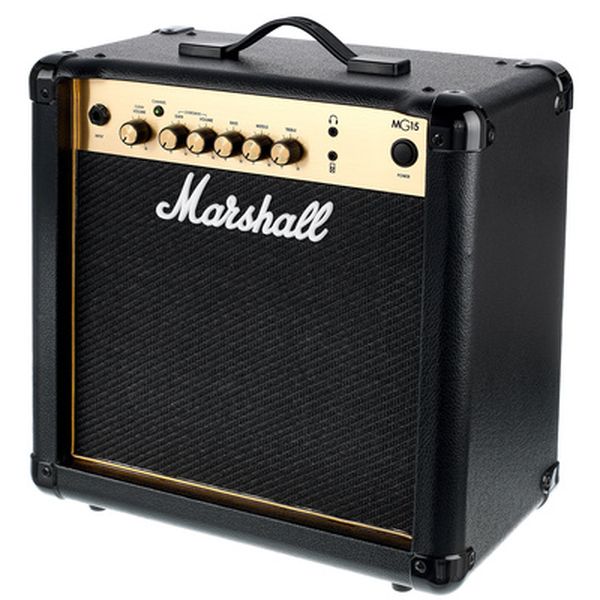
That said, don’t overlook the size of the speaker. Most manufacturers reserve larger speakers for their higher-powered models. Marshall, for example, fits an 8-inch speaker in the MG15G and a 10-inch speaker in the MG30GFX. So even if you don’t actually need 30 watts and 15 watts would be perfectly sufficient, the fuller, bigger sound delivered by the larger speaker may well justify the extra investment.
Whatever you choose, the most important investment will always be the time you spend with your guitar in your hands. And if your amplifier sounds great, you’ll have one more reason to keep playing… quite literally!
This article is an adaptation of a piece originally written by Julien Bitoun, who is credited as the author of the original French t.blog article.








Comments 0
No comments yet.