


Royer Labs R-12

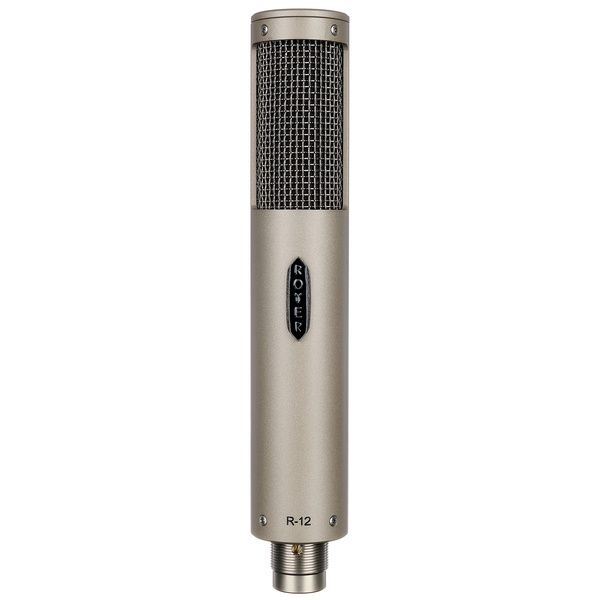
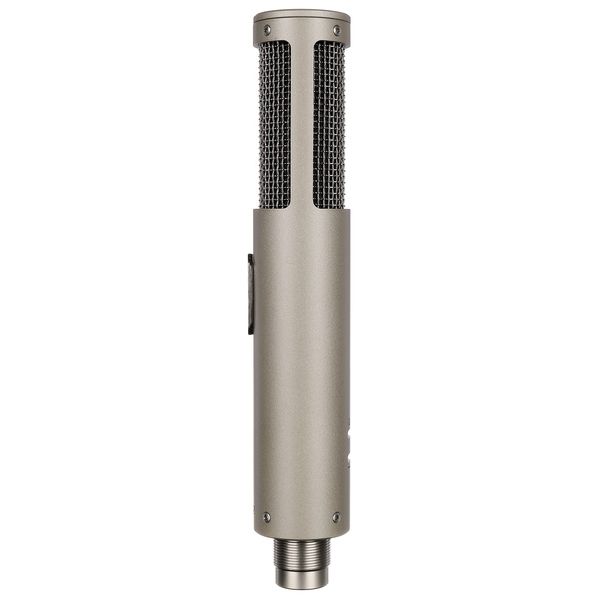
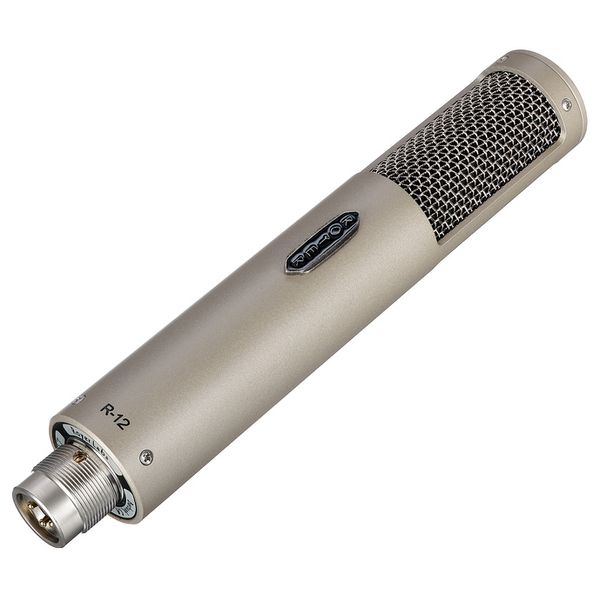
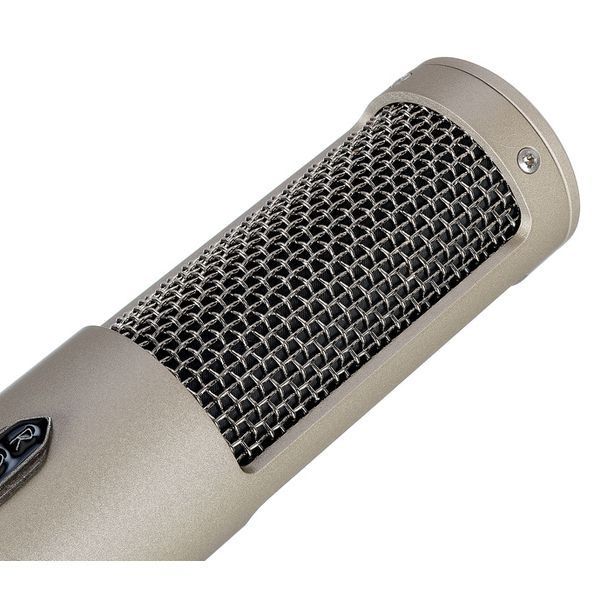
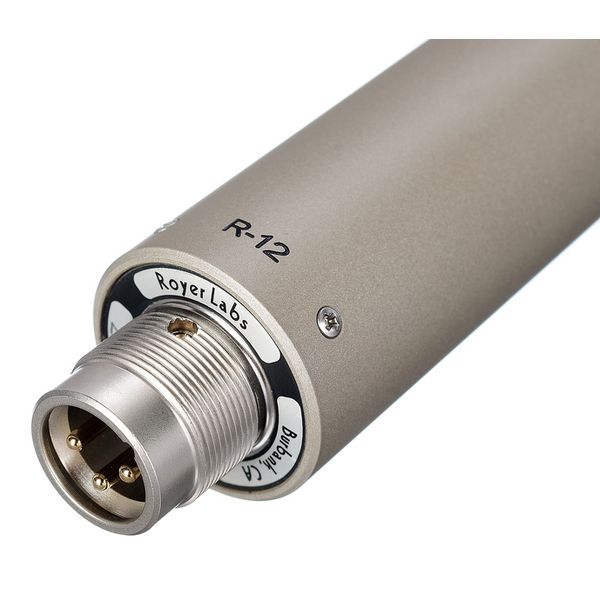
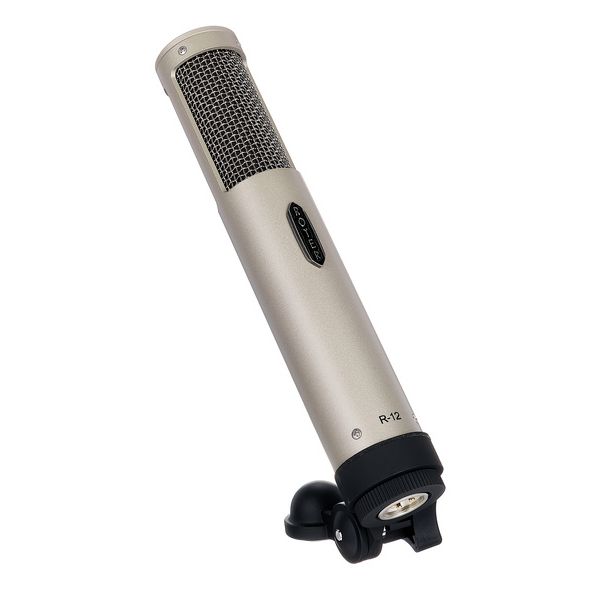
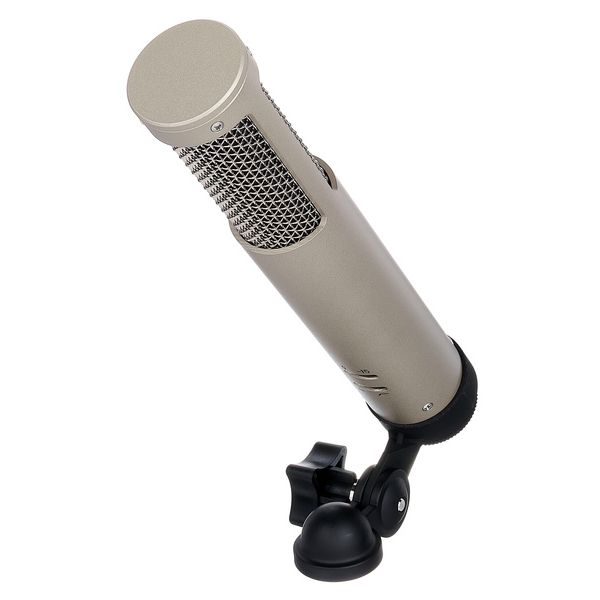
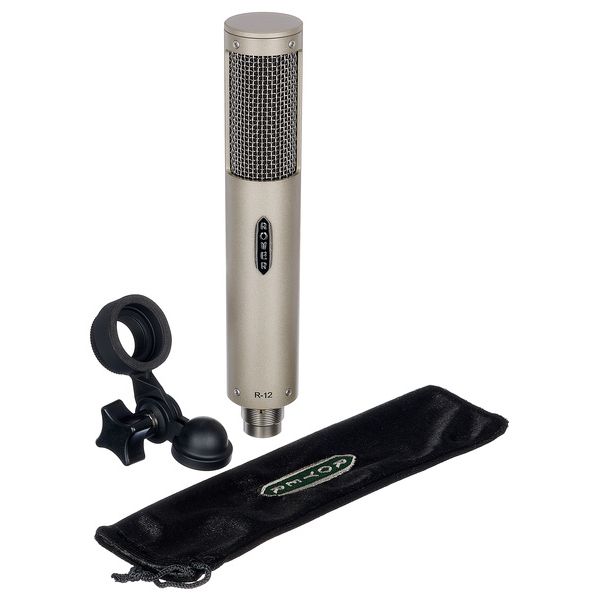


Ribbon Microphone
- Electrodynamic pressure gradient with active electronics
- Polar pattern: Figure Eight
- Frequency range: 30 Hz - 15,000 Hz
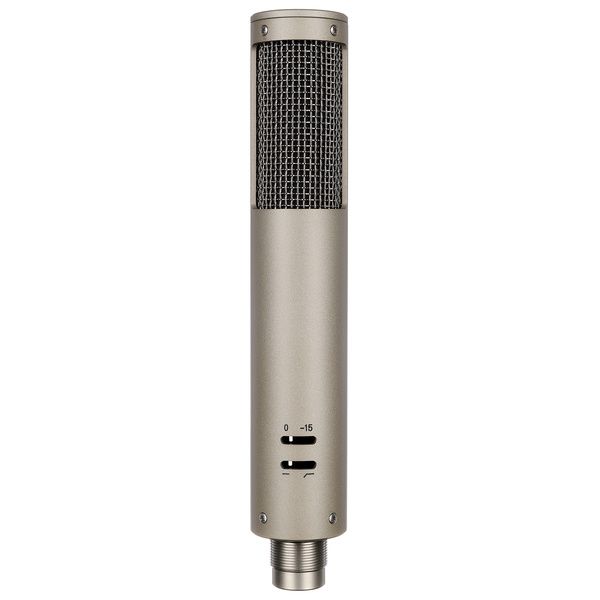
- Sensitivity: -36 dB (re. 1V/pa), -15 dB pad switchable
- Low-cut: 100 Hz (6 dB per octave), switchable
- max. SPL: > 160 dB @ 1 kHz, > 135dB @ 30Hz
- Requires +48V phantom power
- Dimensions (L): 209.5 mm
- Weight: 462 g
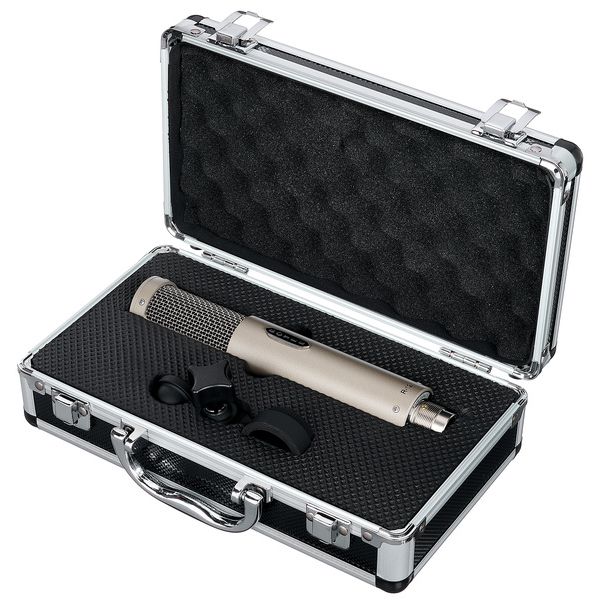
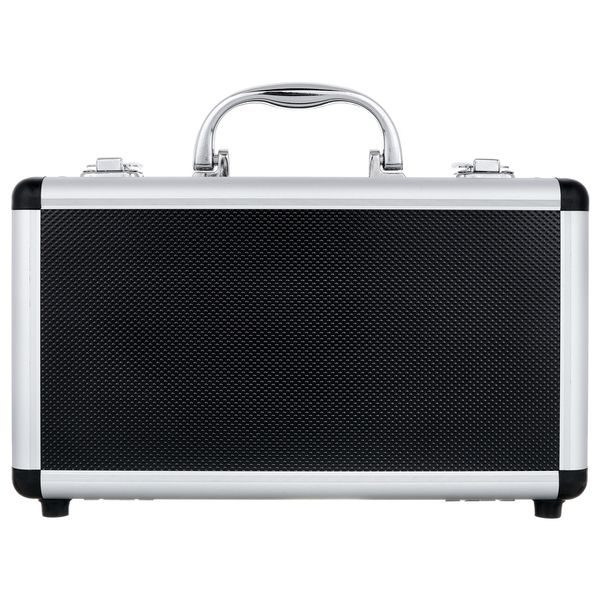
- Includes microphone holder, microphone cover and case
-
Available since August 2025
-
Item number 620370
-
Sales Unit 1 piece(s)
-
shockmount included No

Active ribbon mic for studio and live use
The Royer Labs R-12 is an active ribbon microphone with a figure-8 polar pattern, designed for demanding studio recording and live applications. Positioned as a more accessible model beneath the acclaimed R-121, it retains the same 2.5μm ribbon element that has become a defining part of the Royer sound, delivering natural, detailed audio reproduction while handling sound pressure levels exceeding 160dB SPL. For added flexibility, the R-12 features a switchable -15dB pad to prevent overload when recording particularly loud sources, as well as a 100Hz high-pass filter tuned to control excessive bass buildup from the proximity effect and maintain a consistent tonal character.

Constant load, consistent sound
The active electronics at the heart of the Royer Labs R-12 significantly increase output level for quieter sound sources such as acoustic instruments, while maintaining a low noise floor (self-noise below 16dB). The circuitry presents a constant electrical load to the ribbon element, keeping its tonal response largely unaffected by variations in the connected preamp’s input impedance. The ribbon element itself is internally shock-mounted, helping to protect it from mechanical stress while reducing the transmission of handling noise and structure-borne vibration. The R-12 requires 48V phantom power and covers 30Hz–15kHz (±3dB).

Detail and dynamics
The Royer Labs R-12 combines the characteristic warmth of a ribbon microphone with the clarity and precision required for professional recording. Its ability to handle very high sound pressure levels makes it particularly suitable for demanding sources, including drum kits, guitar cabinets, and brass instruments, capturing their dynamics and tonal detail without unwanted harshness. The microphone comes with a mic holder and protective sock, all housed in a hard-shell carrying case, and is backed by a 10-year warranty.

About Royer Labs
Royer Labs is an American company founded in 1998 by David Royer and Rick Perotta. The key element at the core of Royer Labs' commercial success is the R-121 ribbon microphone, developed by microphone enthusiast and sonar measurement engineer David Royer in 1997 – at a time when the ribbon microphone was considered to be something endangered and exotic. The R-121 rapidly gained a remarkable reputation in international recording studios and quickly became a "classic" for miking guitar amplifiers. In 2013, Royer Labs was recognised with a Technical Grammy, the music industry's highest honour, for its dedication and inventive spirit. To this day, Royer Labs exclusively builds ribbon microphones. In addition to the legendary R-121, Royer Labs now also offers stereo ribbon microphones and active ribbon microphones with internal amplifier circuitry.
Getting the most from the R-12
The Royer Labs R-12 suits electric and acoustic stringed instruments, vocals, brass instruments, pianos, organs, drums, and percussion. Experimenting with microphone placement can produce a variety of tones from guitar cabinets, while the -15dB pad provides extra headroom when recording drums and loud amplifiers. Very loud sources such as brass instruments may benefit from an initial placement distance of around 45cm, with adjustments according to the instrument and desired sound. The R-12’s proximity effect can also be used creatively, helping thinner voices sound fuller and more present. Upright pianos and other instruments with weaker fundamentals can likewise benefit from the natural low-frequency enhancement. For vocal recording, the built-in triple-layer windscreen provides protection against plosives and wind noise, helping to keep results clean and controlled.
