


Names like Moog, Oberheim, ARP, and Sequential are music to the ears of all synth fans and the analogue legends from the 1970s and 1980s are still highly sought-after today. But how can you get their famous sounds without investing a fortune in decades-old dinosaurs that are often in a bad state of repair? We have a few tips on how to create vintage synth sounds!

Why do vintage synths sound so good?
Unlike the digital instruments that emerged from the 1980s onwards, analogue synths produce sounds using, well, analogue circuits. This means that the sound is not determined by a formula, an algorithm, or a pre-recorded sample, but is a direct result of the voltages and currents flowing through the individual electronic components. The capacitors, transistors, and resistors that form the oscillators, filters, and VCAs have a direct effect on how the synth sounds.

This is also the reason why no two analogue synths sound exactly the same. Electronic components are manufactured to certain tolerances, so the actual value of a resistor or capacitor can deviate slightly from its nominal value. Considering that a synthesizer consists of hundreds or even thousands of such components, it’s clear that no two circuits that are identical on paper will sound exactly alike.
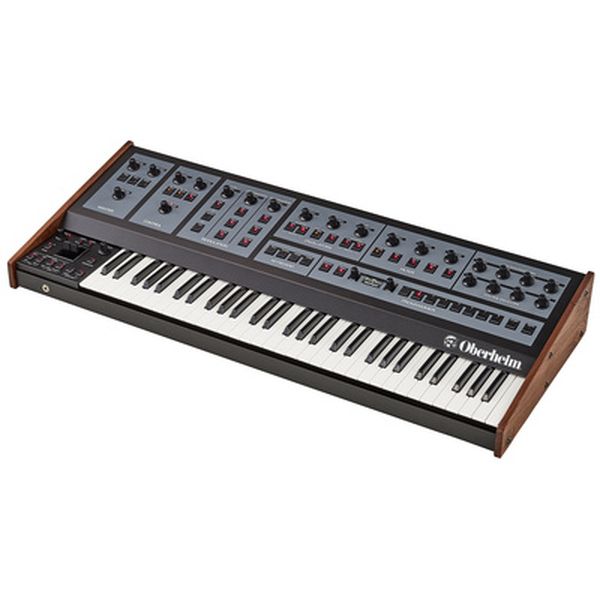
Oberheim
OB-X8
This effect is particularly noticeable with polyphonic synths: each individual voice sounds different, if ever so slightly. And what may seem like a fault is actually a big part of the reason why the flagship analog polysynths of the late 1970s and early 1980s are still considered the undisputed kings of synths. The subtle differences between the voices result in a sound that is extremely organic, lively, and “warm”, qualities that were hard to reproduce in the digital realm until not so long ago.
Vintage synth sounds on modern gear: reissues and replicas
The most obvious approach would be to simply recreate the legendary analogue circuits using modern components. And that’s exactly what some manufacturers are doing. The advantage: thanks to modern manufacturing technology, these replicas are often more compact and much more affordable. And you don’t have to worry about the typical “diseases” that plague many vintage synths, such as leaking capacitors or memory batteries.
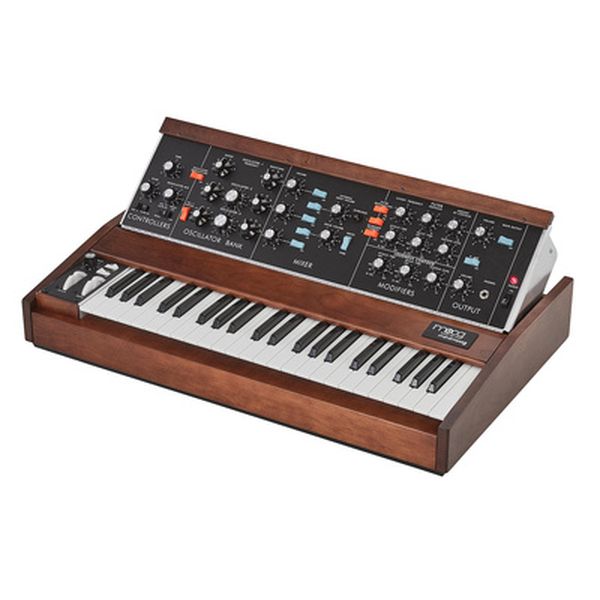
Moog
Minimoog Model D 2022
Some of the most impressive (and most expensive) reissues come from the legendary brands themselves. Moog, for example, has released several reissues of the Minimoog over the years, most recently in 2022. Dave Smith crowned his life’s work with the reissue of the Sequential Prophet-5. And the OB-X8 combines the circuitry of not one, but three famous Oberheim polysynths from the 1980s.
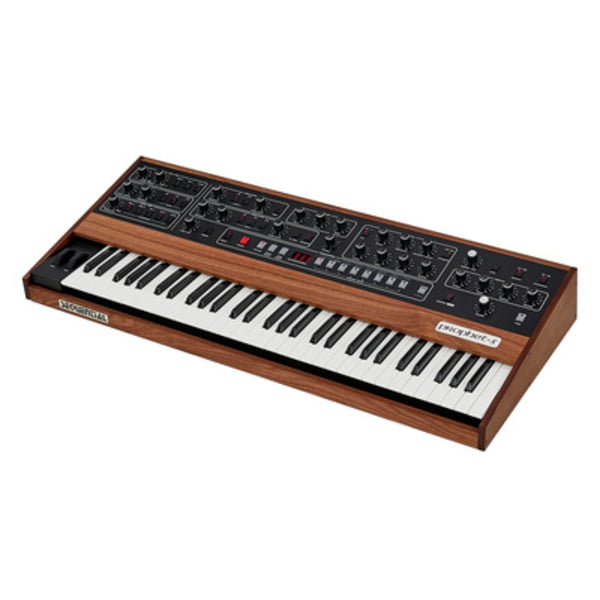
Sequential
Prophet 5
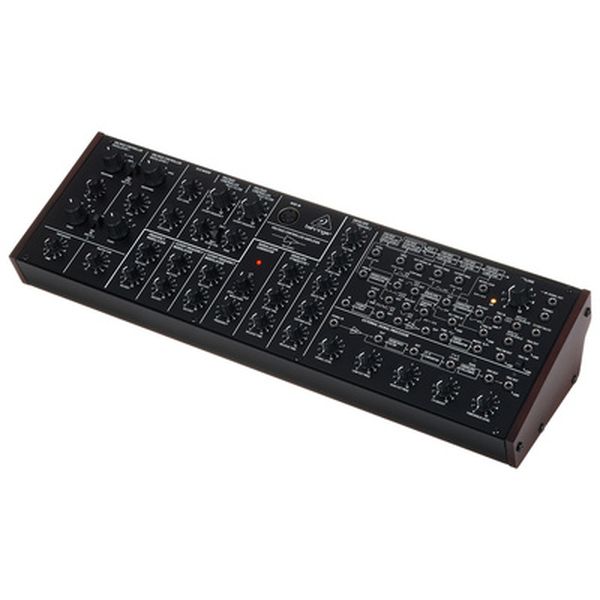
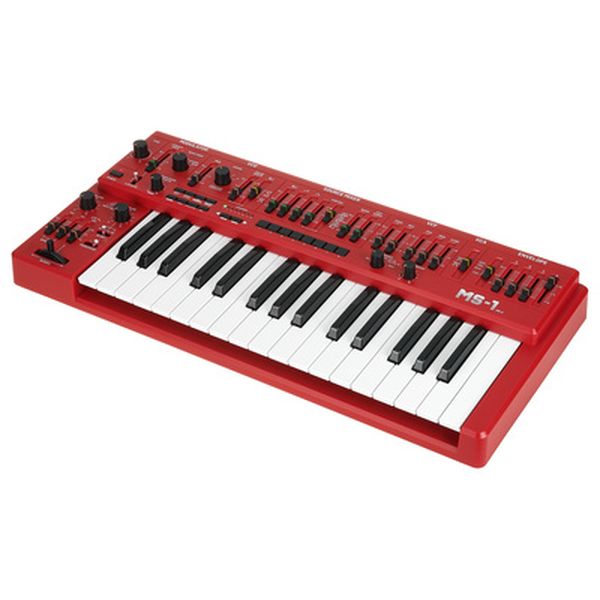
So-called “clones” are usually much cheaper. Many Behringer synths, for example, are closely modelled on the circuits of popular vintage classics.
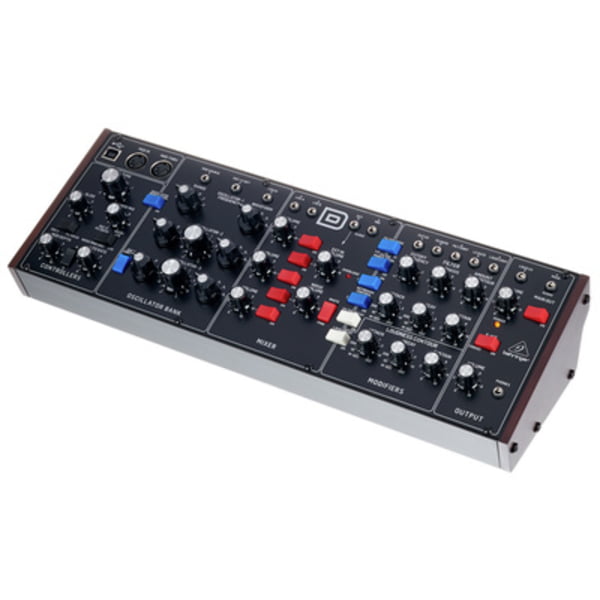
Behringer
Model D
Behringer
K-2 MKII
Behringer
MS-1 MKII Red
Vintage synth sounds on modern gear: virtual analogue alternatives
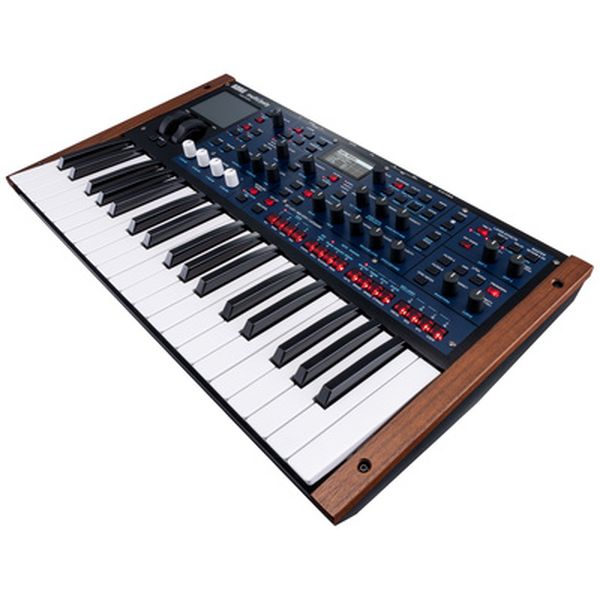
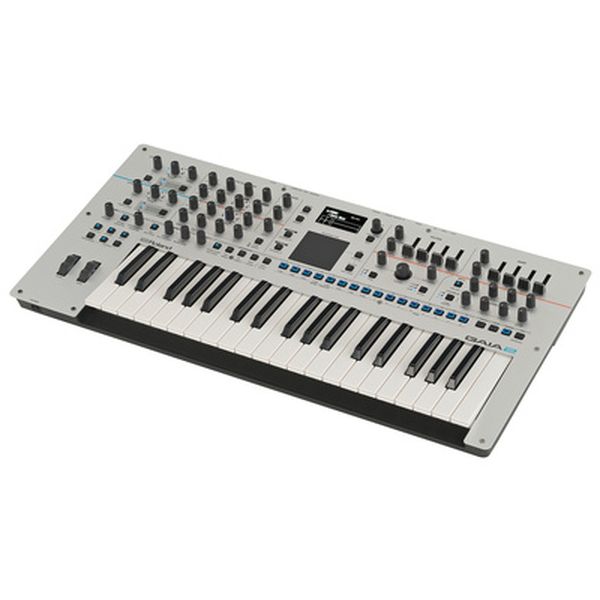
However, analogue isn’t the only way. The slight nuances that are responsible for the rich analogue sound can be emulated ever more convincingly using digital DSP technology. In virtual analogue synthesis, the behaviour of the analogue components is precisely analyzed and turned into a digital algorithm, including all the characteristic inaccuracies and imperfections. A virtual analogue synth is a digital synth that simulates in real time how the components of an analogue synth would behave.
Korg
multi/poly
Popular examples include the long-running microKORG, the Roland GAIA 2, or the KORG multi/poly. Virtual analogue technology has several advantages: It allows for significantly higher voice counts at much lower prices. And many modern VA synths offer combinations of virtual analogue waveforms with other digital sound engines such as wavetables or FM.
Roland
GAIA 2
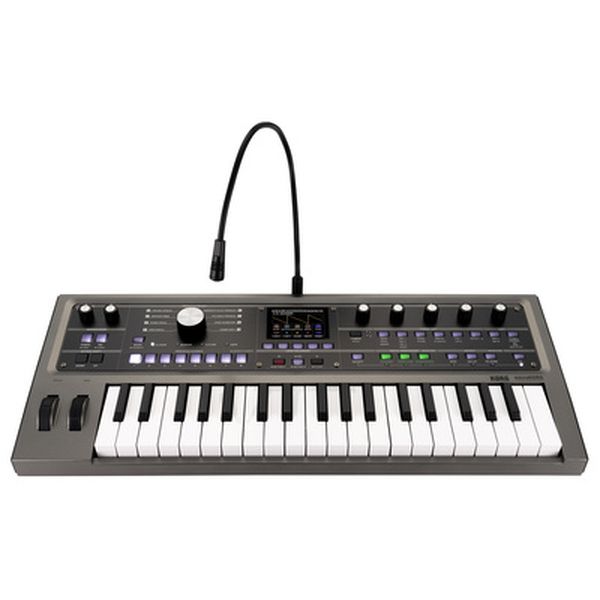
Korg
microKORG 2
Vintage synth sounds on modern gear: outboard and effects
Do you already own a couple of synths, but think their sound is too clean or sterile? Using analogue effects can be a quick remedy. For example, it can make a big difference if you don’t simply record your synth via the line input of your audio interface, but use an analogue preamp or channel strip. Many of these devices are deliberately engineered to “colour” the sound in a tasteful way.
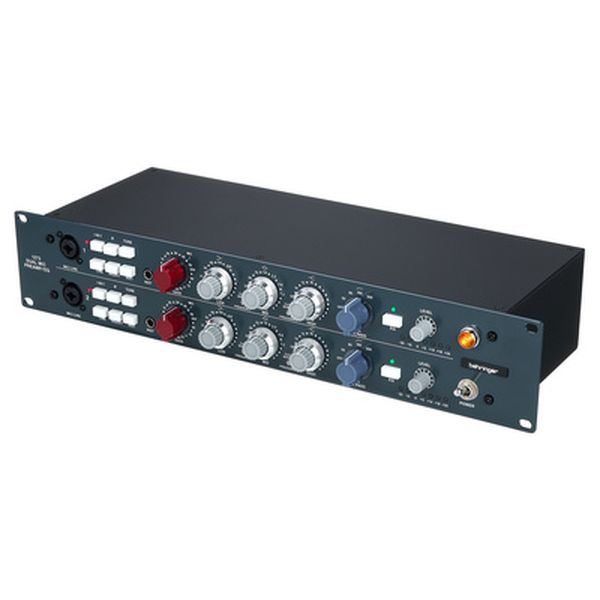
Behringer
1273
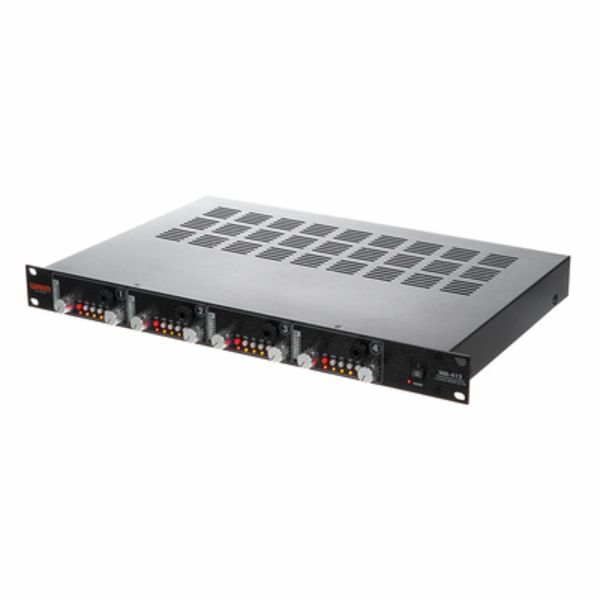
Warm Audio
WA-412
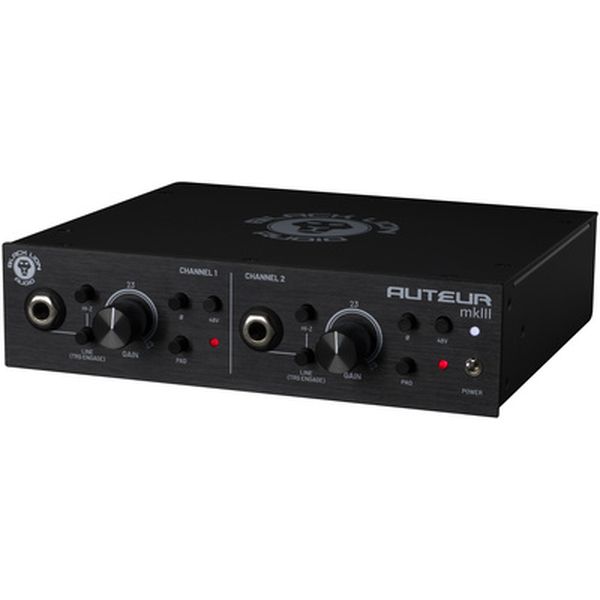
Black Lion Audio
Auteur MKIII
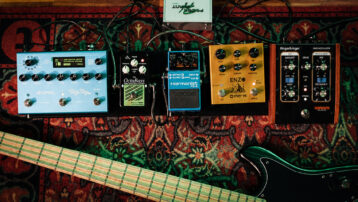
Many effects pedals for guitar can also work wonders on synths. Leave the internal effects switched off and send your synth through a delay pedal, an analogue chorus, or an overdrive – you might hardly recognize it!
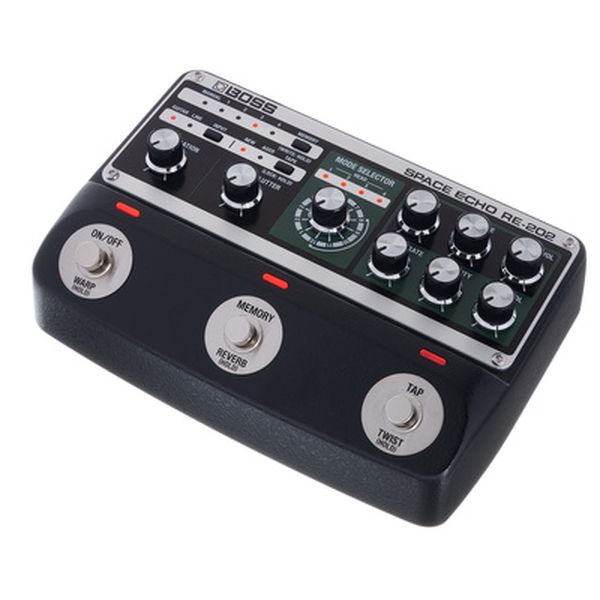
Boss
RE-202 Space Echo Delay/Reverb
The selection is huge. However, keep in mind that many guitar effects only have a mono input. If you want to process a stereo signal, then make sure that the pedal is capable of doing so. Lastly, the Elektron Analogue Heat +FX is a powerful hardware multi-effects processor specially developed for synths and electronic music.
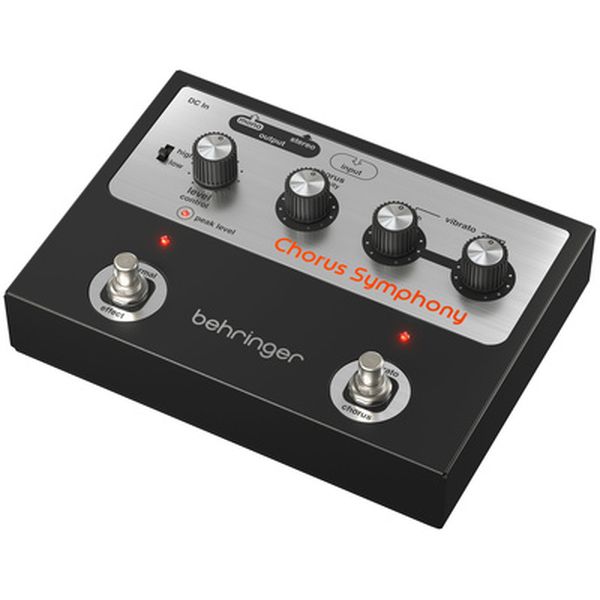
Behringer
Chorus Symphony
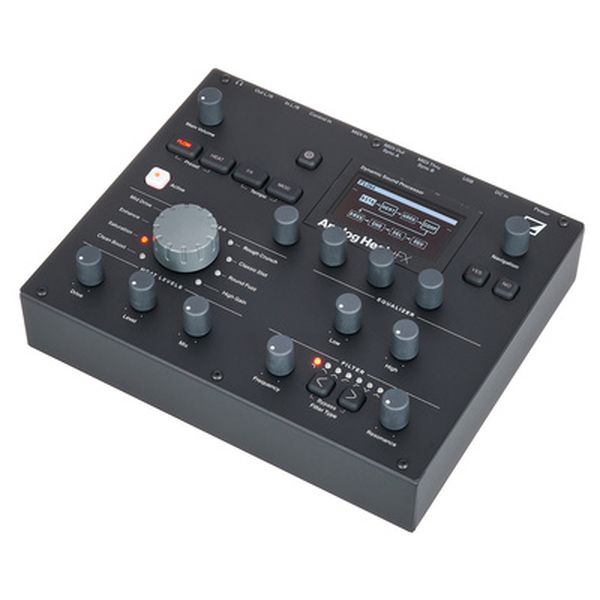
Elektron
Analog Heat +FX
Vintage synth sounds on modern gear: software
Last but not least, there is a fairly simple and extremely affordable way to get your hands on vintage synth sounds: software! Most of the analogue legends from the 1970s and 1980s are now available as convincing software emulations from developers such as Arturia, Softube, and Cherry Audio.
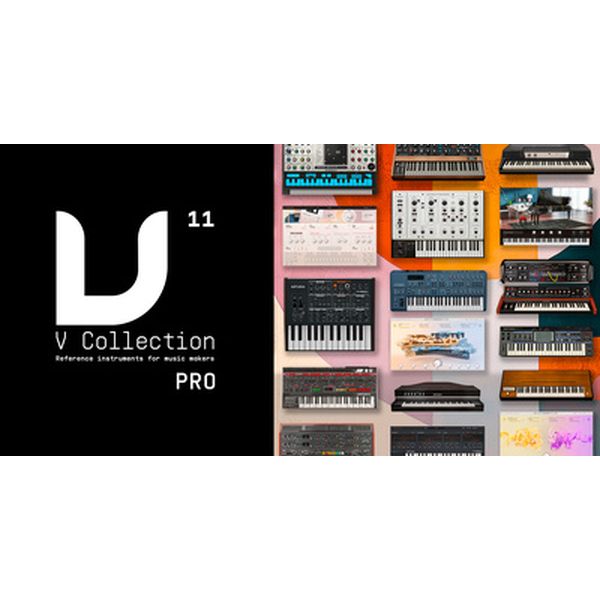
Arturia
V Collection 11 Pro Download
The emulations have really come a long way – you’d have to be pretty purist and have a well-trained ear to hear a difference. Another advantage is that the software versions often offer additional features that the originals didn’t have, such as more polyphony, integrated effects, an arpeggiator, or a sequencer.
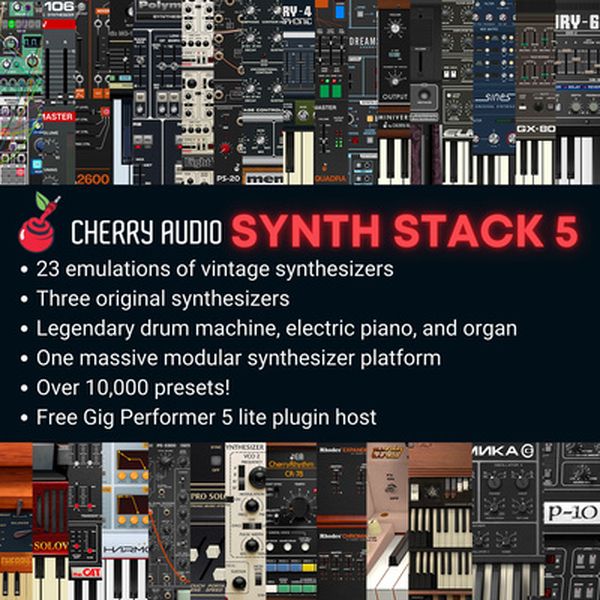
Cherry Audio
Synth Stack 5 Bundle Download
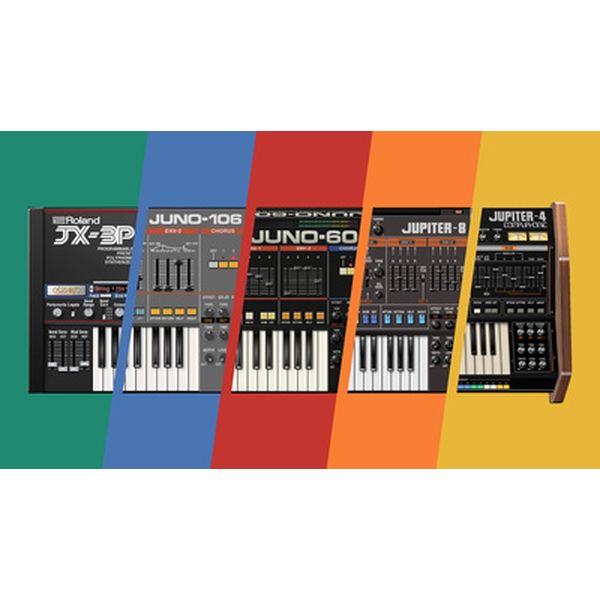
Roland
Cloud Analog Polysynth Coll. Download
Young artists and bands where the vintage synthesizer sound lives on
You surely know the iconic 70s and 80s sound of legends like Kraftwerk or Depeche Mode. The synth sounds live on today, picked up and reinterpreted by young artists – including nostalgic aesthetics.
Edwin Rosen
Molchat Doma
Lebanon Hanover
Tame Impala
Vintage Synthesizer Sounds: What do you use?
Which synths, effects, and techniques do you use to create vintage sounds? Let us know in a comment!










Comments 0
No comments yet.