

















In music, success can be a trap. Once an artist finds a formula that works, the safest option is simply to repeat it. But some musicians choose the opposite path: they tear up the blueprint, experiment with new sounds, and risk losing the audience that made them famous.
Sometimes it backfires. But when it works, it can redefine a career.
Here are ten artists and bands who took the risk of reinventing their sound—and came out bigger than ever.
1. Taylor Swift: from country star to pop powerhouse
When Taylor Swift debuted in the mid-2000s, she was firmly rooted in the country world. Albums like “Fearless” and “Speak Now” made her one of the genre’s biggest young stars, thanks to her storytelling style and crossover appeal.
But in 2014, Swift decided to move on. With the release of 1989, she left country behind entirely and embraced glossy synth-pop. The gamble paid off spectacularly, solidifying her status as a pop icon and expanding her audience worldwide.
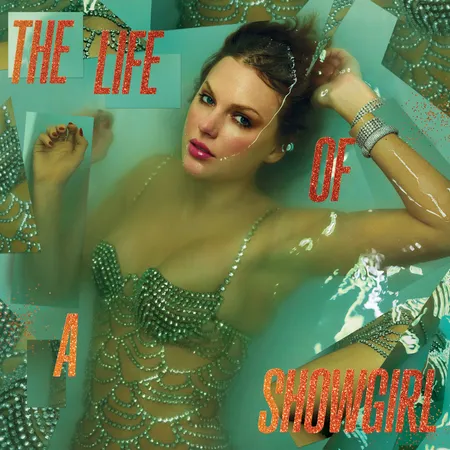
In 2026, Swift redefined her career path once again. After wrapping up her record-breaking, multi-year “Eras” tour, she ventured into more experimental territory with her twelfth studio album “The Life of a Showgirl.” On this record, she returned to soft pop and soft rock elements while achieving historic chart dominance with singles like “The Fate of Ophelia” and “Opalite,” both of which broke all-time streaming records.
Her reinvention didn’t just change her sound—it reshaped the music industry and proved she could evolve from a country star into a global pop phenomenon. And ultimately, into a legendary, genre-spanning artist.
2. Harry Styles: from boyband pop to electro-rock crossover
As a member of One Direction, Harry Styles was part of one of the biggest pop groups of the 2010s. Their music was polished, radio-friendly pop tailored to a massive global fanbase.
When Styles launched his solo career in 2017, he surprised many by taking a completely different direction. His debut album featured strong classic rock influences, reminiscent of artists like David Bowie and Fleetwood Mac. Then came Fine Line and Harry’s House, where he blended rock, pop, funk, and soft rock into a distinctive style.
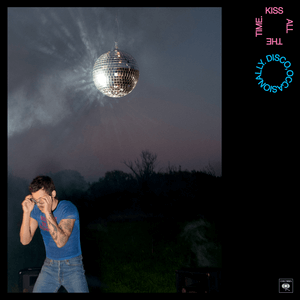
In 2026, he evolved again with “Kiss All The Time. Disco, Occasionally.” This fourth album replaced his moody “House” aesthetic with a darker, synth-driven Berlin club sound. By combining avant-garde electronic production with his most vulnerable songwriting yet, Styles cemented his transformation from pop superstar into a boundary-pushing musical chameleon—while breaking all-time streaming records.
Instead of simply making more boyband pop, Styles created a new artistic identity with chart-topping albums and a powerful, ever-evolving solo career.
3. Bring Me the Horizon: from deathcore to pop/alt-rock

Sometimes a band goes through multiple stylistic changes—just like Bring Me the Horizon from Sheffield, UK. It all began with their debut album “Count Your Blessings” in 2006, two years after forming, featuring brutal deathcore. Starting in 2008, their next two albums “Suicide Season” and “There is a Hell…” introduced more electronic elements, shifting toward metalcore.
This transformation was completed in 2013 with “Sempiternal,” where metalcore was heavily blended with electronic sounds. But just two years later, “That’s the Spirit” marked a shift to alternative rock—bringing more radio-friendly songs into their catalog.
Since 2019’s “amo,” the band has incorporated pop and even more electronic influences—only to return to heavier sounds again in 2020.
Bring Me the Horizon moves radically across genres within modern metal. They continuously evolve—and their success proves them right.
4. Depeche Mode – from synth-pop to synth-rock
When Depeche Mode entered the music scene in the early 1980s with singles like “Dreaming of Me” and the now-classic “Just Can’t Get Enough,” their sound was clearly defined: drum machines and synthesizers, with Vince Clarke, Martin Gore, and Andrew Fletcher on instruments, and vocals by Martin Gore and Dave Gahan. The biggest band in synth-pop was born. After Clarke left and Alan Wilder joined, the band incorporated more industrial sounds and sampling while staying true to their core style.
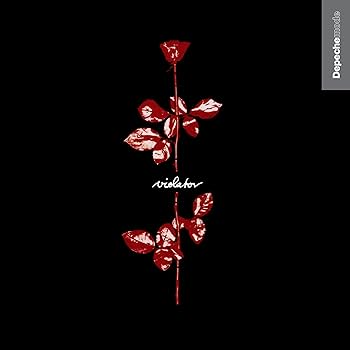
The shift began with their seventh and most successful album “Violator” in 1990. For the first time, acoustic guitar sounds appeared on the single “Personal Jesus.” With the follow-up “Songs of Faith and Devotion,” the band fully embraced this new direction, adding acoustic drums, electric guitars, and soul elements.
Many early fans had mixed feelings about the change, but Depeche Mode stayed the course. In the 1990s, the band—now supported live by Christian Eigner on drums and Peter Gordeno on bass—gained new and even larger audiences worldwide.
And so in 2026, old and new fans still listen to “Just Can’t Get Enough”—even if it sounds a bit different than it did in 1981.
5. Radiohead: leaving alternative rock behind
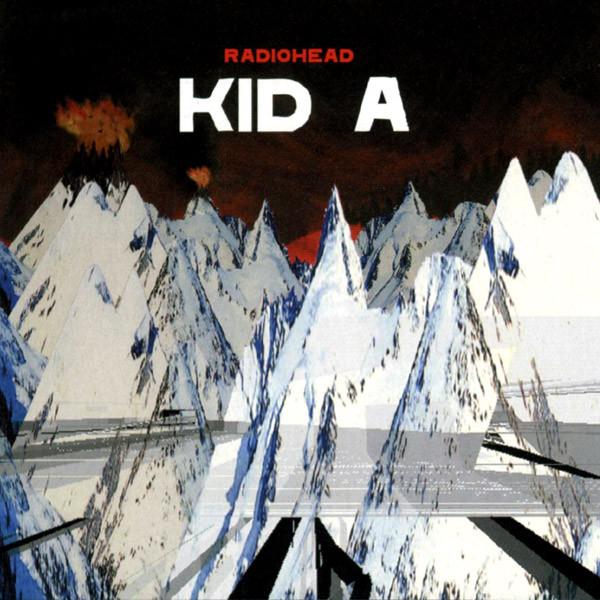
Radiohead rose to fame in the 1990s with emotionally intense alternative rock albums like “The Bends” and “OK Computer.” But instead of repeating the formula that made them successful, the band did something unexpected.
In 2000, they released “Kid A,” an album heavily influenced by electronic music, ambient textures, and experimental composition.
There were hardly any traditional rock guitars. The songs were abstract and unconventional. While the album initially divided listeners, it is now widely regarded as one of the most groundbreaking records of the 21st century.
By 2026, the band’s legacy of constant reinvention has only deepened. Decades after “Kid A,” they are still considered key architects of modern art rock, evolving from a guitar-driven 90s act into a genre-spanning collective. Later works—including the “pay-what-you-want” release of “In Rainbows” and the orchestral complexity of “A Moon Shaped Pool”—proved they could remain globally relevant while completely ignoring industry norms.
Radiohead proved that artistic risks can lead to long-term cultural impact. They transformed from a popular rock band into a lasting symbol of creative independence.
6. Lady Gaga: pop, jazz, and constant evolution

Lady Gaga first became famous with maximalist dance-pop hits like “Poker Face” and “Bad Romance.” Her early career was defined by high-energy electronic production and theatrical visuals.
But Gaga consistently refused to limit herself.
She explored jazz standards with Tony Bennett, released the stripped-down, country-influenced album “Joanne,” and later returned to futuristic dance music with “Chromatica.”
Each shift revealed a different side of her artistry and ensured her career continued to evolve rather than stagnate.
7. Genesis – from prog rock to pop rock

Genesis was active from 1967 to 2002, and their career can clearly be divided into two genres. It started with Peter Gabriel—and notably without Phil Collins—as a folk and prog rock band. With Collins joining, prog rock became the defining sound. Theatrical performances and concept albums like “The Lamb Lies Down on Broadway” made them famous and successful.
When Gabriel left in 1975, a five-year transformation began. The band—now consisting of Phil Collins, Mike Rutherford, Tony Banks, and Steve Hackett—moved toward more radio-friendly music without fully abandoning their progressive roots. When Hackett left, the shift became unstoppable.
By the 1980s, Genesis dominated the charts. Their accessible pop rock was everywhere, and they became superstars. Albums like “Invisible Touch” and “I Can’t Dance”—along with their hit singles—ruled the charts, and their videos were in constant rotation on MTV.
The stylistic shift brought the band massive success. It didn’t happen overnight but was the result of a longer evolution—and for Genesis, it was the right direction.
8. Sleep Token – from post-metal to genre hybrid
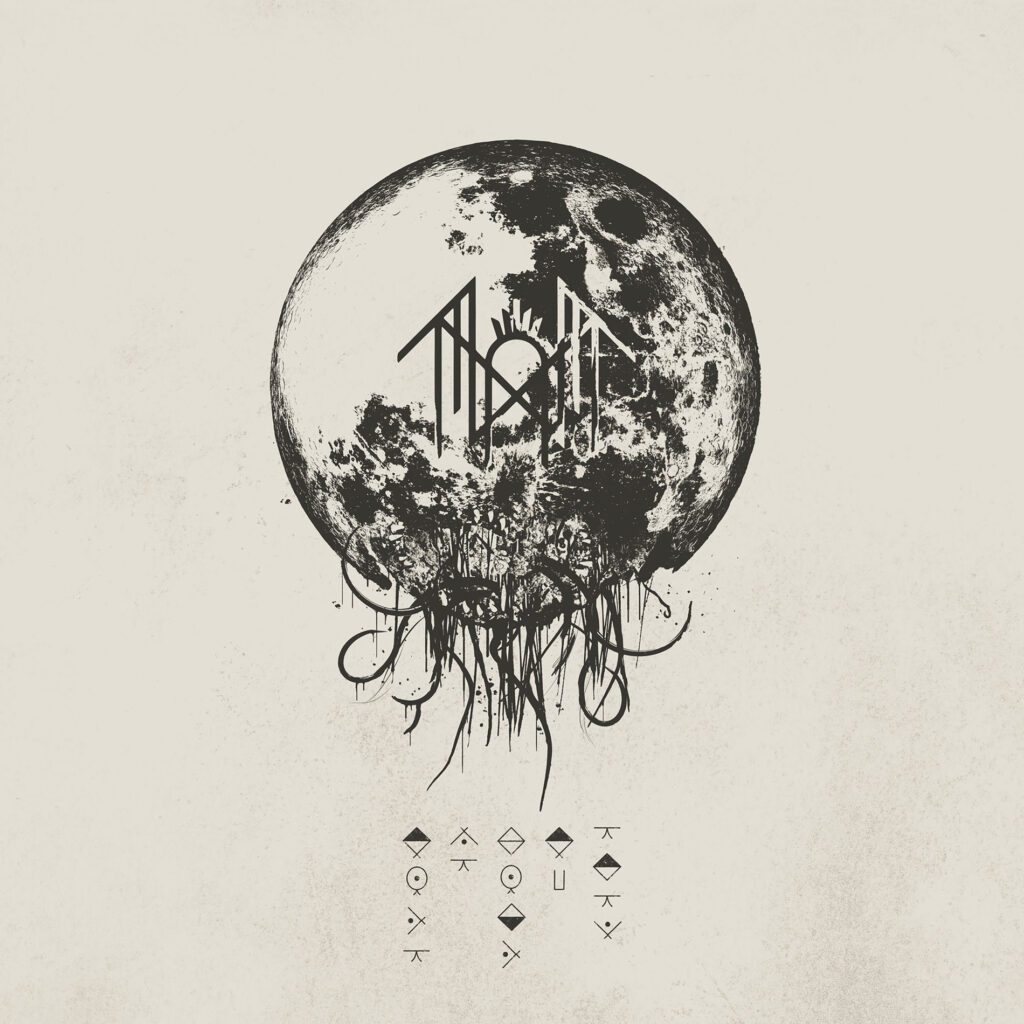
Sleep Token, formed in 2016, has always maintained one constant: anonymity. The members perform masked, with the singer known as Vessel, the drummer as II, the bassist as III, and the guitarist as IV. Their sound, however, has undergone a major transformation.
Their early EP “One” and the 2019 album “Sundowning” were heavily influenced by atmospheric/post-metal. Since then, though, their sound has become harder to categorize—and that’s exactly their strength.
On more recent albums, especially 2023’s “Take Me Back to Eden,” they blend djent/modern metal, pop, R&B, ambient/electronic, and gospel-like vocals into a unique genre hybrid. The switch in producers—from George Lever to Carl Brown—likely played a role in this evolution.
And the band is more successful than ever: Sleep Token sells out arenas, headlines major festivals, and their 2025 album “Even in Arcadia” debuted at number one in both the US and UK. They’ve found a sound that will likely keep evolving.
9. Madonna – always pop, always new
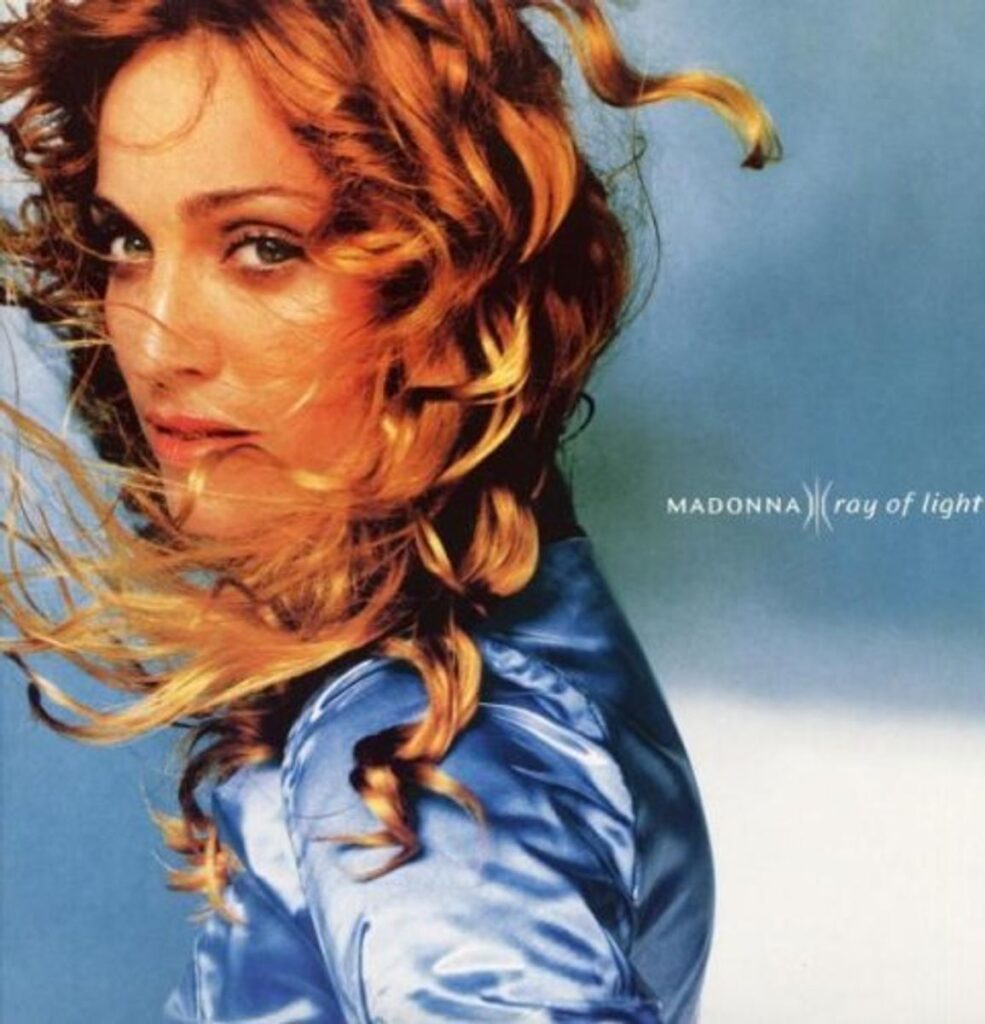
Madonna has always been Madonna—and yet always different. Since the early 1980s, she hasn’t just reinvented herself roughly every decade; she has repeatedly redefined what pop music could be.
After 80s classics like “Holiday,” “Like a Virgin,” “Into the Groove,” and “Papa Don’t Preach,” she shifted in the early 90s with the cooler, dance-oriented “Vogue.” In 1997, she explored musical theater with “Don’t Cry for Me Argentina,” only to return the following year with darker electronic sounds on “Frozen.” The album “Ray of Light,” produced by William Orbit, introduced yet another new sound. In 2000, she reinvented herself again with Mirwais and the hit “Music,” later producing the title track for the James Bond film “Die Another Day.”
Her transformations continued through 2019 with her fourteenth studio album “Madame X,” considered her most eccentric work. And for 2026, Madonna has announced new music—so another reinvention is guaranteed.
Her transformations weren’t just musical—they also included constant changes in style and fashion. Madonna didn’t just reinvent her music; she reinvented herself. Successfully. She is now one of the most successful—and wealthiest—figures in the music industry.
10. Metallica – from thrash metal to mainstream heavy rock

No one on this planet would deny that Metallica is the biggest metal band in the world. With over 180 million records sold, they are among the top 10 best-selling bands in music history. But their path to the top was anything but straightforward.
With their debut album “Kill ’Em All” in 1983, Metallica helped define thrash metal. With subsequent albums—especially the groundbreaking “Master of Puppets” (1986)—they established themselves at the top of the genre.
But from 1991 onward, the band explored new musical directions. Hits like “Enter Sandman” (1991) and the power ballad “Nothing Else Matters” (1992), both from their self-titled album “Metallica” (also known as the “Black Album”), featured a more accessible sound and brought metal to a wider audience.
From the mid-1990s, albums like “Load” and “Reload” leaned more toward hard rock. Metallica even released “Garage Inc.,” an album of covers. In the years that followed, their sound continued to evolve—sometimes leaning toward hardcore (“St. Anger”), sometimes toward classic heavy metal (“Death Magnetic”). While traces of thrash metal still appear, their original sound has been left behind.
It was one of the most commercially successful sound shifts in metal history. Metallica has long since reached music’s Olympus and was inducted into the Rock and Roll Hall of Fame in 2009.
Reinvention is a risk… but sometimes it’s the only way forward.
Conclusion: artists and bands with a new sound
Changing your sound is one of the riskiest moves an artist can make. Fans often expect familiarity, and the industry unfortunately tends to reward predictability.
But the artists above show that reinvention can be powerful. By breaking away from their original formula, they were able to push their style into new territory.
And in many cases, their greatest success came after the change.
Because in music, sometimes the boldest move is simply refusing to stay the same.
Your feedback: 10 artists who completely changed their sound …
Do you know any other bands or solo artists? What did you think of the stylistic changes in our examples? Feel free to share your thoughts in the comments.















Comments 0
No comments yet.