


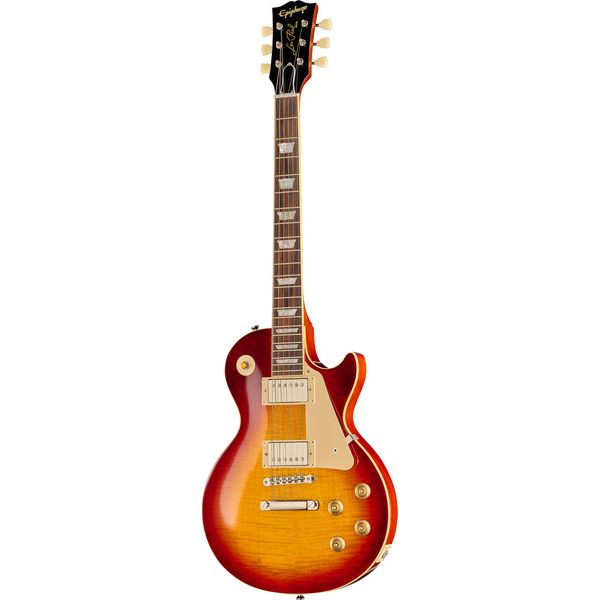
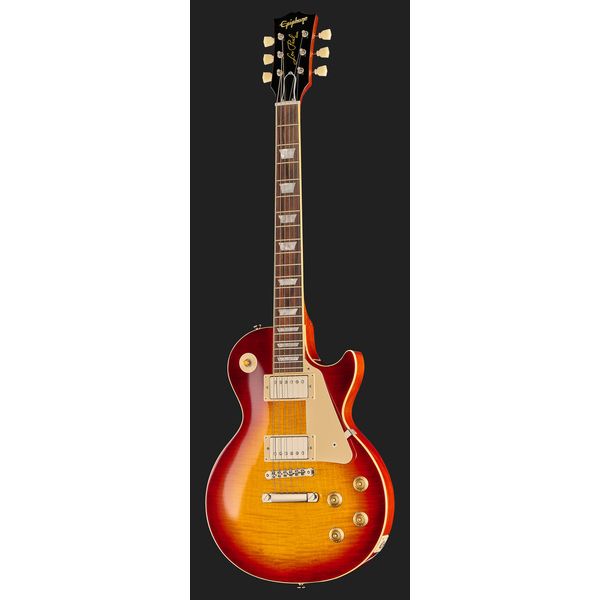
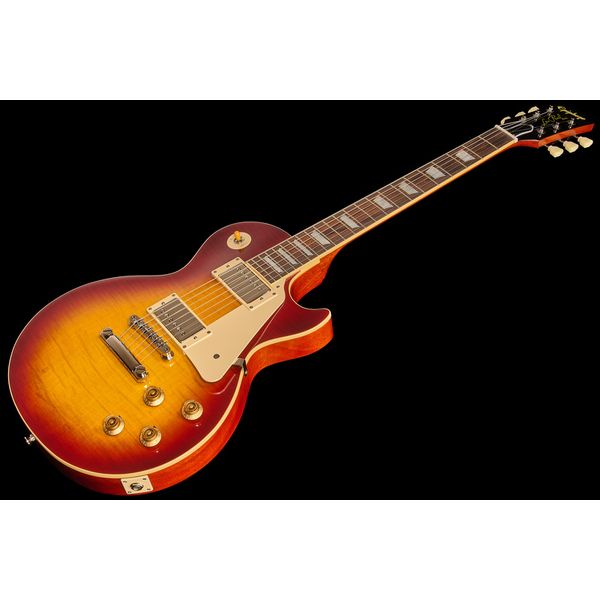
Epiphone 1959 Les Paul Standard DCS

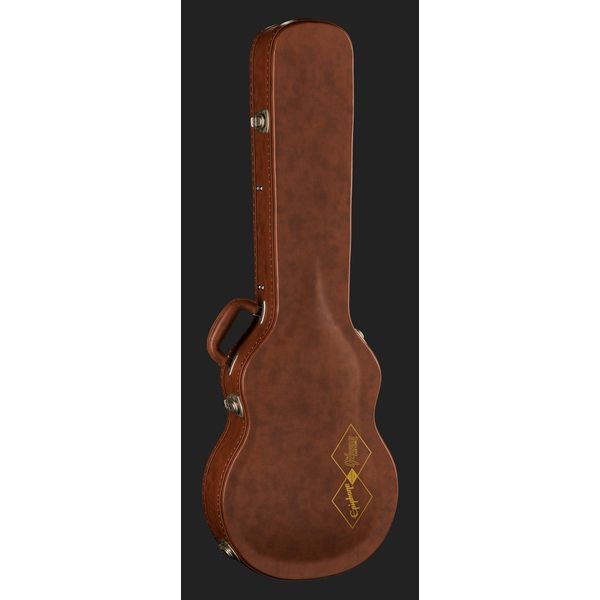


Electric Guitar
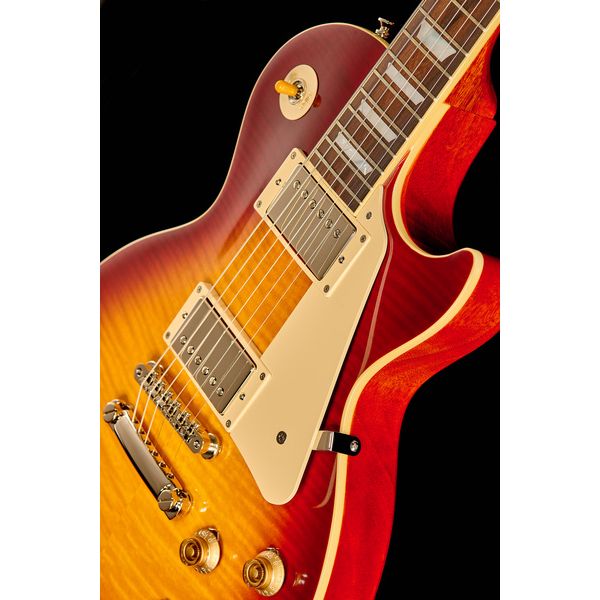
- Inspired by Gibson Custom Collection 2025
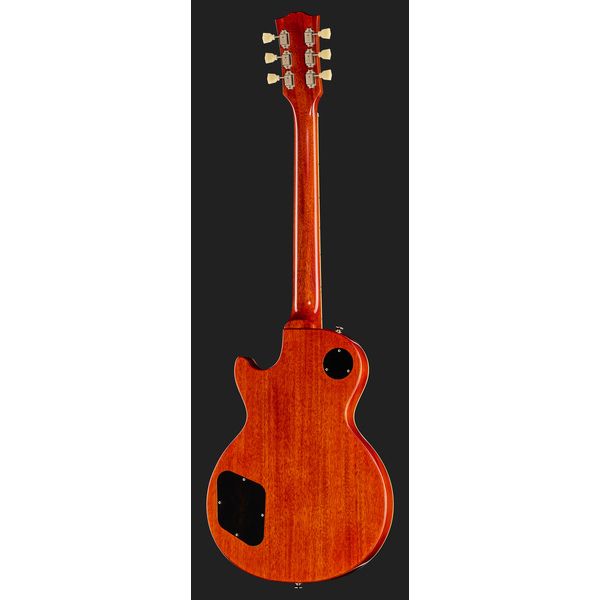
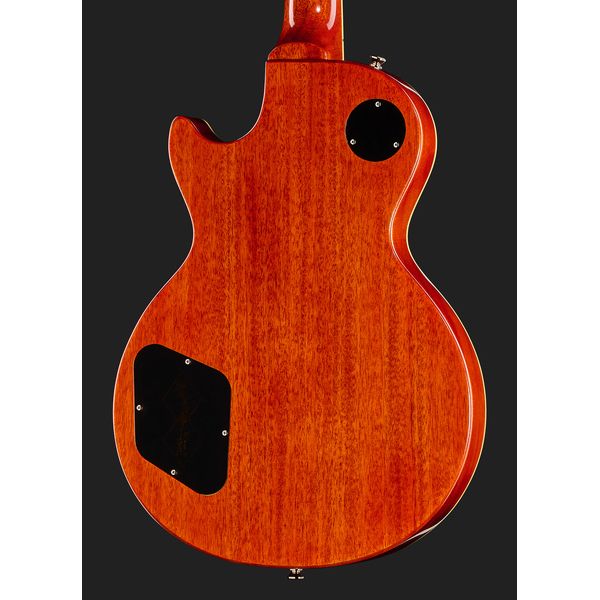
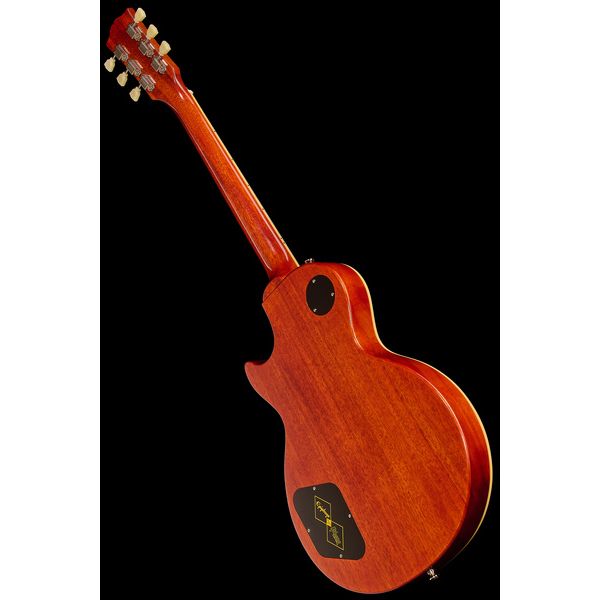
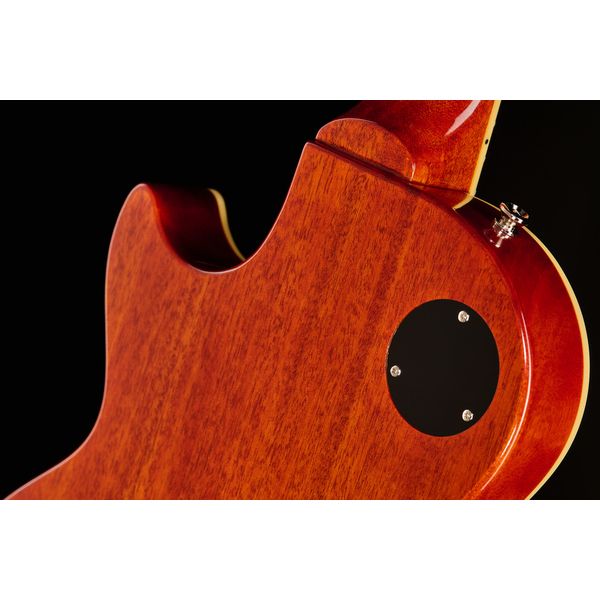
- Body: Mahogany
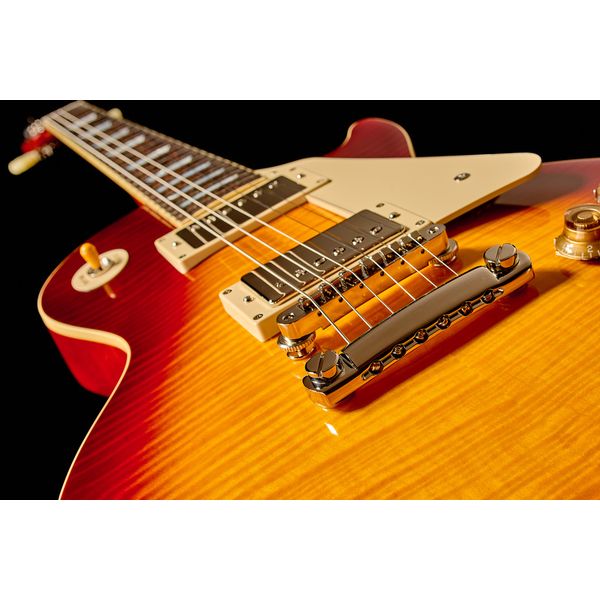
- Top: Maple
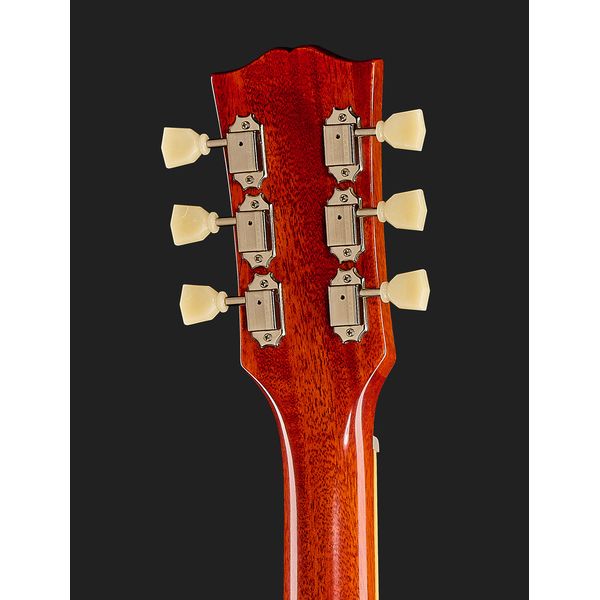
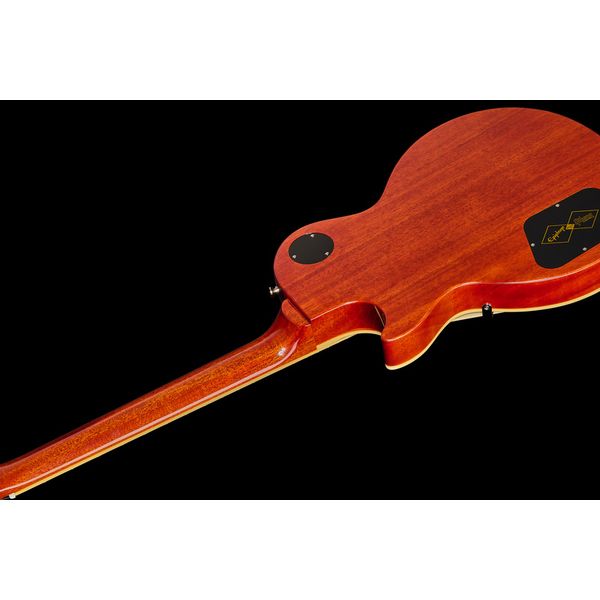
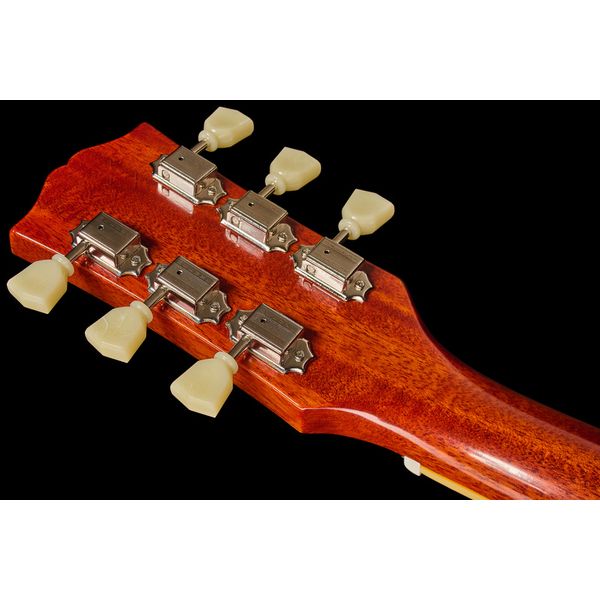
- Set-in neck: Mahogany
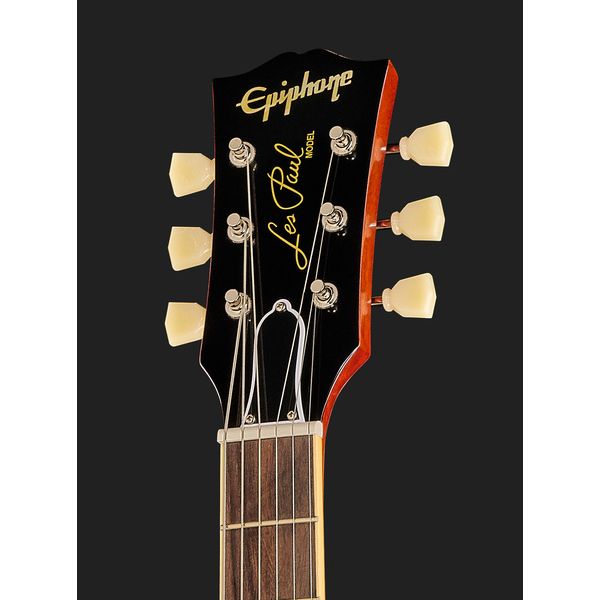
- Fingerboard: Rosewood
- Fingerboard inlays: Trapeze
- Upper body binding
- Neck profile: 1959 rounded "C"
- Fingerboard radius: 305 mm (12")
- Scale: 629 mm (24.75")
- 22 frets
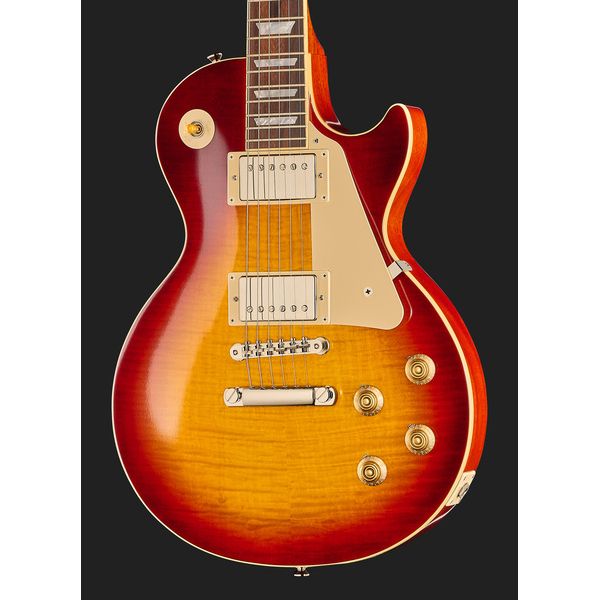
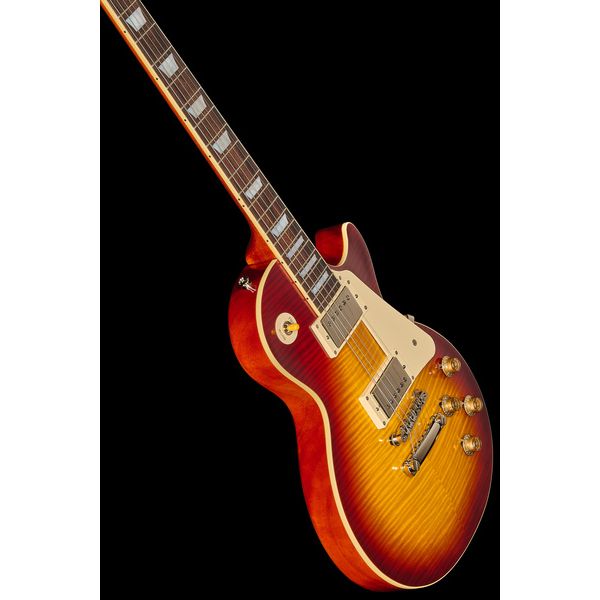
- Pickups: Two USA Custombucker Alnico 3 humbuckers
- Two volume and two tone controls
- .022uF Luxe Bumblebee capacitors
- 3-way switch
- Pickguard: Cream
- Nickel hardware
- Colour: Deep Cherry Sunburst
- Includes case
-
Available since April 2025
-
Item number 608488
-
Sales Unit 1 piece(s)
-
Colour Cherry Sunburst
-
Body Mahogany
-
Top Maple
-
Neck Mahogany
-
Fretboard Rosewood
-
Frets 22
-
Scale 628 mm
-
Pickups HH
-
Tremolo None
-
Including Case Yes
-
Incl. Gigbag No


Myths and legends since 1959
)
For many musicians, it's the holy grail of electric guitars: The Gibson Sunburst Les Paul Standard from 1959. So what is it about the Burst that makes it so special? Gibson set out to answer exactly that, analysing the original down to the last detail – and in doing so, effectively cracked the Burst code. Today, the Gibson Custom Shop offers painstaking recreations of the Les Paul, and now there's also a superb tribute from Gibson's subsidiary, Epiphone. The Epiphone 1959 Les Paul Standard DCS doesn't just look like a vintage Les Paul – it also brings the right specifications to capture the legendary Les Paul sound. At its core are Gibson Custom PAF-style pickups, the Custombuckers from the Gibson Custom Shop, which deliver the glassy, full voice associated with the original instruments and are normally reserved for high-end Gibsons. The idea here is simple: The essence of a Burst, without a price tag that feels like a down-payment on a house.
)
A Custom Shop Epiphone?
The electronics in this Custom Shop Epiphone stand shoulder to shoulder with their American counterparts. The USA Custombucker AlNiCo 3 humbuckers are closely modelled on original 1950s PAF-style pickups, with everything from the magnet to the windings carefully matched. These low-output pickups give a dynamic, open response, handling both clean tones and light overdrive with plenty of detail. Being unpotted, they deliver a classic vintage voice, although – just like their historical counterparts – there can be some feedback at higher gain levels. The combination of 50s-style wiring, CTS pots, and Bumblebee capacitors results in a broad, very agile control range, so that paired with the right amplifier, a wide palette of musical tones is quickly within reach. The overall spec is convincingly authentic and is sure to satisfy even the most discerning vintage enthusiasts.
)
Essential for a Burst
Alongside the electronics, a guitar's construction of course plays a crucial role. One feature that's considered essential for a classic Burst is the long neck tenon – a longer neck joint that improves the way the instrument resonates. It goes without saying for a Les Paul that both body and neck are made from mahogany, a wood known for its warm and balanced tonal foundation. And to achieve that characteristic singing top end, the body is paired with a maple cap. Anyone looking for a Les Paul at an attractive price point that captures the classic sound and look of past decades will find a compelling option here. Thanks to its well-chosen specifications, the guitar comes across as open, dynamic, and clear. It will also make an effective stage companion for professional players who (understandably) prefer to leave their custom or vintage Gibson at home.
)
About Epiphone
Today, Epiphone is perhaps best known as the Asian budget offshoot of Gibson. Yet both companies were once independent, equal, and also bitter rivals. The roots of Epiphone go back to the 1870s and to Anastasios Stathopoulo, a Greek instrument maker, who emigrated to America in 1903 with his son Epaminondas ("Epi" for short). Epi changed the name of the firm to the "Epiphone Banjo Company" after taking over the family business in 1928. During this year, Epiphone also began to manufacture guitars, which rapidly came to dominate their sales. In 1957, Epiphone was taken over by C.M.I., which already included Gibson, but it continued as a separate brand until 1970, when manufacturing was outsourced to Asia. Well-known Epiphone models include the Casino, played by the Beatles, and the Sheraton, John Lee Hooker's instrument of choice.
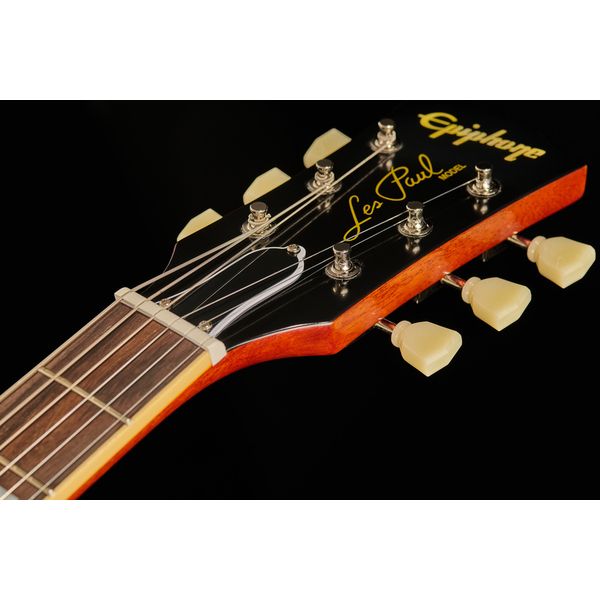
An open-book headstock
A convincing look is just as important as high-quality components – and the Epiphone 1959 Les Paul Standard DCS certainly isn't lacking in that department. One detail that immediately stands out is one of Gibson's absolute trademark features: The "open-book" headstock. This is relatively rare on Epiphone models, yet has defined Gibson's visual identity for nearly a century. The finish is similar to the satin lacquer used in Gibson's Vintage Original Spec concept, giving the guitar a comfortably played-in feel (although it's worth noting that – unlike Gibson's version – this finish is not nitrocellulose-based). The result is an instrument that not only looks the part but can also hold its own in professional settings, bringing back some of that vintage Les Paul charm wherever it's used. A matching Epiphone × Gibson Custom case is included for safe transport.
)