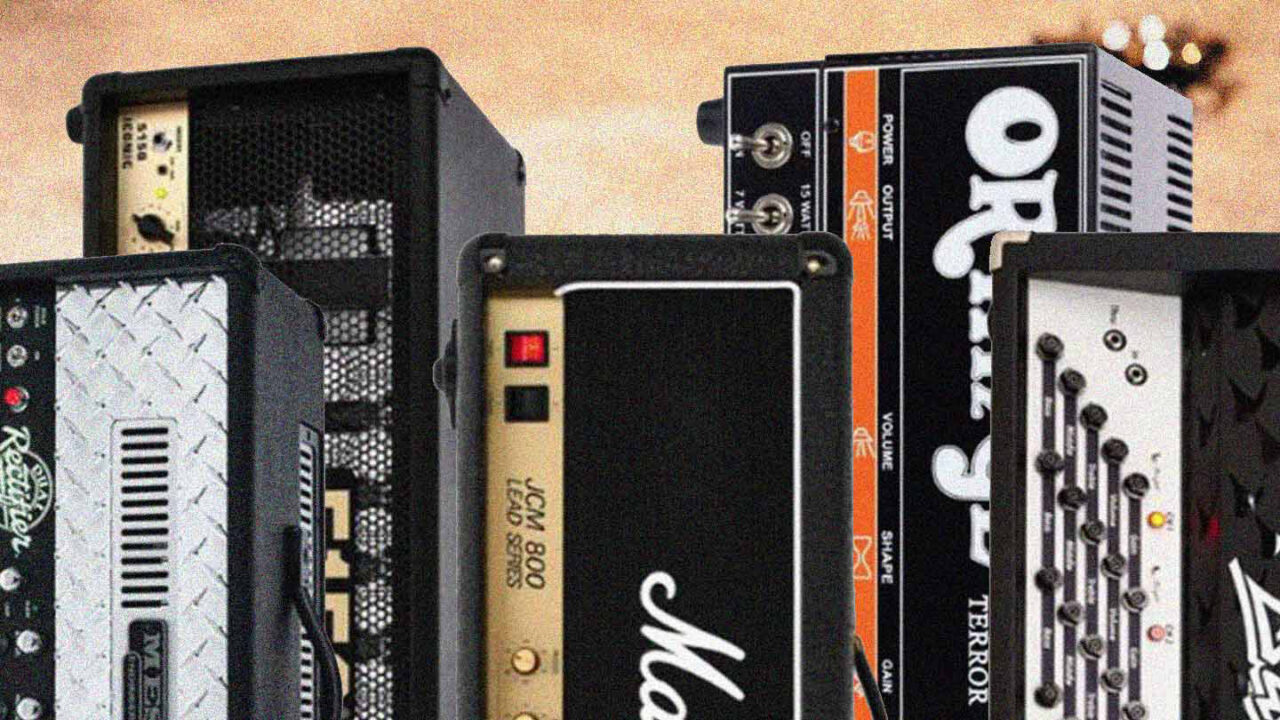
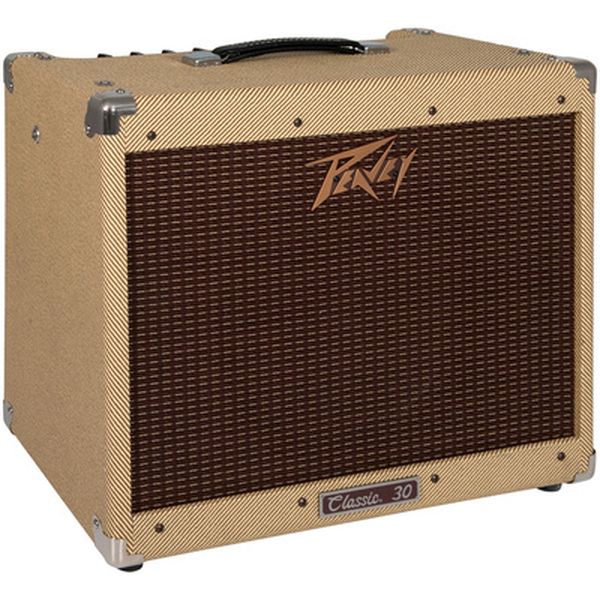
Amps that shaped the sound of metal: the quest for tone is a source of obsession and frustration for any self-respecting guitarist. But when it comes to metal tone, the challenge is even more complex. Unlike styles such as rock, blues and pop, where fairly different sounds can be used, the guitar tone of the various metal subgenres is highly codified and can only be achieved with certain amps. If you had already bought a Fender Twin Reverb or a Peavey Classic 30 before reading this article, you can obviously still cobble something together with pedals. But to guide you in your quest for that killer huge sound, here is the story of the five major amps that built the metal tone.

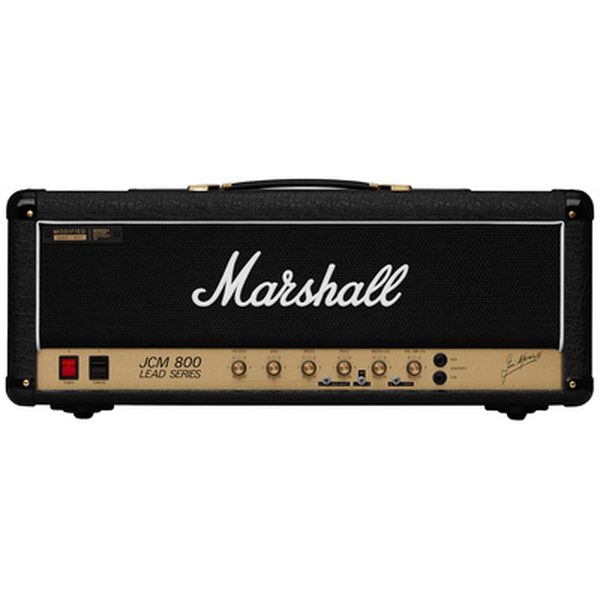
Marshall JCM800
- Released: 1981
- Some users: Zakk Wylde, Kerry King (Slayer), Metallica on Ride The Lightning, Dave Murray (Iron Maiden), Tom Morello, Mötley Crüe, Michael Schenker
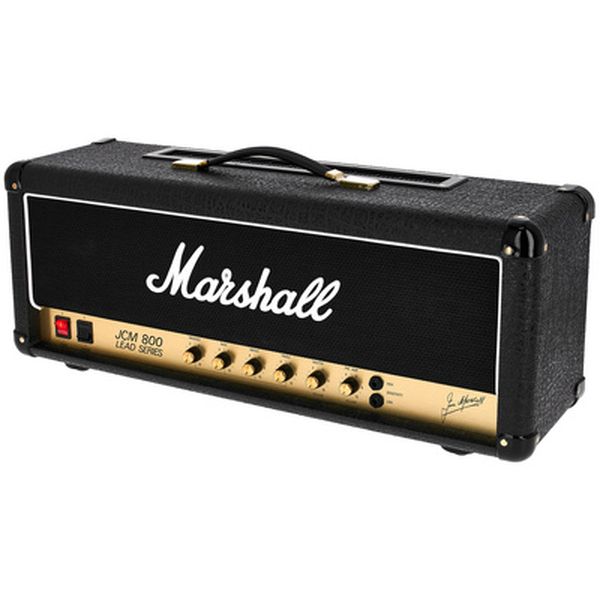
Marshall
JCM 800 Reissue 2203
Let’s start where it all began: the power of the British stack and its undeniable punch to the gut when you play palm-muted riffs with high-output humbuckers. Marshall had already established the standard for rock amplification with the Super Lead Plexi in the 60s, then the JMP and its Master Volume from 1975 onwards. The JCM800 continued that prestigious lineage. When it was released, this head was an immediate success, and every major band, whatever their musical camp, seemed to adopt this particularly snarling newcomer. It was the only thing that brought thrash and glam musicians together, apart from a pronounced taste for tight trousers.
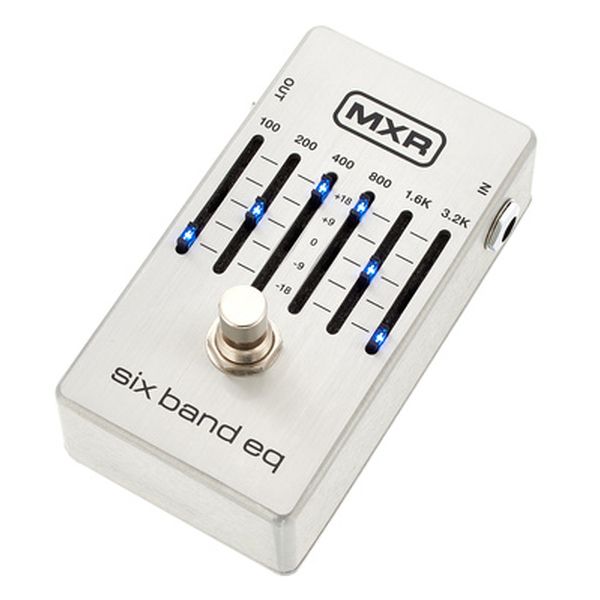
The sound of the JCM800 is instantly recognisable, with a midrange that remains very pronounced, unlike modern metal amps, and a snarling edge that shaped the sound of the 80s. To keep up with the gain race, many players turned to some form of booster: a Tube Screamer for James Hetfield, a TC Electronic booster for Scott Ian (Anthrax), a Boss Super Overdrive for Zakk Wylde, or an MXR EQ for Kerry King.
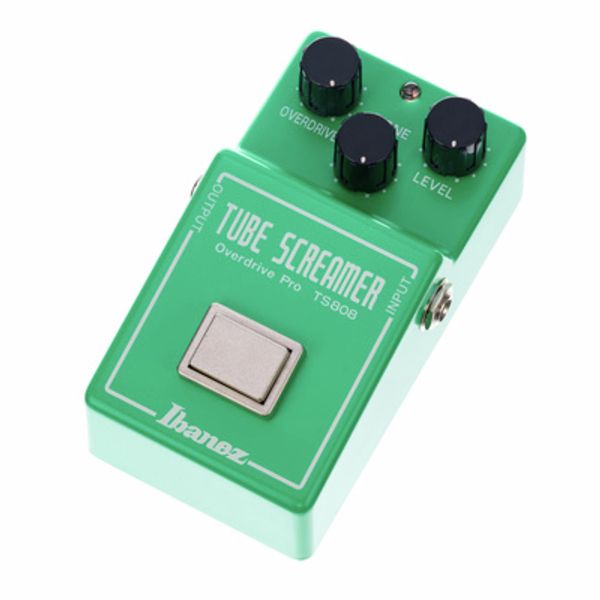
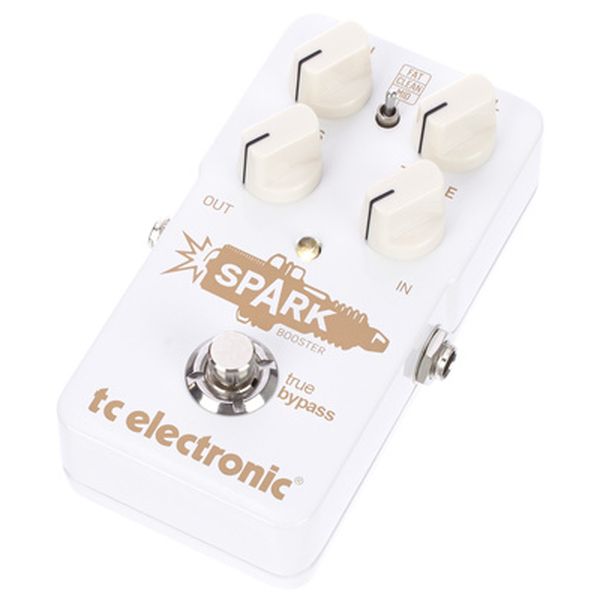
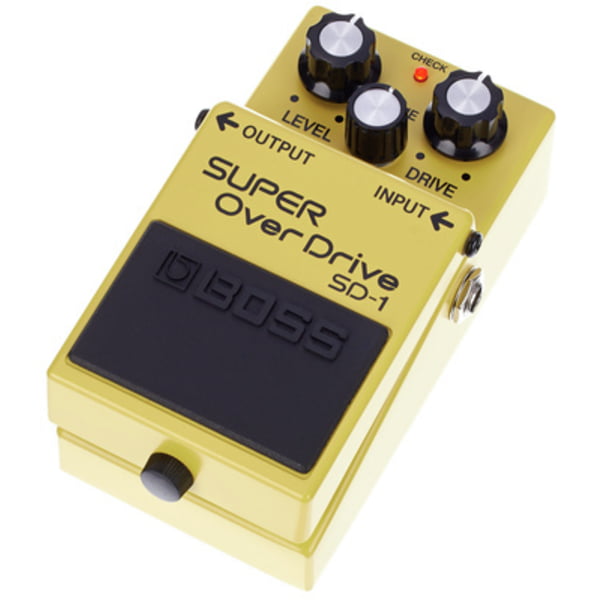
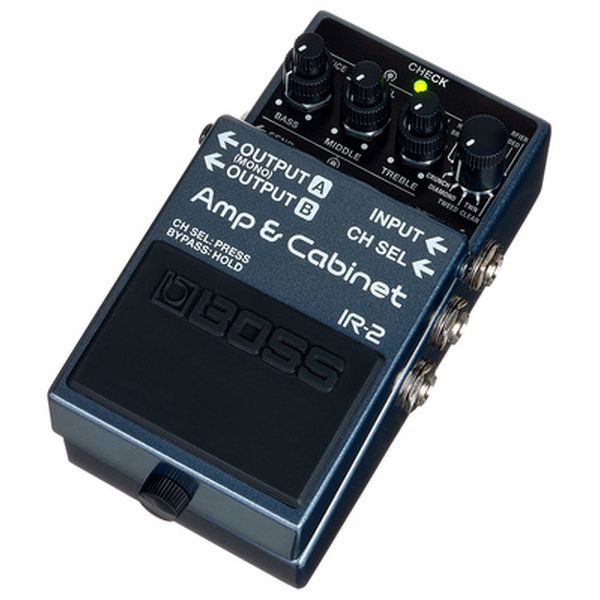
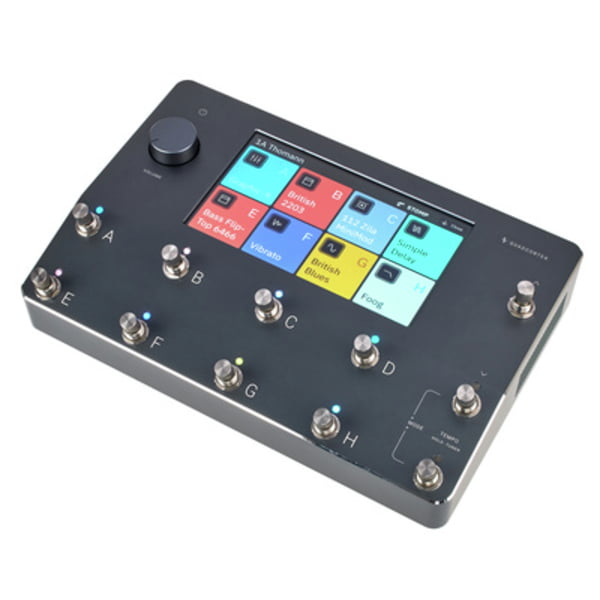
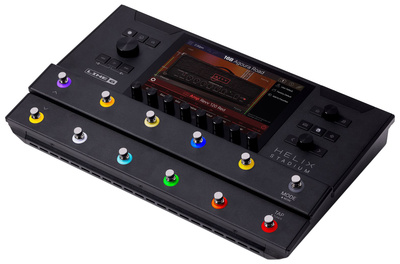
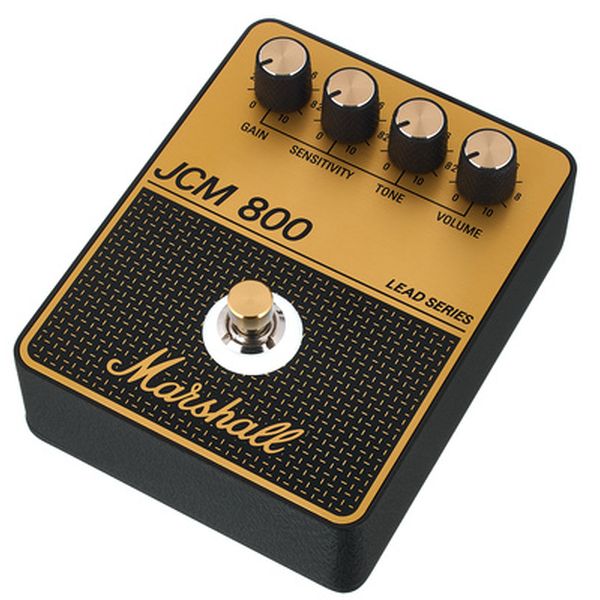
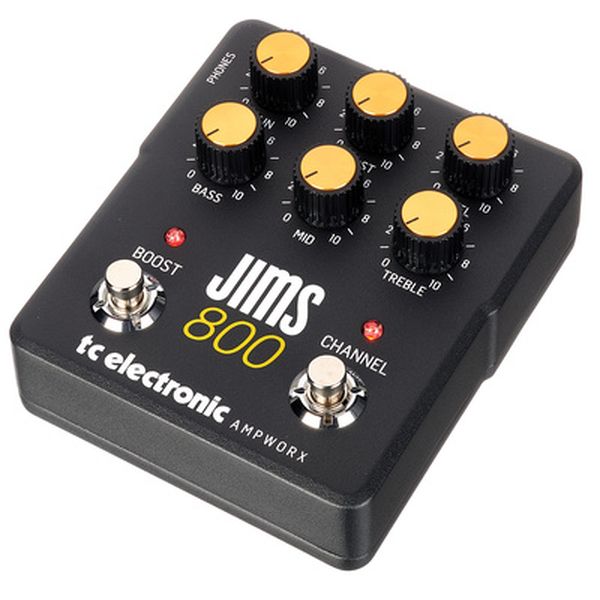
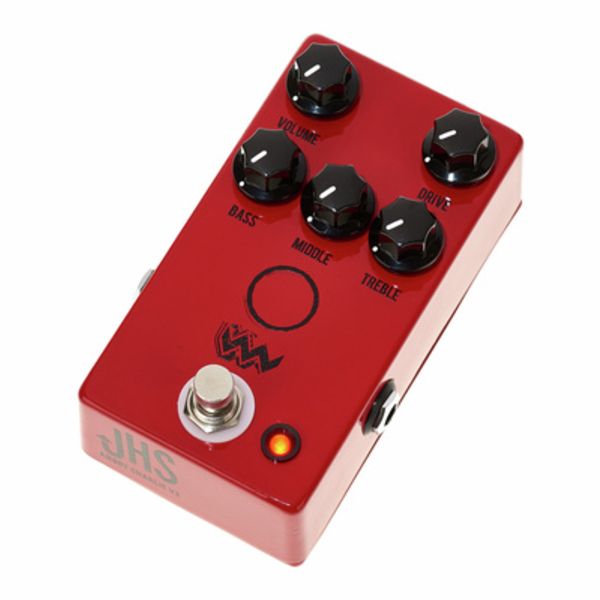
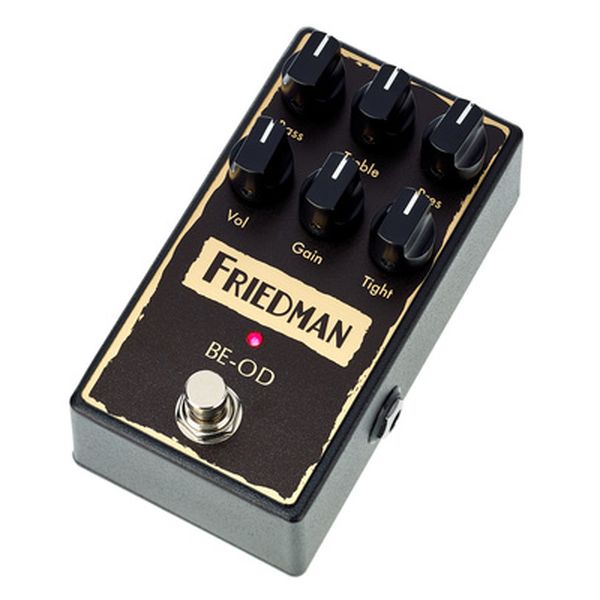
Several versions of the JCM800 were released: there were the two-channel models with reverb (2210 for the 100-watt version and 2205 for the 50-watt version) and the single-channel models (2203 in 100 watts and 2204 in 50 watts). The latter two are the most sought-after, and it has to be said that their sonic impact is more direct. Today, a great many preamps and distortion pedals are based on the JCM800 sound, not to mention the fact that it appears in every modeller, from the Boss IR-2 to the Quad Cortex via the Helix Stadium. Examples include the Marshall JCM800 Distortion, the TC Electronic JIMS 800 Preamp, the JHS Angry Charlie and the Friedman BE-OD.
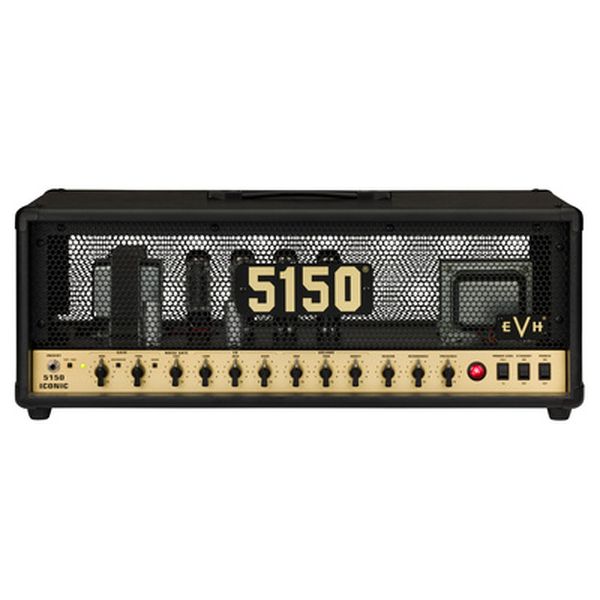
Peavey 5150
- Released: 1992
- Some users: Van Halen, Machine Head, Gojira, Architects, In Flames, Trivium, Bullet For My Valentine, Kreator
As the 80s progressed, guitarists wanted more and more gain, and had their JCM800s modified by craftsmen such as Jose Arredondo or Dave Friedman, to the point that Marshall recently released the 2203 Modified JCM800, which incorporates these factory mods directly. But some boutique brands also began offering amps with ever more gain and aggression, notably Mesa Boogie with the famous Mark IIC+, and Soldano with the SLO-100.
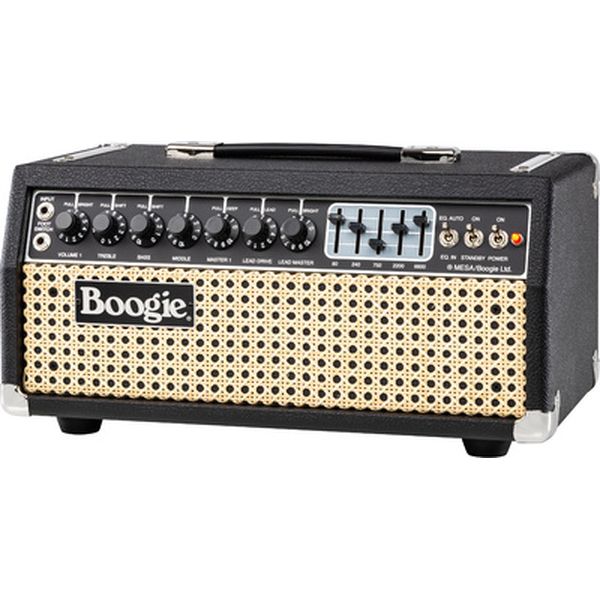
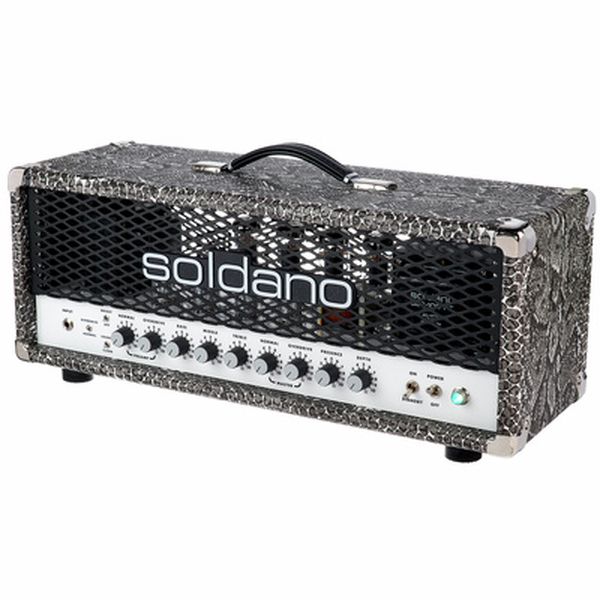
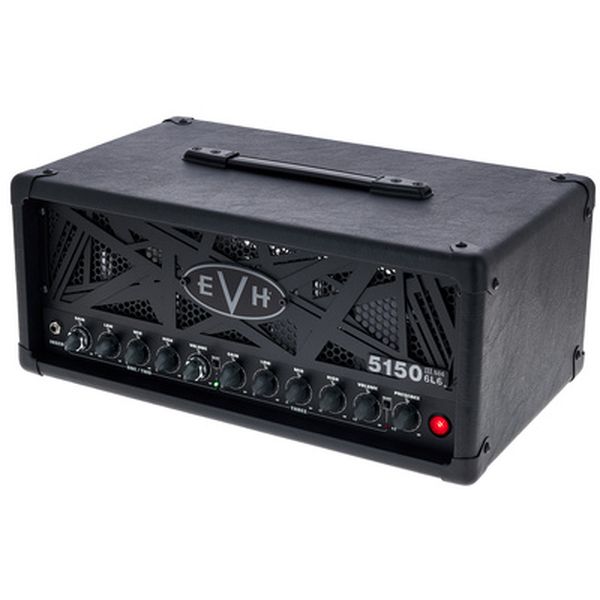
It is the latter model that can be heard on Van Halen’s ninth album, For Unlawful Carnal Knowledge. Eddie Van Halen particularly appreciated the clarity this head retained despite its hugely generous amount of gain, all with the typical brightness of 6L6 power valves. That sound therefore served as the basis for the development of his signature amp with Peavey, the famous 5150. Designed by engineer James Brown and Eddie, this monster was released in 1992 and very quickly became the new high-gain benchmark. The clean channel is decent but incidental; everything happens in the enormous, precise and almost percussive saturation it produces.
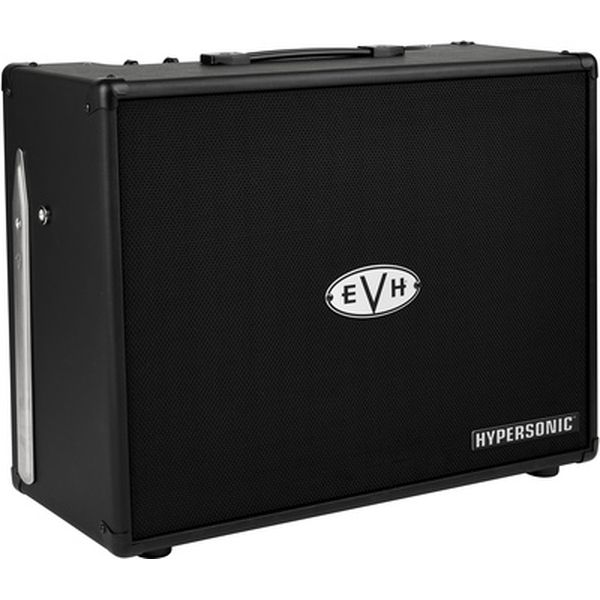
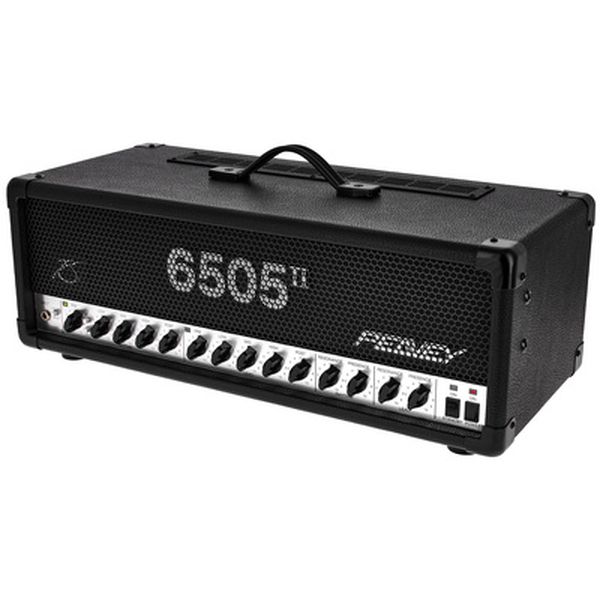
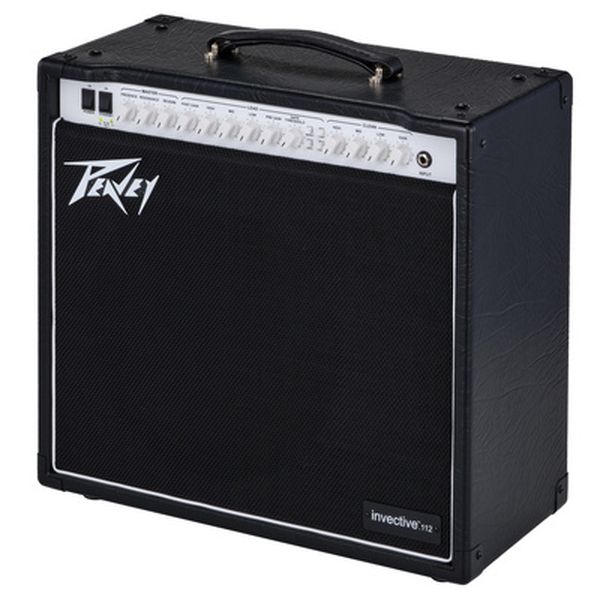
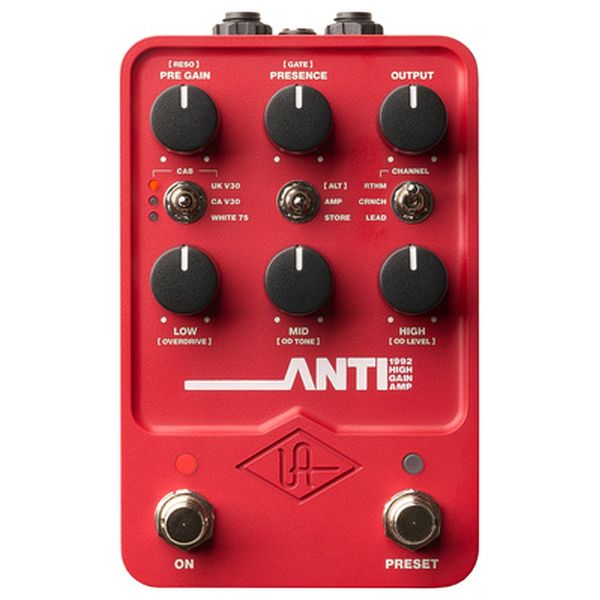
In 2004, Peavey signed Joe Satriani (which would lead to the JSX) and Van Halen went on to create his own brand, EVH, in partnership with Fender, which handles production. Today, you will therefore find both a whole 5150 range from EVH, including an EL34 version, a 6L6 version and the digital Hypersonic version, as well as the Peavey 6505, which uses the circuit of the original 5150. Peavey also has the Misha Mansoor signature Invective, which includes a high-gain channel heavily inspired by the 5150, and it is a sound you can also find in the Universal Audio Anti preamp.
Mesa Boogie Dual Rectifier
- Released: 1992
- Some users: Linkin Park, Limp Bizkit, Alice In Chains, Bad Religion, Rammstein, Metallica, Tool, Korn, Soundgarden, Foo Fighters, Blink 182, System Of A Down
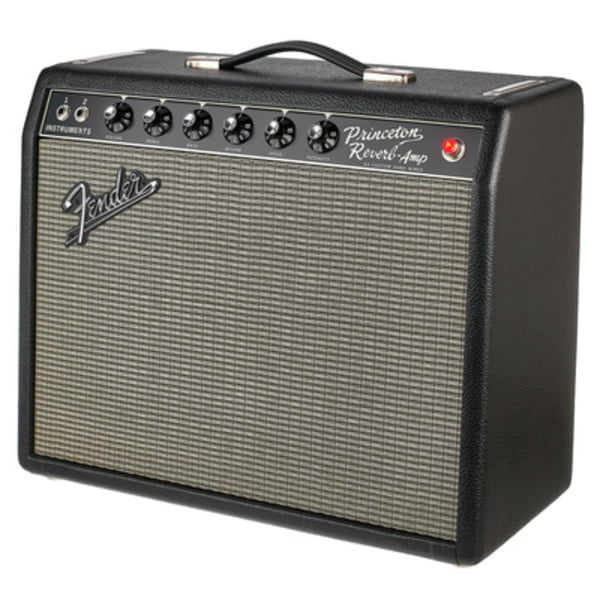
Mesa Boogie had already won over many musicians by inventing the first footswitchable amps with a considerable gain reserve, first with modified Fender Princeton amps and then with the Mark series, particularly the legendary Mark IIC+ (used by Metallica, Prince and Dream Theater, for example).
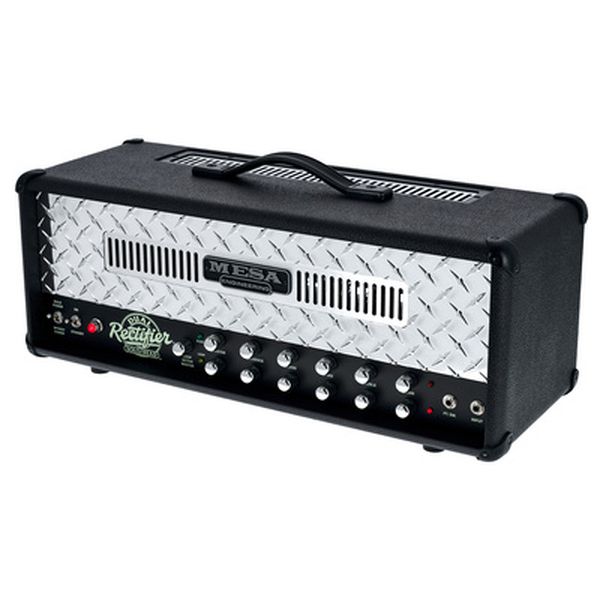
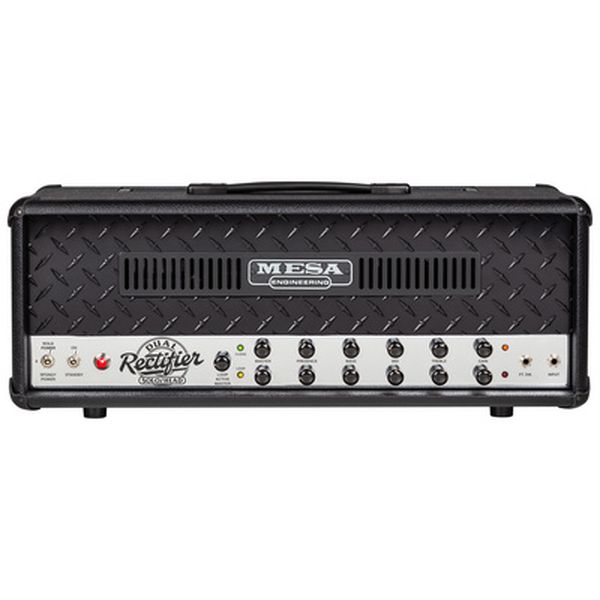
But the brand changed the game when it released the Dual Rectifier in 1992. More gain, huge yet tight low end, razor-sharp highs, obscene power, and even a ruthless look with its stamped metal faceplate like a heavy-duty truck: all the ingredients were there to become the tool of modern metal. To make matters even better, the Dual Rectifier is particularly versatile, as it can also deliver a beautiful Fender-style clean tone and a very convincing big crunch, especially with the option to choose between valve or diode rectification (hence the name).
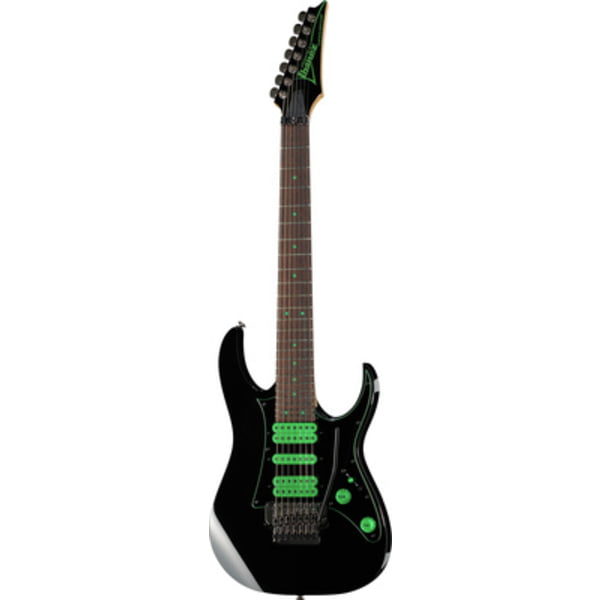
The nü-metal wave in particular would make the Dual Rectifier’s reputation, becoming the essential accessory for any self-respecting Ibanez 7-string owner, preferably with dreadlocks. By 2000, 70% of the brand’s sales were Dual Rectifiers—that says it all.
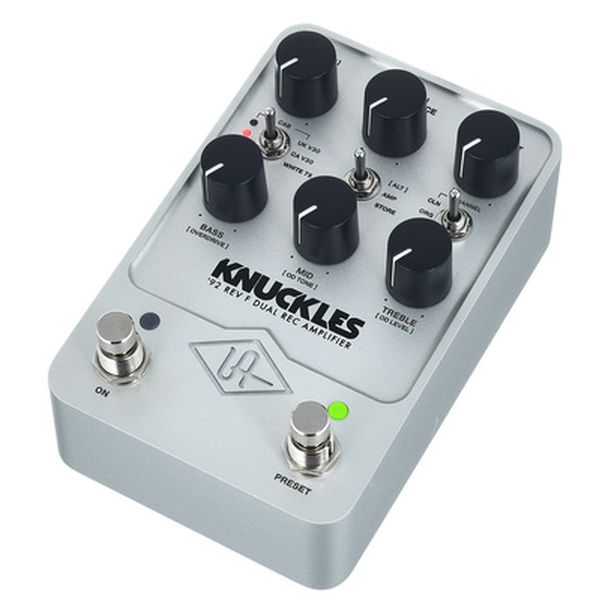
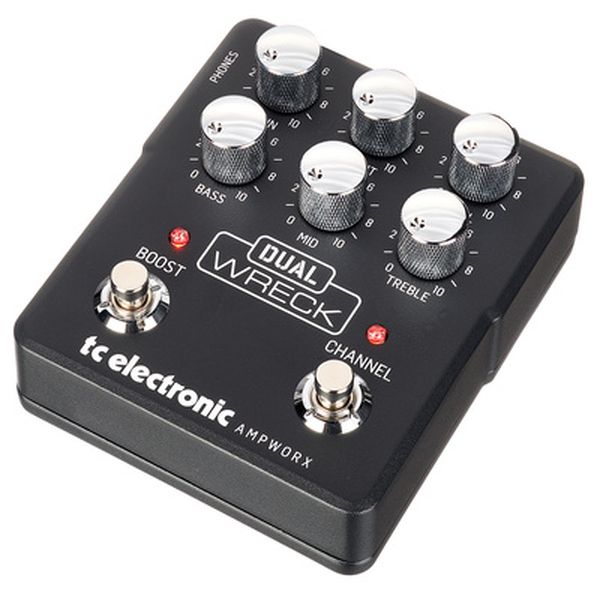
Even though the Dual Rectifier craze cooled off in the 2010s, the reissue of the 90s Dual Rectifier in 2025 showed there is still an audience for this all-time classic, and it can also be found modelled in the Universal Audio Knuckles and the TC Electronic Dual Wreck Preamp.

Diezel VH4
- Released: 1992
- Some users: Tool, Metallica, Korn, Muse, Megadeth, Alter Bridge, Smashing Pumpkins, John Fogerty
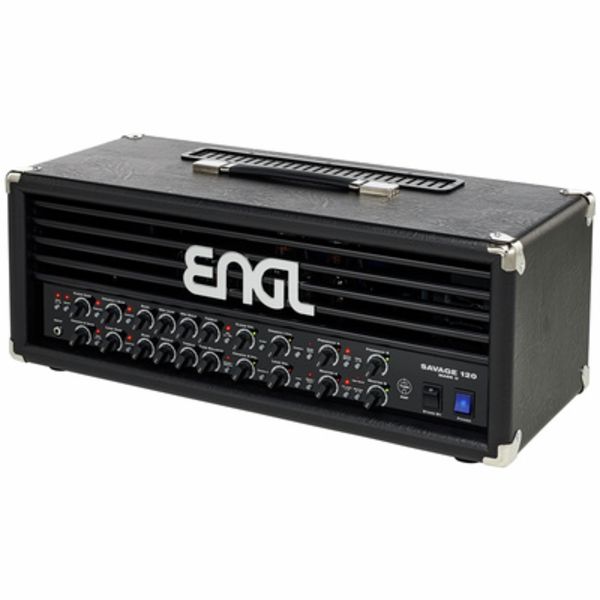
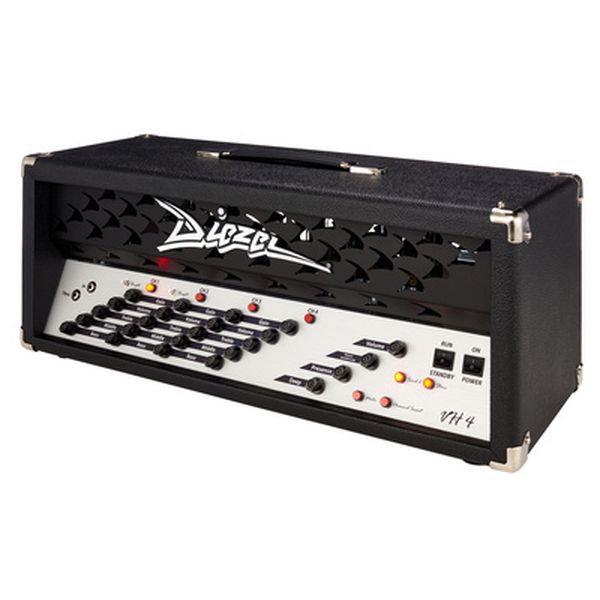
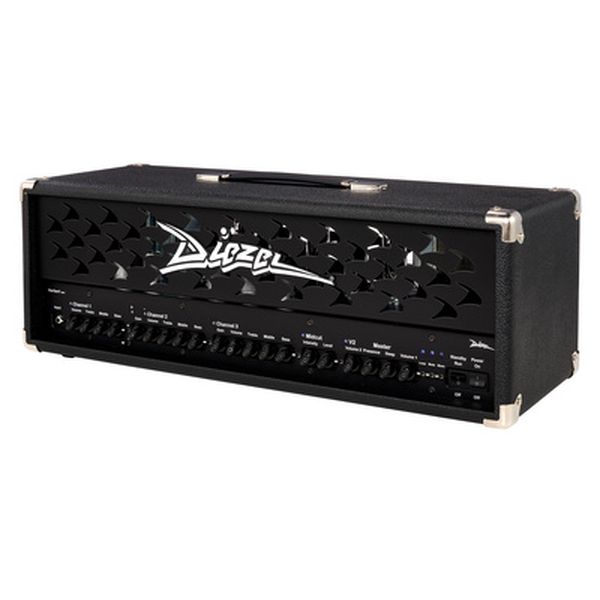
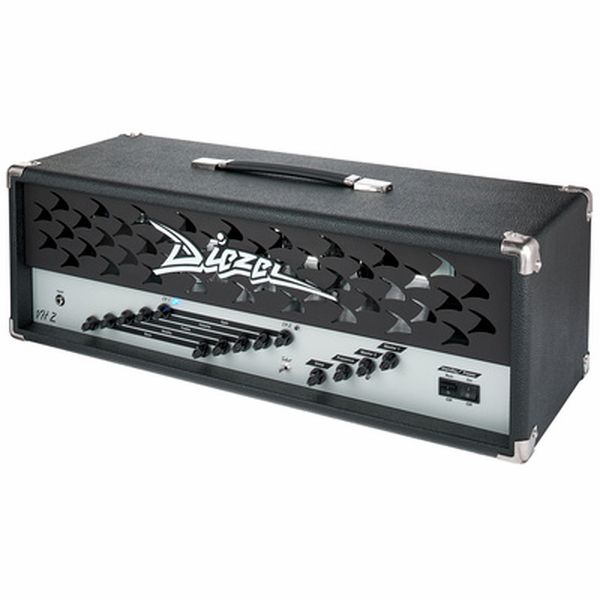
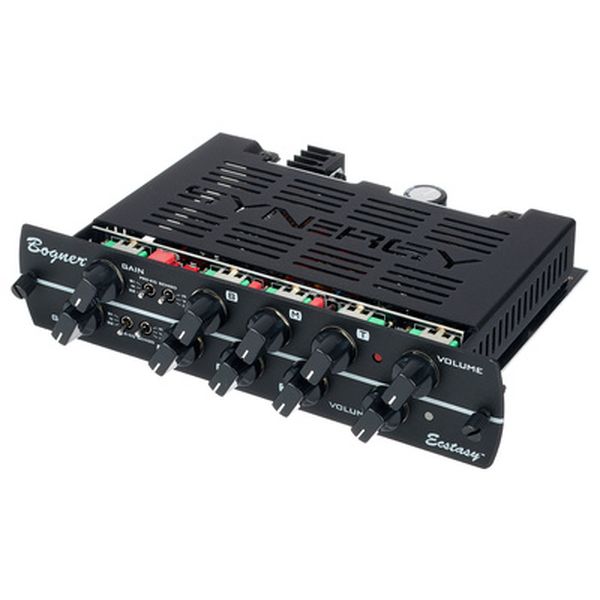
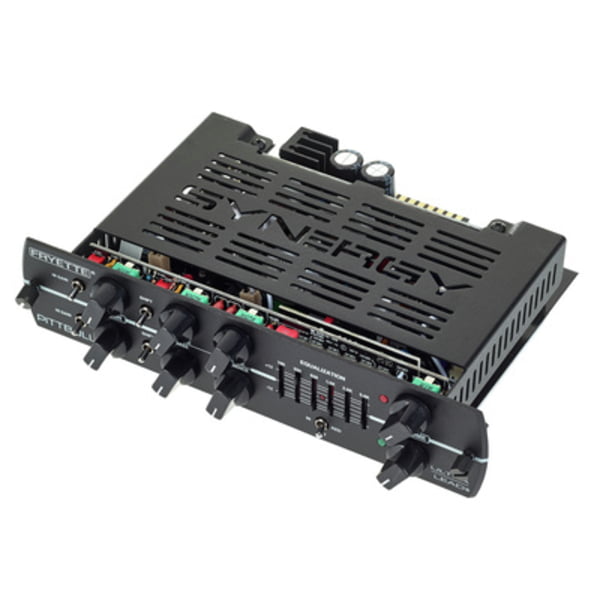
That’s right, the three amps that defined the transformation of metal tone all date from 1992! There must have been something in the air at the time… Especially when you consider that the Bogner Ecstasy (Steve Vai’s favourite) and the VHT Pitbull Ultra Lead (heard with Helmet and Slipknot), two other classic references, were released that same year, with the Engl Savage 120 (Gary Holt, Jeff Loomis) joining them the following year.
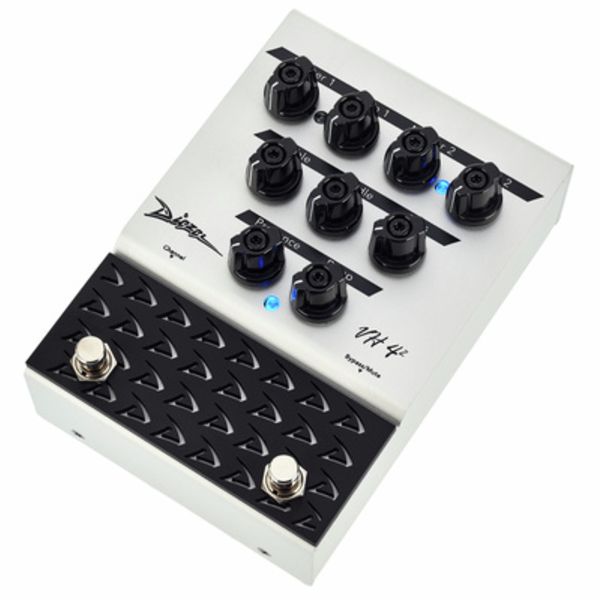
Peter Diezel was a professional guitarist in Munich in the 80s, and he began modifying his Marshalls because he couldn’t find the sound he was after. Except that those modifications led him to a radically different tone that remains extremely precise despite colossal low end and generously thick low mids. Not to mention the insane gain reserve on the famous third channel, soberly named Mega. It is this channel in particular that built the VH4’s reputation, although the other three are far from just making up the numbers.
Diezel later developed a fascinating range with the enormous headroom of the 180-watt Herbert, the more vintage character of the Hagen, and the simplicity of the two-channel VH-2. But the VH4 remains the brand’s best-seller, including in pedal form.
Orange Terror
- Released: 2006
- Some users: Slipknot, Mastodon, Eagles Of Death Metal, Fall Out Boy, Clutch
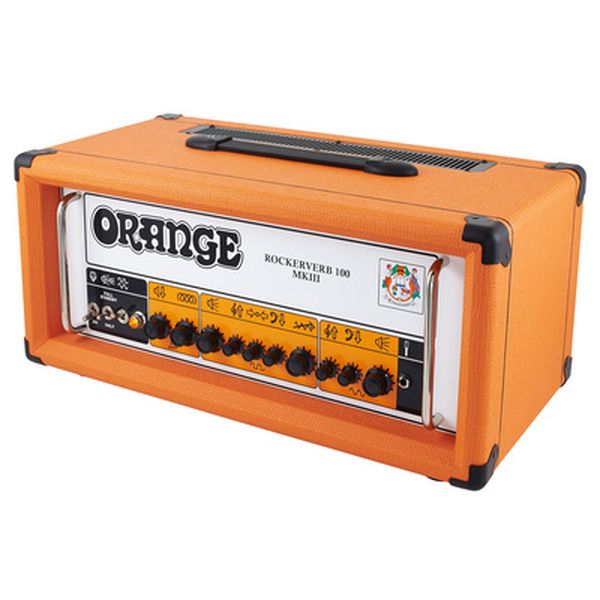
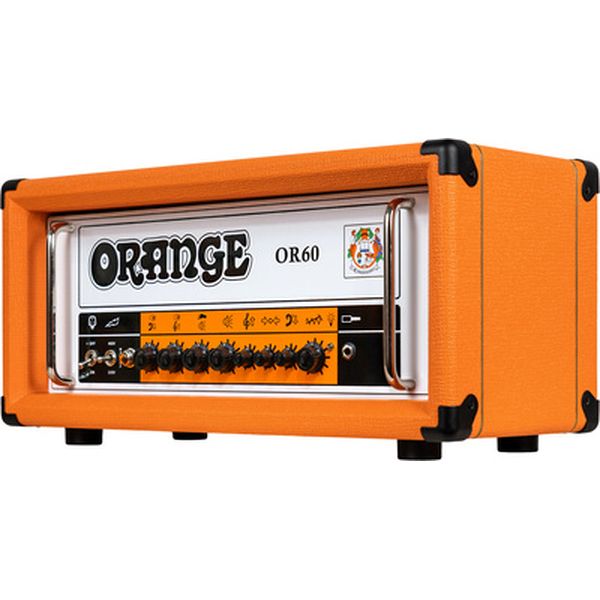
We could obviously have chosen one of Orange’s monsters such as the Rockerverb or the OR-100, and there is no denying that these models played a central role in the sound of stoner, doom and sludge. But the Tiny Terror holds a special place in this story, as it single-handedly launched the lunchbox amp trend. For the first time in 2006, massive metal tone was no longer automatically associated with brutal weight and deafening volume. You could easily carry your head on the tube, use it at home and in poorly soundproofed studios, and the tone was far from laughable. More rock than metal in character, the Tiny Terror had strongly forward mids not too far removed from the JCM800. Faced with its huge success (10,000 amps sold in 2006 alone!), Orange doubled down by releasing the Dark Terror, the Jim Root signature Terror, the Dual Terror, the Micro Terror and the Terror Stamp.
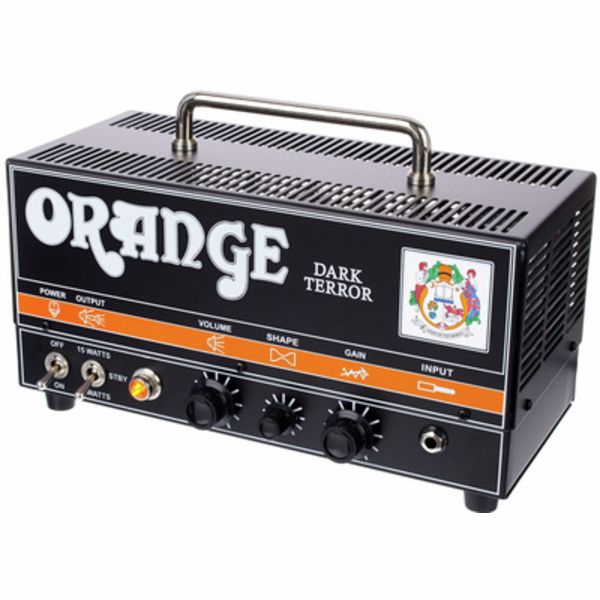
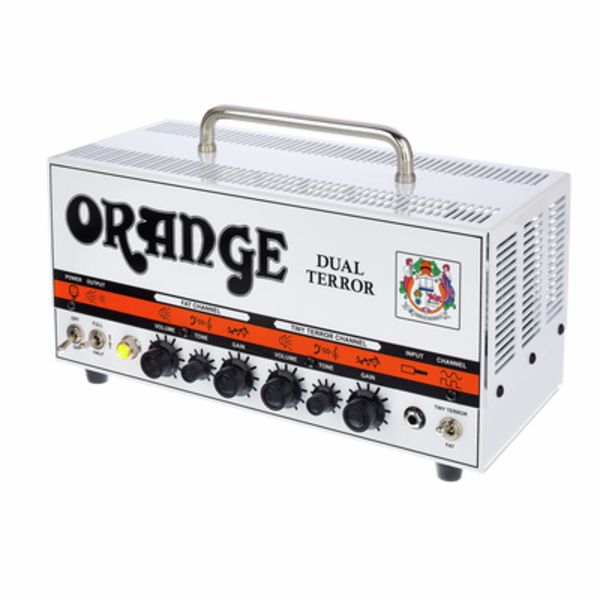
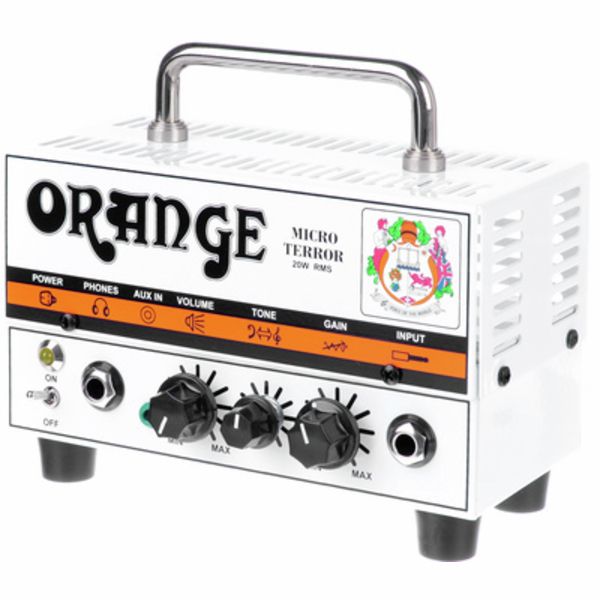
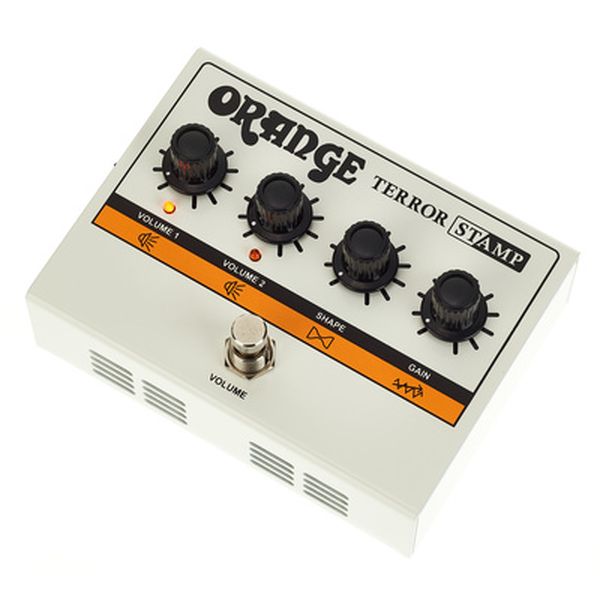
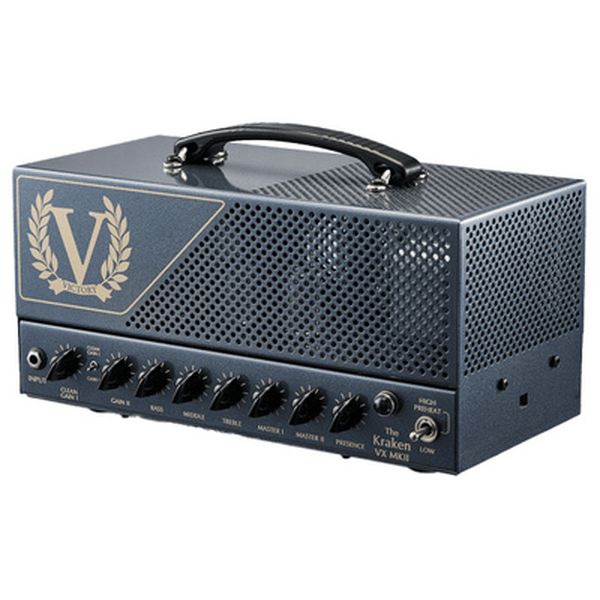
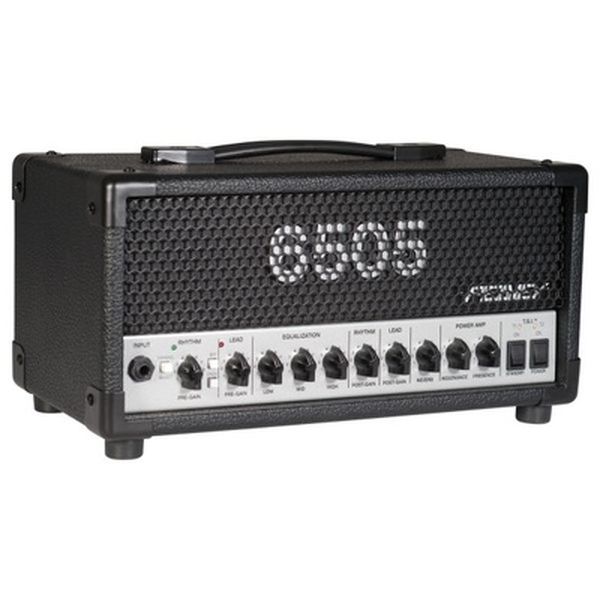
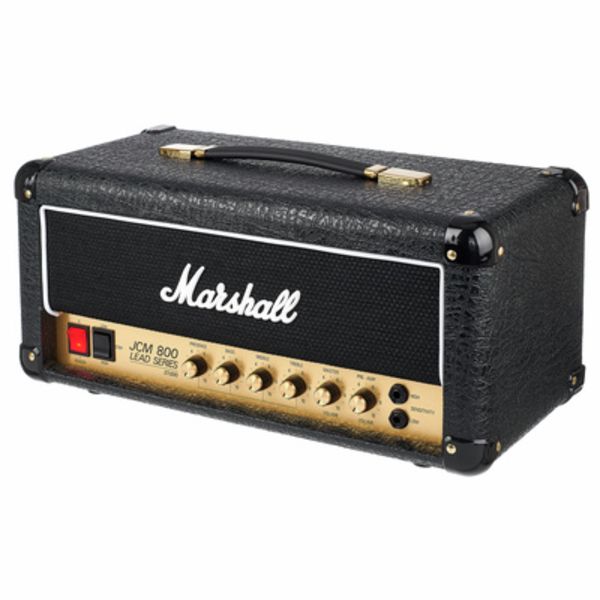
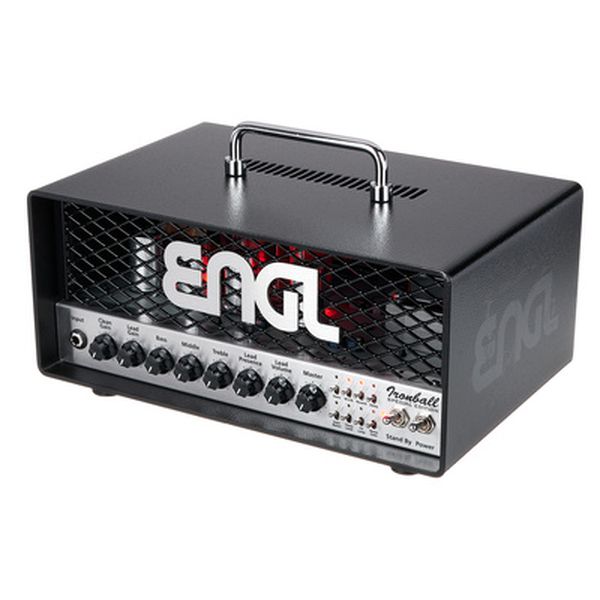
Today, Orange has discontinued the Tiny Terror but still offers most of its spin-off models. And other brands were quick to offer their own take on the concept. Examples include the Victory Amplifiers VX Kraken MKII Lunch Box, the Peavey 6505 MH, the Marshall Studio Classic SC20H and the Engl E606 Ironball Head 20 SE. A whole pack of little beasts that sound like the monsters of the past, much to the delight of our lower backs and our eardrums.
This article is an adaptation of a piece originally written by Julien Bitoun, who is credited as the author of the original French t.blog article.


Comments 0
No comments yet.