

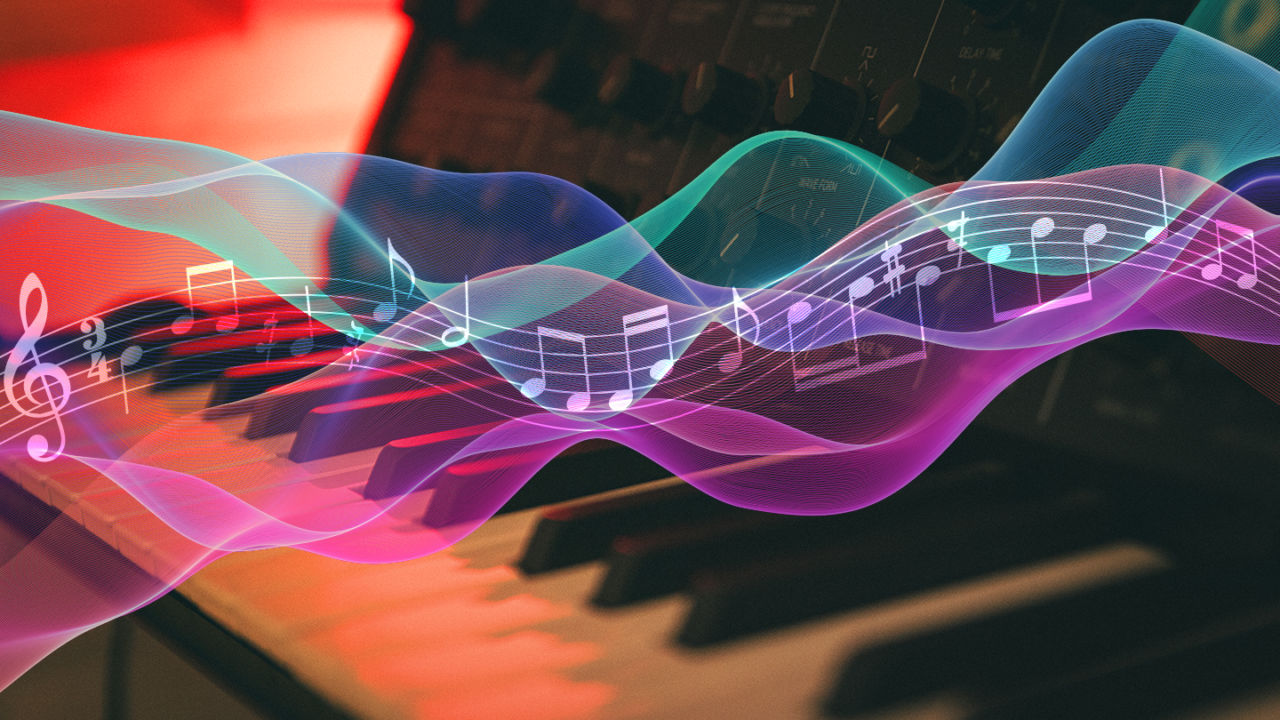

Many classical musicians experiment with electronic music, driven by a desire to explore new soundscapes. This has led to the development of new genres such as neoclassical electronica and electro-classical fusion. Some renowned artists combine classical instrumentation with electronic elements, while others arrange pop songs with classical instruments or blend classical pieces with electronic beats. And this kind of crossover is very much in vogue. Some even claim it is the future!
Experimental instrumentation, minimalist interpretation
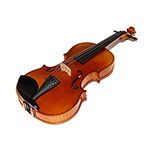
Besides instruments traditionally associated with classical music, genres like electro-classical and neoclassical music incorporate additional, modern elements. Traditional instruments like piano, flute, and strings are often used in a very minimalist way.
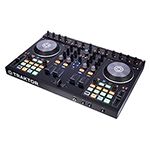
The instrumentation is complemented, for example, by synthesizers, drum machines, samplers, ambient pads, or field recordings, which provide artists with almost unlimited freedom of experimentation.
No more outdated conservatory rules
Conservatories rarely teach students to broaden their horizons by looking beyond their own field to other genres. Sure, there have always been new interpretations of works by famous composers, sometimes hundreds of years after the piece was originally written.
But genre-defying crossovers with a non-conformist mindset have only really been a thing for a few decades. This has given rise to a very special scene of artists who advocate a departure from strict conservatory rules in favour of a more experimental and unrestricted approach.
Instruments and defining characteristics of neoclassical music
One of the defining attributes of electro-classical music is reduction. Instead of complex arrangements and large ensembles, many composers in this genre focus on individual instruments, placing the respective voices and unique soundscapes at the centre of attention.
The resulting combinations of instruments differ widely from those used in conventional classical and symphonic music, especially orchestral music.
Unique timbres through extraordinary synergy
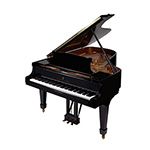
The piano is the focal point of many compositions. It is often combined with string, wind, and electronic instruments, but also with instruments such as the accordion, double bass, flute, or cello. Many artists further enhance the resulting unique timbres by adding samples and effects or even creating novel soundscapes through the interplay of instrumental compositions and DJing.
SYMPHONIACS: deliberate rupture and creative friction
Featuring an international cast of young classical virtuosos, the electro-classical project SYMPHONIACS is led by Berlin-based producer, composer, and electronic artist Andy Leomar. He had the idea of bringing together young classical rebels from all over the world who view the combination of classical music and dance grooves not as a contradiction, but rather an inspiring fusion.
The electro-classical project defies categorization: with its futuristic classical-meets-club attitude, it unites two genres that at first glance may seem an unlikely pairing, giving new life to centuries-old tradition.
Max Richter: orchestral sounds with electronic textures
One of the most influential and renowned composers of his generation, Max Richter is known for his ability to seamlessly blend traditional orchestrations with modern electronic elements. His unparalleled ability to translate profound human experiences into musical compositions has earned him a loyal worldwide fan base, with his catalogue recording over three billion streams to date. In September of 2025, Richter celebrated the tenth anniversary of his groundbreaking “SLEEP” project with his biggest shows to date. His works, such as “On the Nature of Daylight”, often combine orchestral sounds with electronic and ambient textures.
Max Cooper: symbiosis of music, visual arts, and research
Max Cooper has carved out a unique place for himself in the music world as an audiovisual artist with a PhD and an international reputation. In his installations, live performances, immersive audiovisual experiences, digital media, and award-winning music videos, he combines electronic music and visual art with scientific research. The exceptional British electronic music artist often integrates classical-style compositions into his works and is celebrated worldwide for his experimental approach. The trio that Max Cooper brings together in his concerts consists of electronic music, visual arts, and research, which makes him all the more outstanding in the field of immersive performance art.
Nils Frahm – a keen sense of reduction and control
Another hero of the scene is avant-garde composer, producer, pianist, and fascinating live artist Nils Frahm. When it comes to defining the space between classical and electronic music, few other names are mentioned as often as Nils Frahm’s.
With his unconventional yet intimate and familiar approach to a centuries-old instrument, Frahm has won fans all over the world. He has also gained recognition for his keen sense of reduction, control, and the breathtaking emotionality and personality he brings to his playing. His albums are praised internationally by critics and audiences alike, and his live concerts are regularly sold out.
Ólafur Arnalds – from electronica to minimalism
In just a few years, Icelandic composer Ólafur Arnalds has earned a reputation as one of the most brilliant and talented young composers in the world. The Icelandic composer, musician, and producer is known for his blend of classical piano, strings, and electronic textures. As an artist, he combines a neoclassical style with a variety of influences ranging from electronica to minimalism. And although he draws on a wide variety of sources for his music, he always retains his own unique sound. With “For Now I Am Winter”, he released his third studio album in 2013, which marked a stark departure from the sound for which he had been known until then. Thanks to his eclecticism, Ólafur Arnalds found his own niche in the very diverse electro-classical scene.
Francesco Tristano – between Bach and Detroit techno
Born in Luxembourg and fluent in five languages, Francesco Tristano began playing the piano at the age of five. In demand both in the international classical scene and in club culture, the versatile pianist, composer, producer, and DJ performs both as a pianist and as an electronic music artist, whether in renowned concert halls or at experimental festivals. With a musical range stretching from Johann Sebastian Bach to Detroit techno, Tristano explores and pushes the boundaries between classical and electronic music. His point of focus remains Johann Sebastian Bach: in 2023, Tristano founded his own label, intothefuture, on which he began publishing Bach’s complete works in the same year – starting with the English Suites and followed by the six Partitas in 2024.
Chilly Gonzales
His trademarks are a dressing gown and a pair of slippers. But apart from his outfit, Chilly Gonzales’ piano playing is the main focus of his idiosyncratic live shows. The Canadian pianist, entertainer, and Grammy winner skillfully eludes all attempts at stylistic pigeonholing.
His music is characterized by his eccentricity and creative power and incorporates elements of jazz, classical, pop, rap, and electronic music. In 2009, Gonzales set a world record when he gave a 27-hour marathon concert. In 2017, he released the collaborative project album “Room 29” with Jarvis Cocker on Deutsche Grammophon. Gonzales lives in Cologne. He also performs with Helge Schneider, among others, and produces electronic music.
What do you like the most about electro-classical music?
What do you like the most about electro-classical music? Feel free to share your thoughts in the comments!








Comments 0
No comments yet.