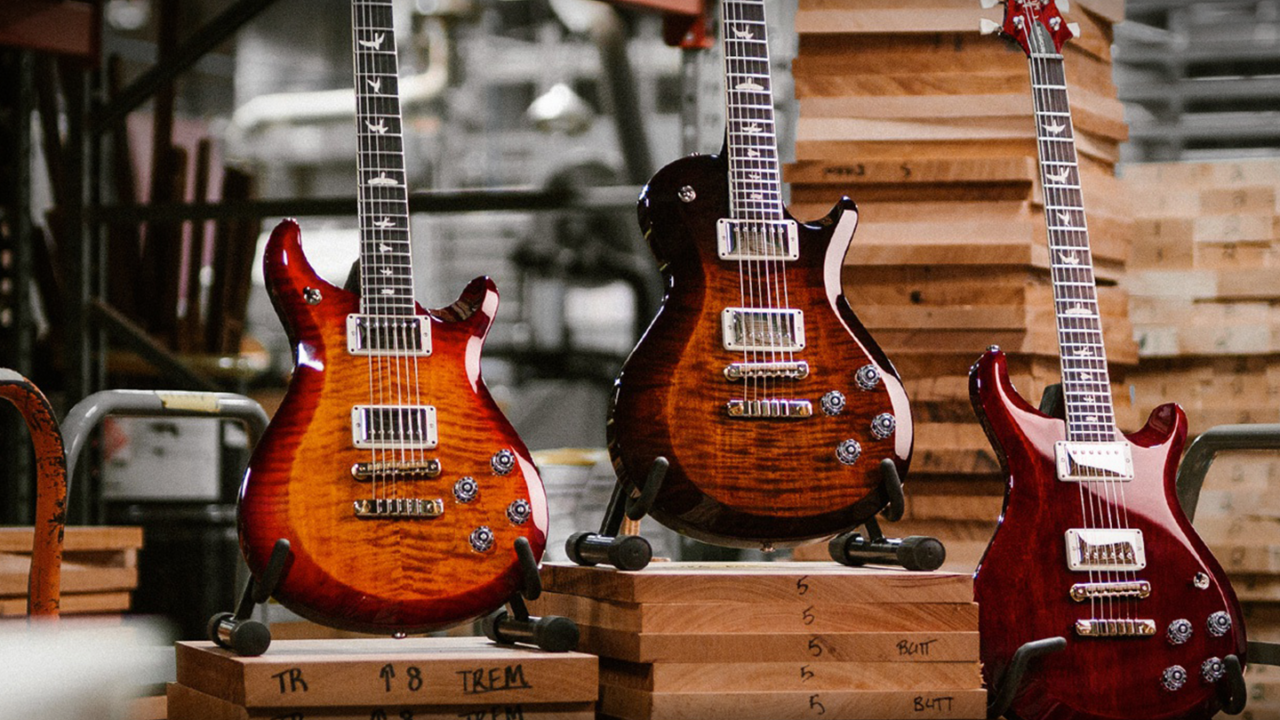

PRS was founded in 1985 by Paul Reed Smith in Annapolis, Maryland – and his initials gave the company its name. However, Smith had been building guitars since the mid-1970s. Instead of copying classics or following trends, PRS focused from the outset on precision, refinement, consistent quality, and the idea that a guitar should inspire from the moment you first play it.
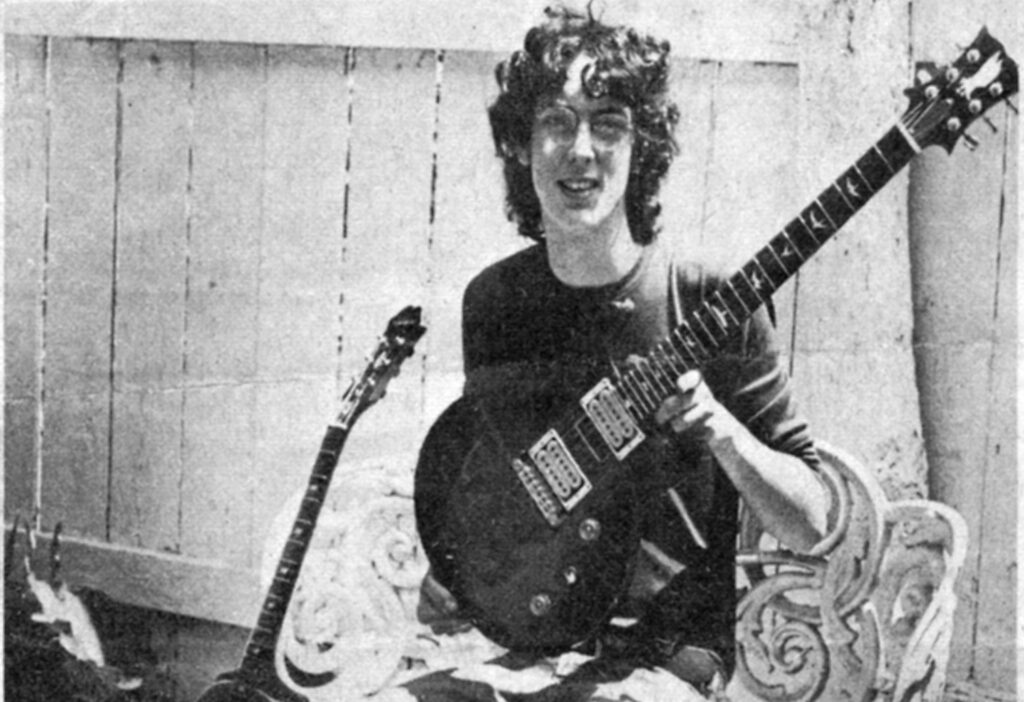
Paul Reed Smith during the early days
For Paul Reed Smith, guitar building was never just a craft, but always a problem-solving exercise. His early models were mercilessly tested on stage, repeatedly adjusted, and regularly submitted to experienced musicians for feedback. The aim was not to reproduce the “good old days”, but to tackle real challenges: tuning stability, clean intonation, ergonomic playability, reliability, and a balanced sound were at the top of the list.
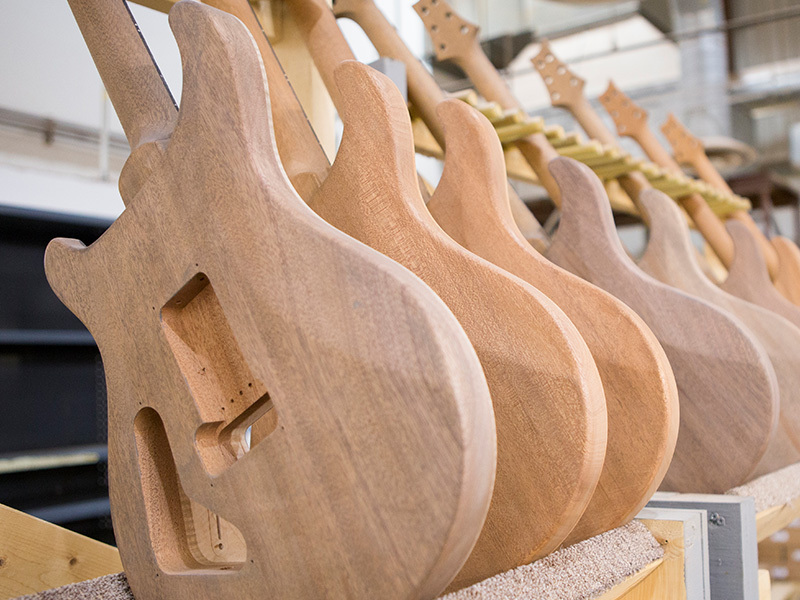
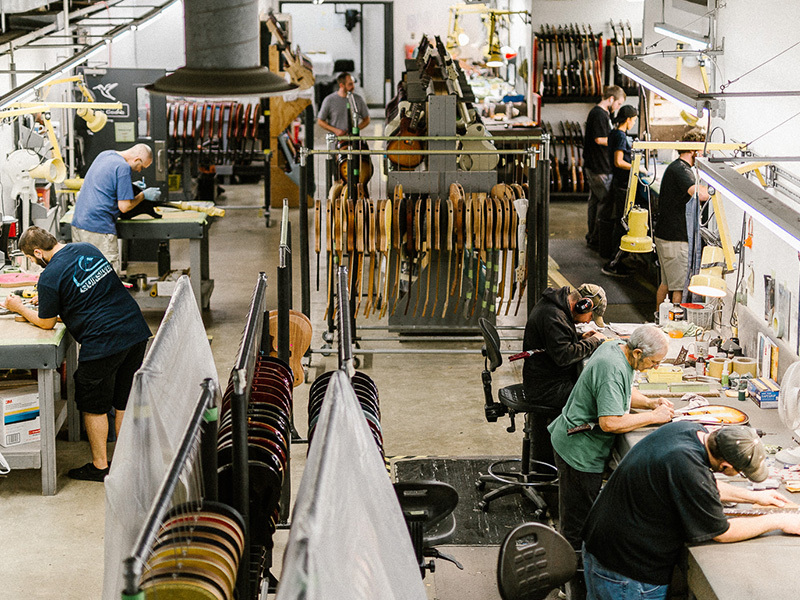
In the PRS workshop
The breakthrough came when the Custom 24 was unveiled at the 1985 NAMM Show. It combined a classic tone with modern design, excellent playability, and the iconic bird inlays. Another typical feature of PRS is the 25-inch scale length of many models – a middle ground between Gibson and Fender. On some guitars, such as the McCarty 594 (24.594″), the scale length is even part of the name.
Early support from musicians such as Carlos Santana allowed the brand to grow rapidly. The one-man operation became a large company that continued to expand its model ranges and improve details such as the material of the saddle or special pickup components – things you don’t always see, but can definitely hear and feel.
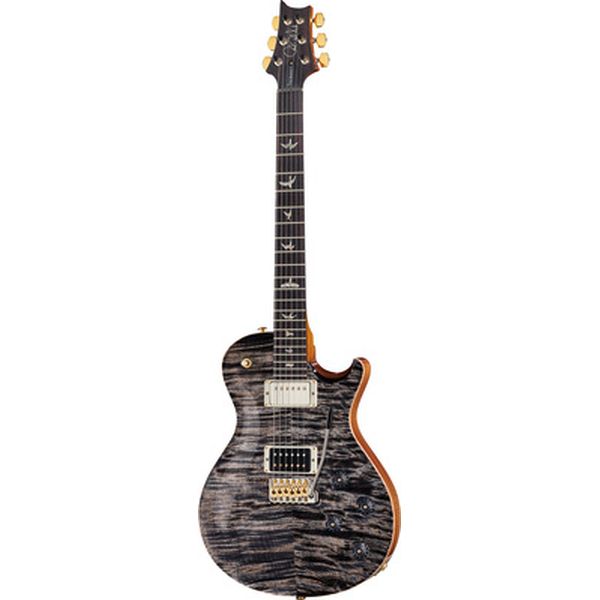
PRS
Mark Tremonti CH 10 Top
Today, PRS stands for innovation, outstanding craftsmanship, and a sound that covers practically everything from blues and jazz to modern metal. The elaborately flamed maple tops and bird inlays have long been iconic, and PRS guitars are now available in a wide range of price categories. Importantly, each product line has a distinct character – no lazy compromise, but a unique interpretation of the same clear philosophy. So it’s high time to take a closer look at the current lineup.
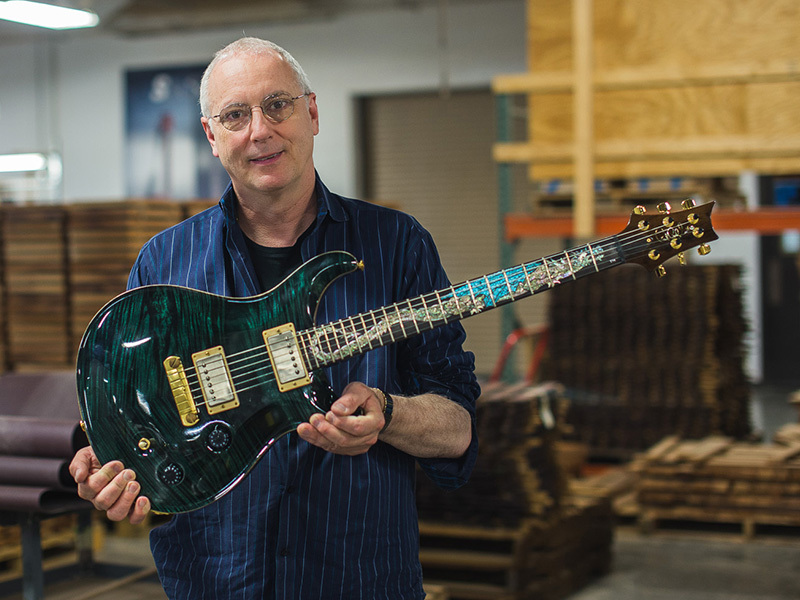
Paul Reed Smith today
Detailed overview of the PRS model series
1. Core Series – the heart and soul of PRS
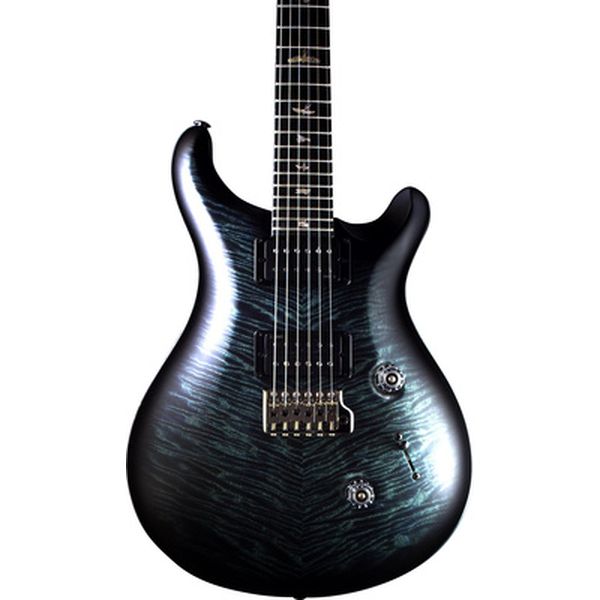
The Core Series represents everything PRS stands for: the highest level of US craftsmanship, first-class materials, and innovative designs. Manufactured exclusively in Stevensville, Maryland, these guitars are the benchmark for the PRS sound. They range from the more modern “Custom 24” guitars to the vintage-inspired McCarty models.
Why do the Core Series models cost so much?
The higher cost of PRS Core guitars starts with the materials. The carefully selected tonewoods, often with heavily grained maple tops, not only look great but are also perfectly tuned in terms of sound. The woods are dried, stored, and selected by PRS itself – a process that requires time and experience.
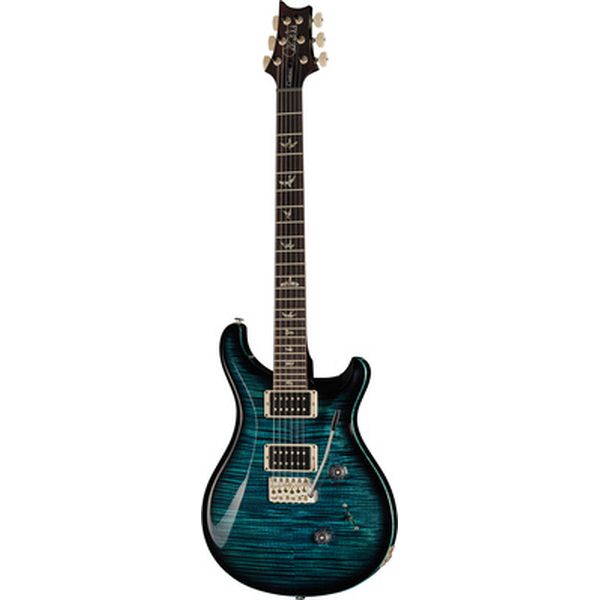
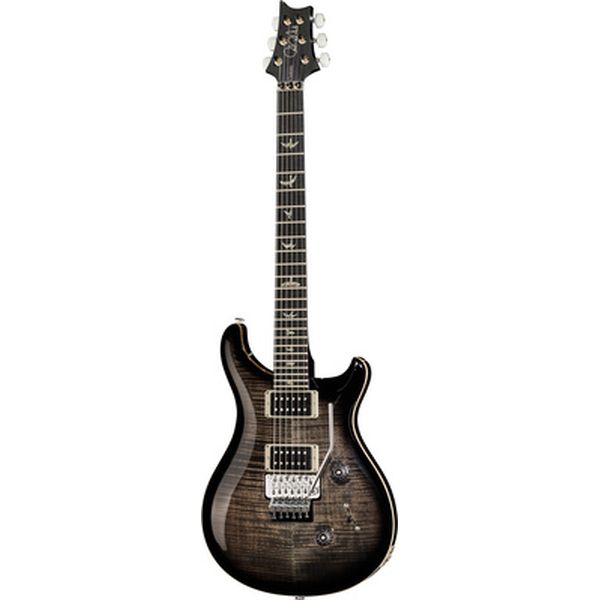
The craftsmanship is equally crucial. The necks and bodies are elaborately machined, the frets are precisely dressed, and the finish is applied in several layers. Many of these steps simply cannot be automated without sacrificing precision and accuracy – this is where the experience of PRS guitar builders really comes into play.
PRS also reaches for the top shelf when it comes to electronics and hardware. The Core models come with the latest PRS pickups, such as TCI or McCarty III, as well as high-quality, precision-crafted hardware.
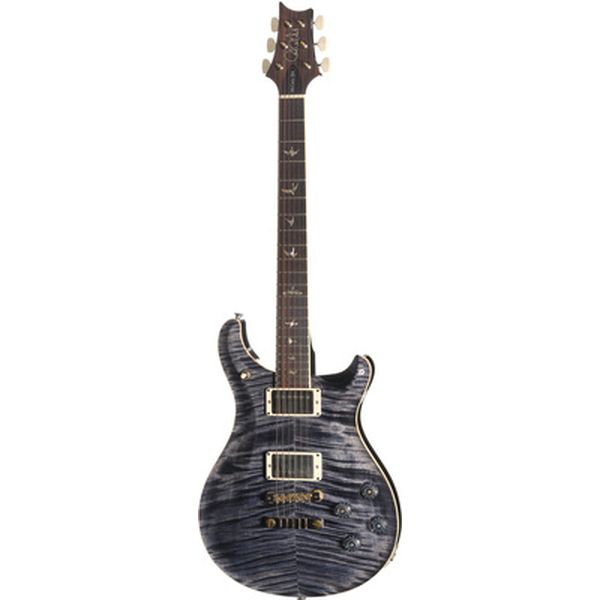
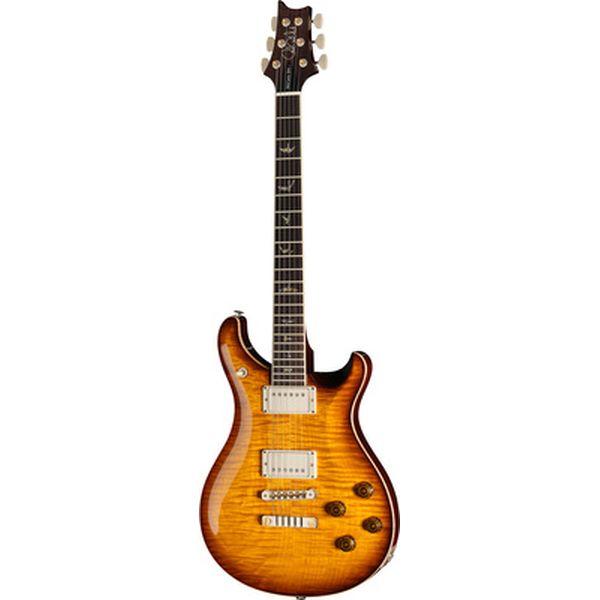

The result is an instrument that feels extremely balanced, responsive, and refined – with a consistency that professionals can rely on at all times.
Typical features
- High-quality maple tops, some with spectacular grain patterns
- Premium mahogany body
- High-quality PRS pickups (e.g. DMO Series, McCarty III)
- Precise workmanship, flawless finish
- Bird inlays made from high-quality material
Popular models
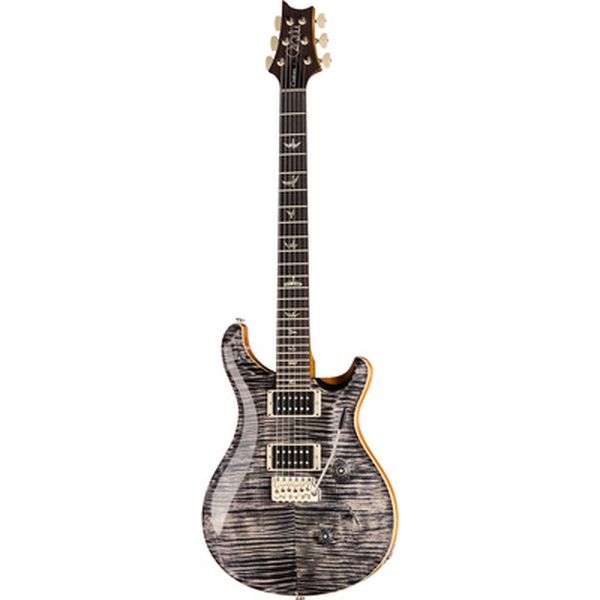
- Custom 24 (624323): The PRS icon! 24 frets, PRS tremolo, very versatile.
- McCarty 594 (630179): Vintage tone, PRS two-piece bridge, inspired by classic single-cut guitars.
Who are PRS Core Series guitars suitable for?
Professionals, tone enthusiasts, and all guitarists looking for an extremely versatile, premium-quality instrument.
2. S2 Series – US quality with a modern, slim contour
The S2 Series (“Stevensville Second Line”) cleverly bridges the gap between Core and SE. These guitars are also built in the USA – in the same factory in Stevensville – but with a more efficient manufacturing process. The visual details are deliberately kept simpler, the tops are less elaborately decorated, and some steps have been adjusted to save time and effort.
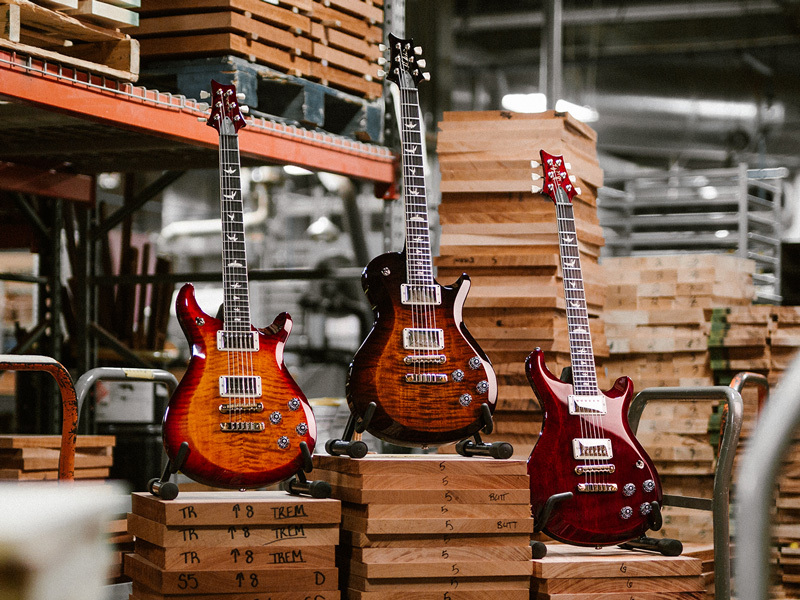
However, the important things remain unchanged. S2 models come with US-made PRS pickups, high-quality hardware, and the same focus on playability and an excellent setup. While the appearance is slightly less elaborate, the sound, feel, and reliability are spot-on.
Special features
- Same manufacturing facility as the Core series
- Slightly less elaborate tops
- US-made PRS pickups (e.g. 85/15, 85/15 LT)
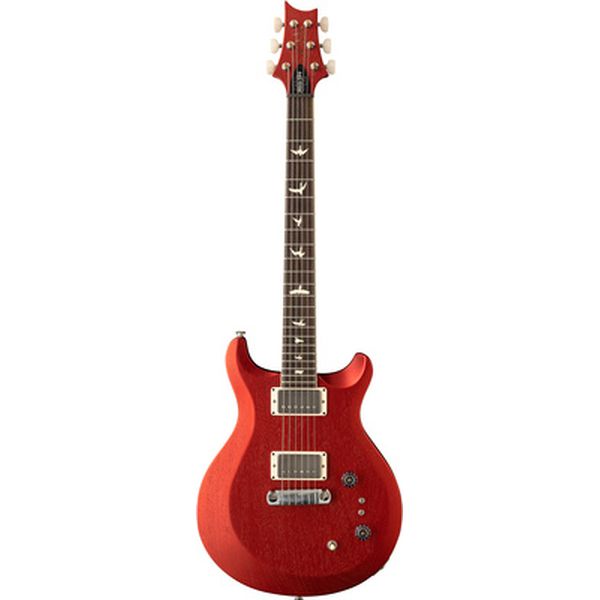
Important models
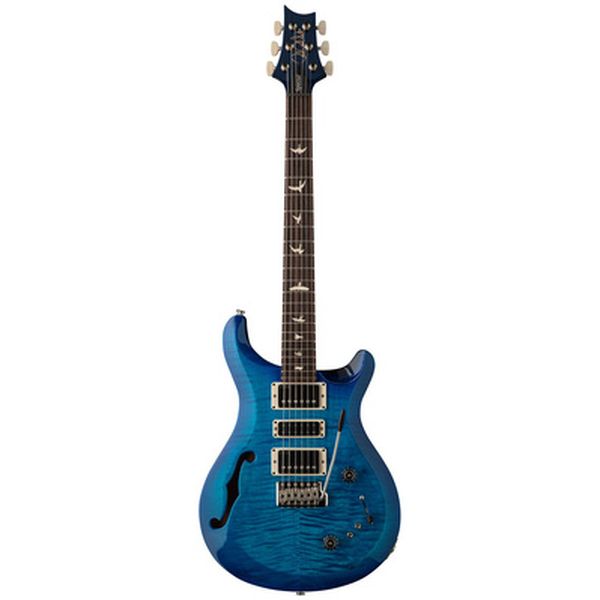
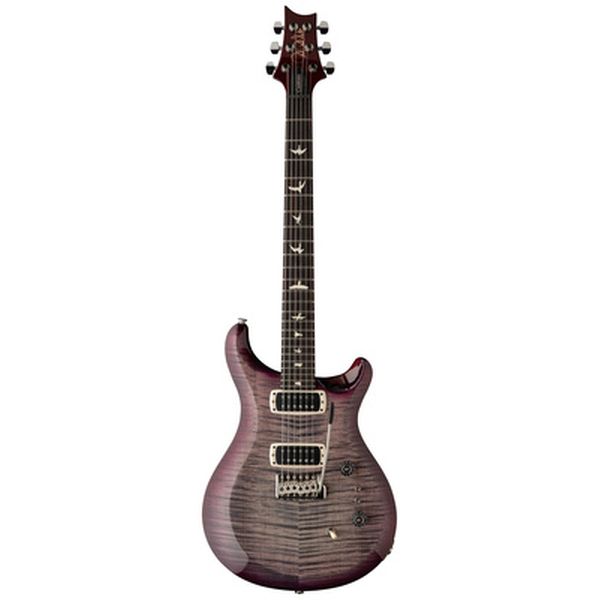
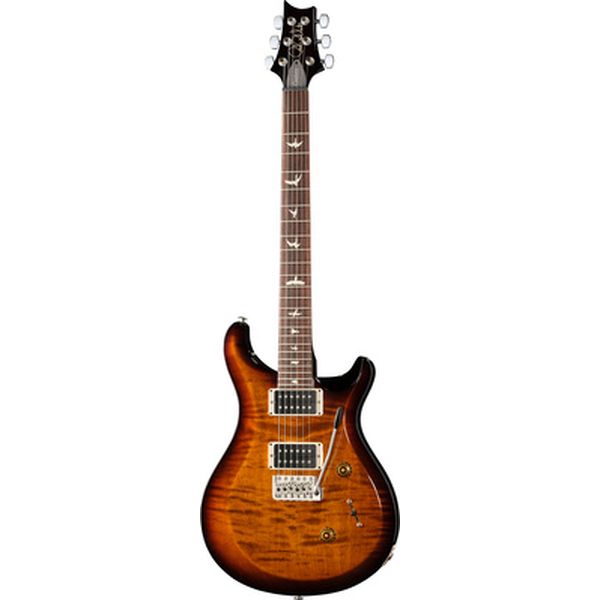
- S2 Custom 24 (630561): Modern PRS style, a slightly simpler version of the Custom 24 with 85/15 humbuckers
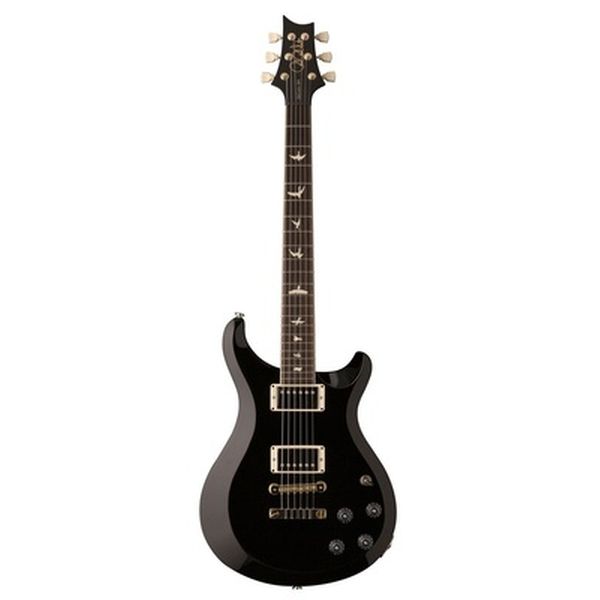
- S2 McCarty 594 Thinline (590283): 22 frets, slightly thinner body, vintage-oriented tone with 85/15 LT pickups
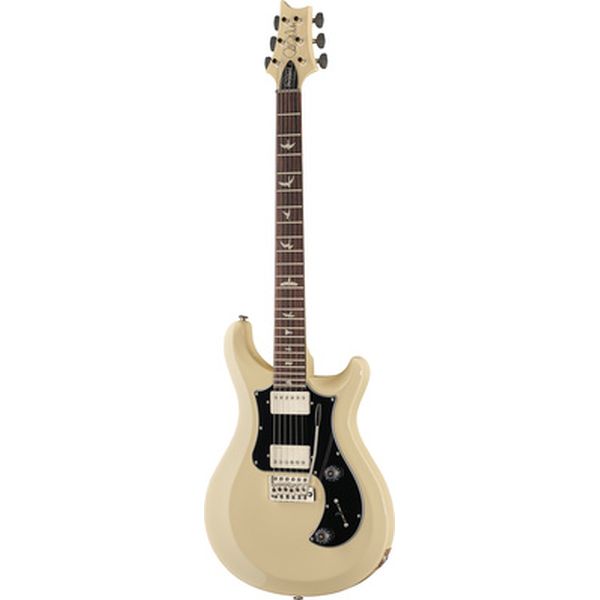
- S2 Standard 24 (569033): Punchy and focused – stylish look with a large pickguard
Who are S2 Series guitars suitable for?
Ambitious guitarists who want US quality but don’t want to pay top dollar. Ideal for musicians who are on stage a lot and want to play a very high-quality instrument.
3. SE Series – PRS for every budget
Although the SE Series (“Student Edition”) was originally created to make PRS guitars more affordable, it is now much more than just a beginner’s line. SE models are manufactured in China and Indonesia under strict PRS supervision. Like all PRS guitars, they are designed in Maryland and built according to clearly defined standards. Compared to the Core and S2 series, different materials and production methods are used, but the basic idea remains the same. The focus is on reliability, consistent quality, and great value. With veneered tops instead of intricately carved maple tops and PRS-designed pickups, the instruments are designed to be produced in larger quantities. This makes it all the more impressive how much playing comfort and musical versatility the SE guitars still offer.
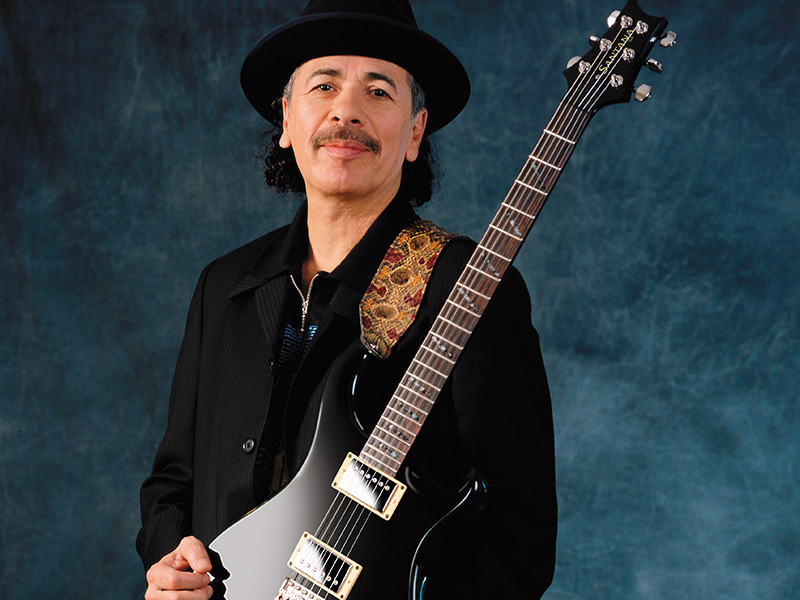
Carlos Santana, introduction of the SE in 2001
Special features
- Typical PRS style and appearance
- Excellent workmanship
- Solid wood body, often with veneer tops
- PRS-designed pickups
- Excellent value for money
Popular models
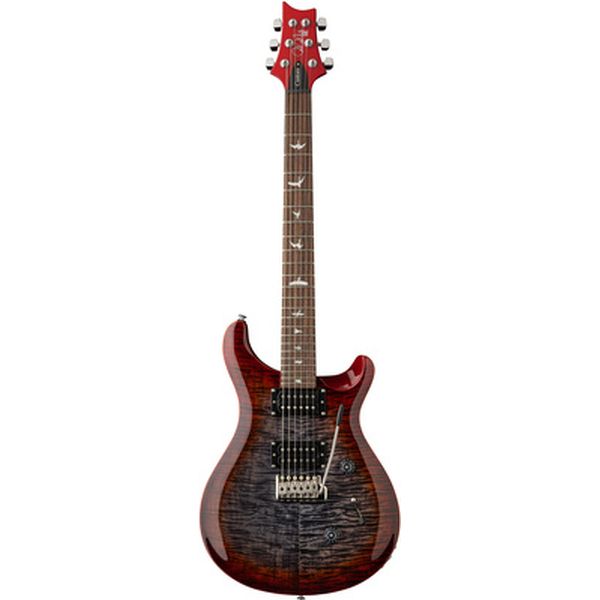
- SE Custom 24 (613718): The affordable version of the classic from the SE Series
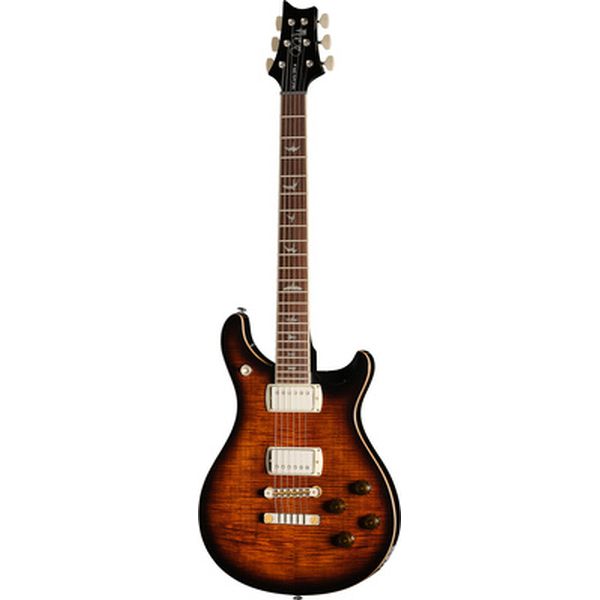
- SE McCarty 594 (559159): The McCarty model from the SE Series
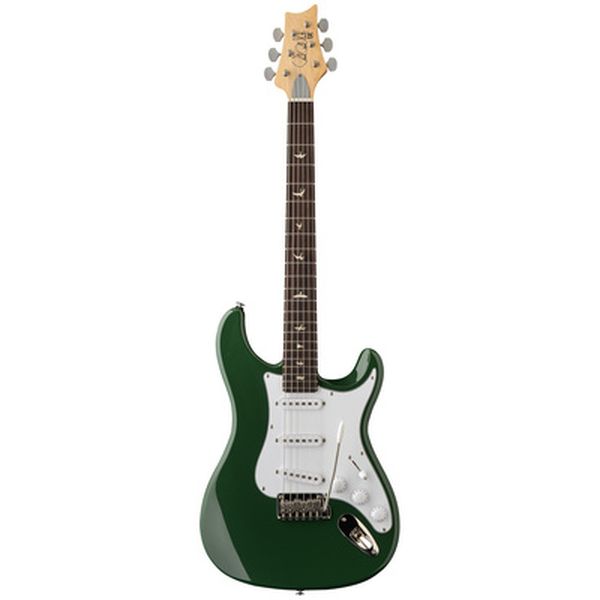
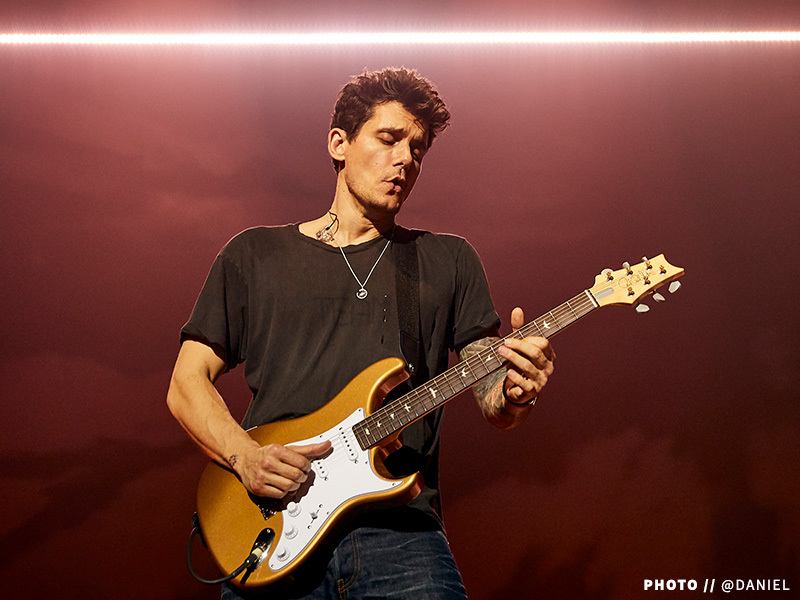
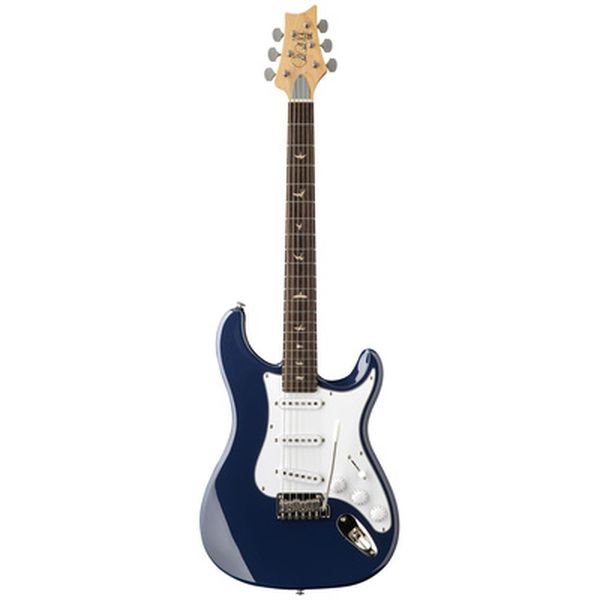
- SE Silver Sky (623602): John Mayer model, a modern Strat alternative with a bolt-on neck
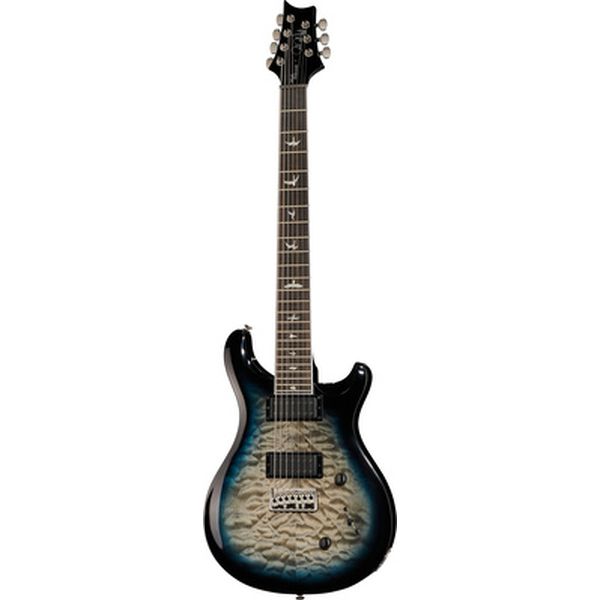
- SE Mark Holcomb SVN (559178): 7-string with hotter pickups – perfect for metal!
Who are SE Series guitars suitable for?
Beginners, advanced players, and guitarists looking for an honest, reliable instrument with high-quality workmanship at a reasonable price. Even many professionals rely on SE models as backups on stage.
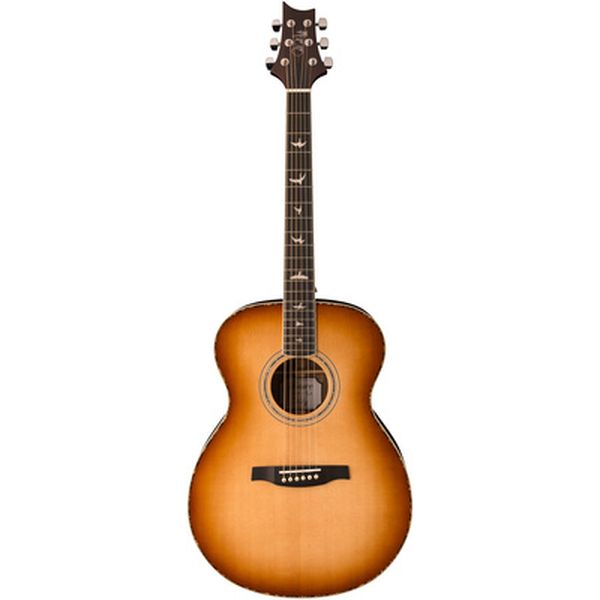
4. PRS acoustic guitars – more instrument and tone, less tradition
PRS also goes its own way when it comes to building acoustic guitars – with plenty of curiosity and little respect for convention. Paul Reed Smith was inspired by an extraordinary nylon-string guitar from Torres, which impressed him with its surprising volume, rich bass, and clear tone. The key takeaway was that the top should function like a loudspeaker, while the back and sides form the stable body.
This is precisely the principle behind PRS steel-string acoustic guitars. Strongly braced backs and sides dampen unwanted vibrations, while the top can vibrate freely thanks to the PRS Hybrid X/Classical Bracing. This approach increases clarity and volume without excessive body resonance.
Angelus models
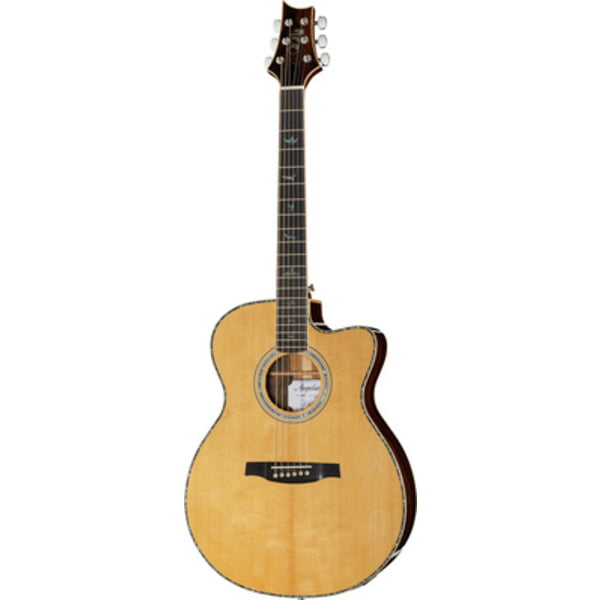
The Angelus models – named after the Latin word for “angel” – are known for their clear highs, tight bass, and pleasantly balanced mids. Thanks to the cutaway design, even the high frets are easily accessible, making them particularly attractive for fingerstyle players. At the same time, they remain versatile enough to feel at home in a wide variety of styles.
Tonare models
Tonare means “thunder” – and that’s exactly what these models deliver: more volume, more punch, and a powerful low end. They are perfect for strumming, flatpicking, and dynamic playing. Available in Grand and Parlor sizes, they offer a different playing feel depending on the design, but always remain balanced and assertive.
SE Acoustic models
PRS SE acoustic guitars bring this design philosophy to a much more affordable price range. Solid tops, proven Hybrid X/Classical bracing, PRS-developed Fishman electronics, and comfortable neck profiles ensure professional performance – without the boutique price tag.
5. Private Stock – the absolute top class
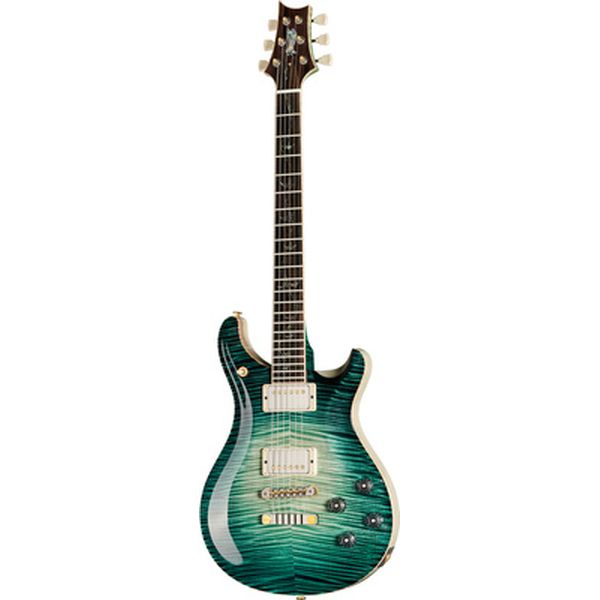
If money is no object and you want THE perfect instrument, there’s no getting around Private Stock. This workshop builds individual, one-of-a-kind instruments with the utmost attention to detail.
Typical features
- Hand-selected, rare woods (e.g. Brazilian rosewood)
- Elaborate inlays (birds, dragons, custom motifs)
- Special finishes, often unique
- Highly customizable designs and features
- Extremely low production numbers
Models
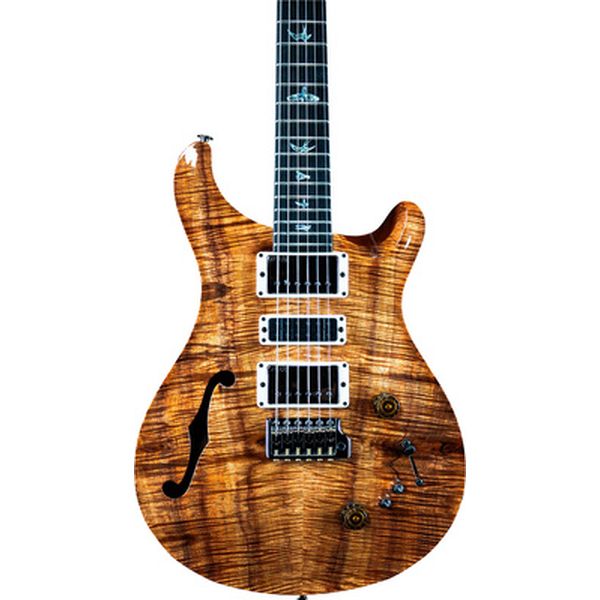
- PRS PS Special SH Natural (599649): Semi-hollow body made of African mahogany with an HSH pickup configuration
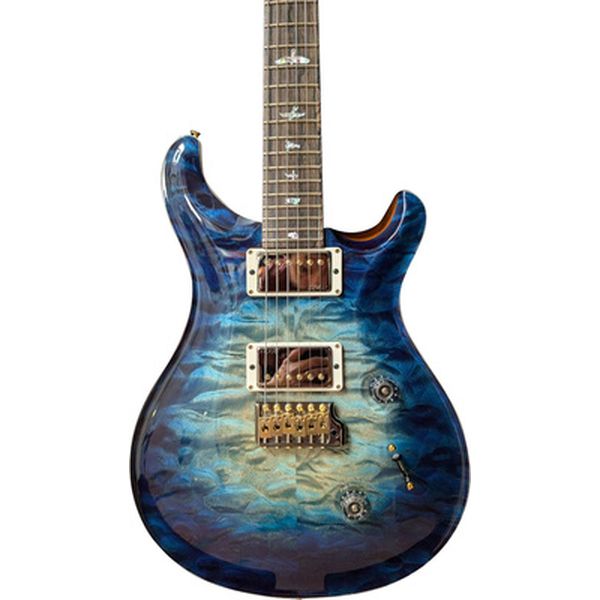
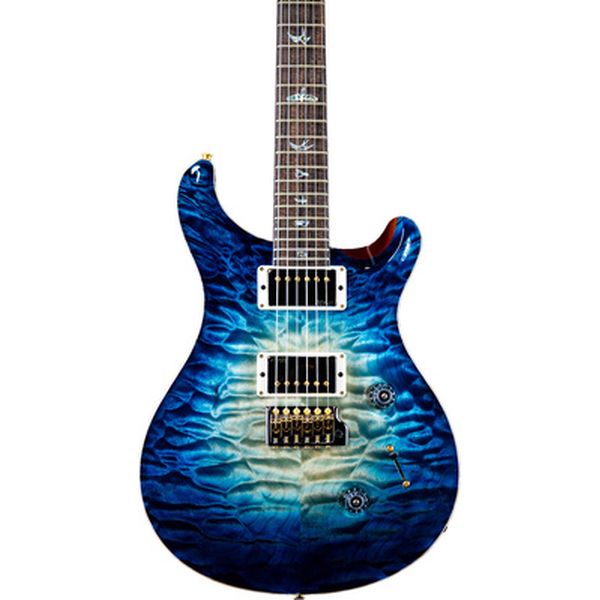
- PRS Cu24 PS Whale Blue Glow (598947): Custom 24 with exquisite cloud maple top in Whale Blue Glow finish
Who are PRS Private Stock guitars suitable for?
Collectors, studios, professional session musicians, and guitarists who want to have their personal, custom-built dream instrument.
Which famous guitarists play PRS guitars?
Famous PRS users span all musical styles, demonstrating once again that PRS guitars are extremely versatile:
- Carlos Santana: one of the first famous early adopters of PRS guitars
- John Mayer: co-developer of the Silver Sky model
- Mark Tremonti (Alter Bridge, Creed): signature series, popular rock models
- Myles Kennedy (Alter Bridge, Slash): single-cut signature model
- Mark Lettieri (Snarky Puppy, Fearless Flyers): four signature models in S-style
- Mark Holcomb (Periphery): signature models in the Core and SE series
- Alex Lifeson (Rush): plays many Core and Private Stock PRS guitars
- Zach Myers (Shinedown): SE single-cut signature model
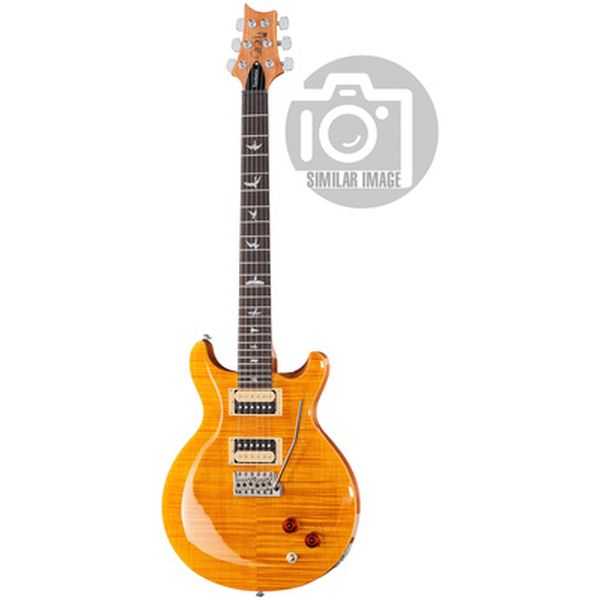
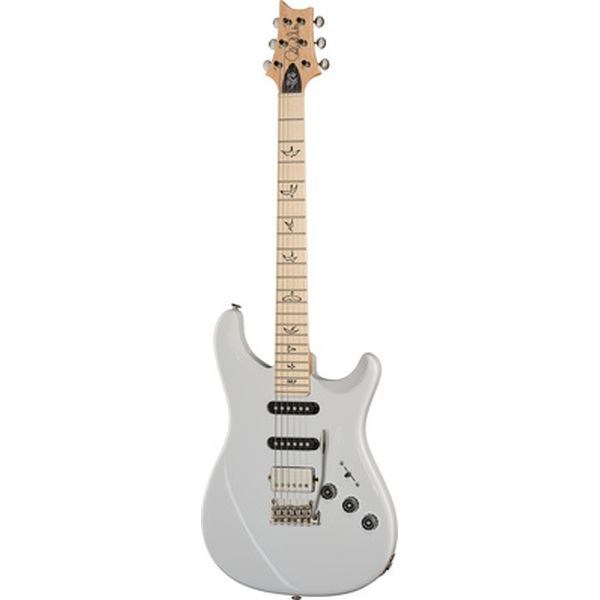
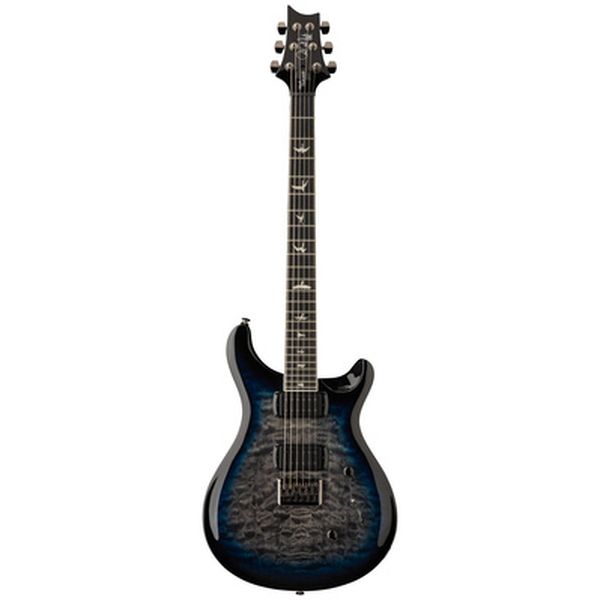
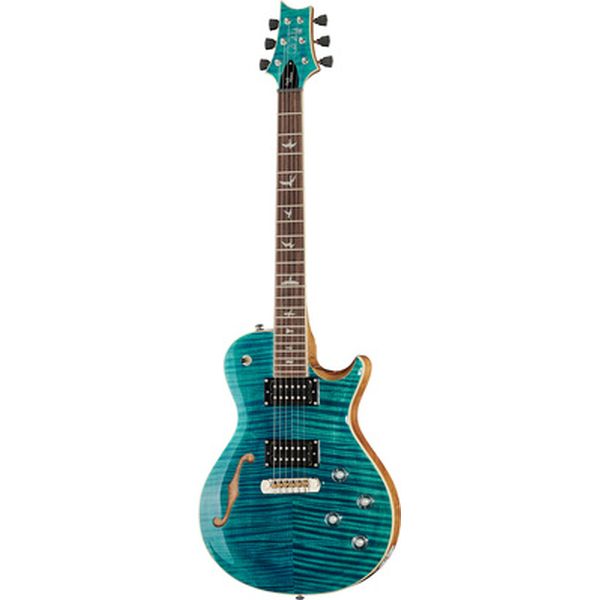
PRS guitars at thomann.de
Follow the link above to find all PRS models at Thomann. Happy browsing!
PRS Guitars Guide: Conclusion
Whether you’re just starting out, performing on stage, or a collector: PRS offers an excellent instrument for every playing style and price range – with clear quality characteristics and, of course, the typical PRS DNA. The brand combines artisanal precision with artistic design and creates guitars that inspire and perform equally well on stage and in the studio. If you’re looking for a new electric guitar, PRS should definitely be on your radar.
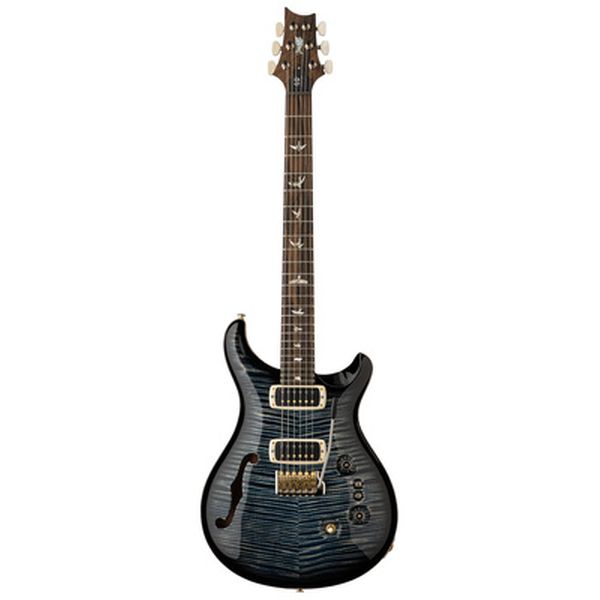
PRS
40th Custom 24-08 Semi Ltd WBS
If you would like to know more about Paul Reed Smith guitars or are interested in a specific model, you can contact our guitar experts by clicking the “Need help?” button on each product page. If you’d prefer to speak on the phone, click here, and we’ll be happy to call you back. And of course, we look forward to seeing you at our shop in Treppendorf, where you can try out many models for yourself.
PRS Guitars: Your Feedback
Do you already have experience with PRS guitars or perhaps even have a favourite model? Let us know in the comments!



Comments 0
No comments yet.